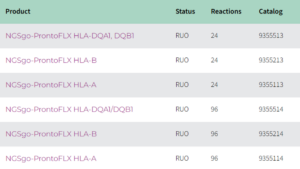
We are pleased to announce that NGSgo-ProntoFLX is now available in 24-reaction kits, in addition to the existing 96-reaction format.
Based on customer demand, the new 24-reaction kits give you greater flexibility when planning your HLA typing runs, particularly when processing smaller sample numbers.
The 24-reaction format is now available for: NGSgo-ProntoFLX HLA-A, NGSgo-ProntoFLX HLA-B, and NGSgo-ProntoFLX HLA-DQA1, DQB1 (duplex). And we are already working on expanding the NGSgo-ProntoFLX portfolio. NGSgo-ProntoFLX assays for HLA-C, HLA-DPA1/DPB1, and HLA-DRB1/3/4/5 are currently in development and will also be available soon.
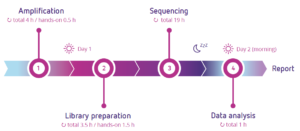
NGSgo-ProntoFLX provides rapid, flexible, and accurate single-locus HLA typing on Oxford Nanopore Technologies (ONT) sequencing devices, with sequencing taking just 1 minute per locus.
Choose the format that fits your workflow
Whether you are processing a smaller batch or running at higher throughput, you can now choose between 24- and 96-reaction kits to better match your laboratory needs.
Ordering information
Ready to place an order or learn more?
Contact our Sales team or reach out to your local GenDx distributor to bring NGSgo-ProntoFLX to your lab.
We are excited to announce that the GenDx Companion Diagnostics team will be in Boston for the 16th World Clinical Biomarkers & Companion Diagnostics Summit. We would be delighted to meet you at the conference, including at the expert breakfast briefing, “HLA as a Companion Diagnostic Biomarker: What Does it Take to Make it Work in a Clinical Trial?” Join us to connect with the GenDx team and discuss how HLA testing can support clinical trials and companion diagnostic development.
Event Details
Date: October 7, 2026 Time: 7:00 AM Location: The Westin Seaport, Marina Ballroom III, Boston, MA
Join us at the Expert Breakfast Briefing
GenDx is participating in the expert breakfast briefing titled: “HLA as a Companion Diagnostic Biomarker: What Does it Take to Make it Work in a Clinical Trial?”
The session will bring together experts from Versiti Clinical Trial Solutions, ARC Regulatory, and GenDx for a discussion of the considerations involved in incorporating HLA testing into clinical trials and companion diagnostic strategies.
The conversation will cover key aspects of HLA testing in clinical development, including:
Testing strategy
Patient identification
Trial implementation
Regulatory considerations
Scalable execution
Representing GenDx at the breakfast briefing will be:
Erica Kremer, Director Program Management & Compliance Jules Petit, Project Manager Companion Diagnostics
They will join experts from Versiti Clinical Trial Solutions and ARC Regulatory to discuss the practical realities of bringing HLA testing into clinical trial settings.
With HLA testing having been foundational in transplantation for years, the discussion will explore what is needed to translate this expertise into a scalable and effective component of drug development. After the discussion there will be audience Q&A and discussion.
Space is limited and breakfast will be provided.
More details about the 16th Annual CB & CDx summit can be found here.
Interested to find out more about our CDx services?
Follow the link below and learn how we can support your next breakthrough!
Fall is prime conference season, and this year it’s bringing us north of the border. From October 26–30, the GenDx team will be at the American Society for Histocompatibility and Immunogenetics (ASHI) 2026 Annual Meeting, held at the Palais des congrès de Montréal in Montréal, QC, Canada. Whether you’re a longtime NGSengine user, curious about our latest HLA and ABO solutions, or just want to talk about the future of histocompatibility testing, we’d love to see you there.
Here’s everything we have planned for the week:
Teaching Session – Monday, October 26
9:00 AM – 4:30 PM | Room №513 DEF
We’re kicking things off with a full-day teaching session covering:
New product updates for HLA & ABO
Live NGSengine 4.2 demonstration, and a guest-speaker user case study.
The session is free, and we welcome anyone who is looking to enhance their knowledge of HLA typing by NGS or nanopore sequencing.
Start your Wednesday with a walk or a run! Join us for the 5K Tulip Run during ASHI, and stop by the booth to pick up your T-shirt. It’s a great way to shake off conference fatigue and connect with fellow attendees before the sessions begin.
Scientific Poster Session – Wednesday, October 28
9:30 AM – 10:30 AM | Room №517 CD
Swing by our poster session to explore GenDx’s latest advancements in transplantation. Our team will be on hand to walk through the data and answer questions.
Lunch Symposium: From Sequencing to Success — Wednesday, October 28
1:40 PM – 2:35 PM | Room №517 A
Grab your lunch and join us for “From Sequencing to Success: GenDx user experiences & case studies.” We’re bringing real users to the stage to share how they’re using GenDx solutions in their day-to-day work — the wins, the lessons learned, and the results.
SAVE THE DATE: Something Big
Wednesday, October 28 · 8:30–11:30 PM
A special event, open to everyone — something we’ve never done before is coming! Details and your invitation coming soon. Stop by the booth during the week to stay in the loop.
Lunch Symposium: United by Innovation – Thursday, October 29
12:10 PM – 1:05 PM | Room №517 A
Closing out the week, our second lunch symposium, “United by Innovation: GenDx new developments & advances in ABO genotyping,” will spotlight highlight the latest developments across the GenDx portfolio and in ABO genotyping. The session will provide an overview of the current landscape and relevance of ABO genotyping in transplantation.
Find Us at Booth №201
Beyond the scheduled sessions, our team will be at Booth #201 throughout the meeting. Stop by to see live demos, pick up materials on our HLA and ABO solutions — including NGS-Pronto, NGS-Turbo, and our qPCR-based chimerism testing — and chat with our specialists about what your lab needs.
See you in Montréal! Whether it’s over coffee at the booth, mid-run at the Tulip Run, or during one of our sessions, we’re looking forward to reconnecting with the histocompatibility and immunogenetics community at ASHI 2026.
Not every patient responds equally well to immunotherapy
Immunotherapy is an important treatment option for several cancer types. Rather than targeting the tumor directly, many immunotherapies aim to strengthen, restore, or redirect anti-tumor immune responses. Interestingly, some patients experience long-lasting tumor control when treated with immunotherapy, while others show little benefit or eventually develop resistance after an initial response. These differences are especially well studied for immune checkpoint inhibitors (ICIs) [1], which will therefore be the focus of this blog post.
ICIs, such as anti-PD-1, anti-PD-L1, and anti-CTLA-4 antibodies, work by releasing inhibitory “brakes” on anti-tumor T cells, as exemplified in Figure 1. However, for cytotoxic CD8+ T cells to recognize and kill cancer cells, tumor-derived peptides first need to be presented on the cell surface by human leukocyte antigen (HLA) class I molecules, specifically HLA-A, HLA-B, and HLA-C. This makes HLA a key link between tumor genetics, immune recognition, and clinical response.
When tumor antigens are effectively presented by HLA molecules, ICIs may have a better chance of reinvigorating an effective anti-tumor response. Therefore, specific HLA types, as well as the overall diversity of a patient’s HLA genotype, may affect the peptide repertoire that can be presented and thereby influence the response to ICIs. In the rest of this blog post, we will investigate different examples of how HLA may be associated with response to ICI.
Figure 1. Example of immune checkpoint inhibitors (ICI: anti-PD-L1/anti-PD-1), illustrating how ICIs enable activation of the T cells and thereby killing of cancer cells. Figure based on [2].
Homozygosity in HLA class I may negatively affect response
For each classical HLA class I locus, patients inherit one allele from each parent. Patients who carry two different alleles at HLA-A, HLA-B, or HLA-C are heterozygous at that locus. Patients who are heterozygous across all three class I loci may be able to present a broader repertoire of tumor-derived peptides than patients who are homozygous at one or more loci. Consequently, greater HLA class I diversity may give the immune system more opportunities to recognize cancer cells. Although this association is not observed in all studies and even the opposite is observed in one study [3], several cohorts have reported poorer ICI therapy outcomes in cancer patients who are homozygous for at least one HLA class I locus [1].
For example, in a cohort of patients with advanced non-small cell lung cancer treated with three different single-agent PD-1/-PDL1 inhibitors, homozygosity at at least one HLA class I locus was associated with shorter overall survival (OS) [4]. OS is the time from treatment start until death from any cause. Additionally, homozygous patients in this study showed a shorter progression-free survival (PFS), which is defined as the time from treatment start to disease progression or death.
Another study investigated patients with advanced esophageal squamous cell carcinoma who were treated with camrelizumab (an anti-PD-1 antibody) [5]. In that cohort, patients with homozygosity at one or more HLA class I loci had a lower overall response rate (ORR) than patients who were heterozygous across HLA class I loci. ORR is defined as the percentage of patients whose tumor(s) shrink or disappear after treatment. PFS and OS were also shorter in homozygous patients.
High HLA evolutionary divergence as a beneficial factor
Heterozygosity is not the only factor that determines the diversity of HLA molecules in a patient. In a patient who is heterozygous for an HLA locus, the two alleles can either be very different or very similar. This (dis)similarity of the HLA alleles is described by the HLA evolutionary divergence (HED). HED measures how different the two alleles at a given HLA locus are, particularly in regions that shape peptide binding and thus peptide presentation to T cells. High HED is thought to broaden the range of tumor peptides that can be presented to T cells and has been associated with improved outcome of ICI treatment in several studies [1,6].
For example, higher HED was associated with longer OS in cohorts of patients with metastatic melanoma or non-small cell lung cancer treated with CTLA-4, PD-1, or PD-L1 inhibitors [6]. Another study investigated patients with advanced renal cell carcinoma treated with pembrolizumab, an anti-PD-1 ICI, plus lenvatinib, a multi-kinase inhibitor [7]. In this cohort, high HED was associated with longer PFS and a longer duration of response. Together, these studies illustrate the possible association between high HED and improved ICI outcomes.
Specific HLA alleles can influence response
Interestingly, not only HLA diversity, but also specific HLA alleles or supertypes have been associated with immunotherapy outcomes. Some alleles have been associated with poorer response, whereas others have been associated with more favorable outcomes in specific cohorts. The mechanisms behind these associations are not yet fully understood. Possible explanations include differences in peptide-binding repertoire, tumor antigen presentation, and other immune-related genetic factors.
For example, across several large cohorts of patients with advanced cancer treated with PD-1, PD-L1, or CTLA-4 inhibitors, HLA-A*03 was associated with poorer outcomes, including shorter OS and PFS, and lower ORR [8]. In contrast, a study of advanced esophageal squamous cell carcinoma patients associated the HLA-B27 supertype [9] with more favorable outcomes [5]. In patients treated with camrelizumab, the HLA-B27 supertype was associated a longer OS.
Figure 2. Examples of beneficial (green arrows) and disadvantageous (red arrows) associations between HLA alleles and treatment of tumors with ICI that were found at least once for specific tumors and treatments. Summarized from [1], in which a more extensive and detailed overview is presented.
HLA testing may support precision immunotherapy
The examples described in this blog post illustrate why HLA genotyping may be relevant in immunotherapy studies, particularly when analyzing differences in ICI response between patients. Figure 2 shows several of the reported associations between HLA genotype and ICI outcomes and is more extensively reviewed in [1]. Importantly, this review also highlights that these associations are not observed consistently across all studies and may depend on tumor type, treatment regimen, disease stage, and other clinical or molecular factors. At the moment, the associations between HLA and ICI responses are promising, but they are not yet strong enough to guide treatment decisions on their own.
Further research in this field may clarify when HLA genotype adds clinically useful information beyond biomarkers such as PD-L1 expression, tumor mutational burden, or HLA-I expression. Clarity on this topic may add another layer of information when assessing whether a patient’s immune system is likely to recognize and respond to cancer cells during ICI treatment. In the future, combining germline HLA typing with tumor HLA expression, HLA loss status, antigen-processing markers, and established biomarkers may help improve prediction of ICI responses.
The biological causes of these differences in treatment response remain incompletely understood. One possible explanation is tumor HLA loss. If a tumor loses expression of specific HLA molecules, its ability to present tumor antigens may be reduced. This loss may be especially consequential in patients whose inherited HLA class I is already limited. In the next blog post in this series, we will dive deeper into tumor HLA loss and its clinical relevance.
Authors:
Cindy Spruit – Technical Writer
Cindy holds a PhD in molecular biology. She currently works on both Companion Diagnostic and Research & Development projects in her role as a Technical Writer at GenDx. She is responsible for coordinating and writing documents that are required for, among others, performance studies and regulatory submissions.
Dirk Geerts – Senior Project Manager R&D Oncology
Dirk has a PhD in molecular genetics. He coordinates several oncology projects ranging from early diagnostic development to marketed diagnostics.
References:
[1] de Joode, K., Heersche, N., Basak, E. A., Bins, S., van der Veldt, A. A., van Schaik, R. H., & Mathijssen, R. H. (2024). Review–The impact of pharmacogenetics on the outcome of immune checkpoint inhibitors. Cancer Treatment Reviews, 122, 102662.
[3] Correale, P., Saladino, R. E., Giannarelli, D., Giannicola, R., Agostino, R., Staropoli, N., … & Tagliaferri, P. (2020). Distinctive germline expression of class I human leukocyte antigen (HLA) alleles and DRB1 heterozygosis predict the outcome of patients with non-small cell lung cancer receiving PD-1/PD-L1 immune checkpoint blockade. Journal for Immunotherapy of Cancer, 8(1), e000733.
[4] Abed, A., Calapre, L., Lo, J., Correia, S., Bowyer, S., Chopra, A., … & Gray, E. S. (2020). Prognostic value of HLA-I homozygosity in patients with non-small cell lung cancer treated with single agent immunotherapy. Journal for ImmunoTherapy of Cancer, 8(2), e001620.
[5] Wang, L., Zhu, Y., Zhang, B., Wang, X., Mo, H., Jiao, Y., … & Huang, J. (2022). Prognostic and predictive impact of neutrophil‐to‐lymphocyte ratio and HLA‐I genotyping in advanced esophageal squamous cell carcinoma patients receiving immune checkpoint inhibitor monotherapy. Thoracic Cancer, 13(11), 1631-1641.
[6] Chowell, D., Krishna, C., Pierini, F., Makarov, V., Rizvi, N. A., Kuo, F., … & Chan, T. A. (2019). Evolutionary divergence of HLA class I genotype impacts efficacy of cancer immunotherapy. Nature medicine, 25(11), 1715-1720.
[7] Lee, C. H., DiNatale, R. G., Chowell, D., Krishna, C., Makarov, V., Valero, C., … & Chan, T. A. (2021). High response rate and durability driven by HLA genetic diversity in kidney cancer patients treated with the immunotherapy combination lenvatinib and pembrolizumab. Molecular cancer research: MCR, 19(9), 1510.
[8] Naranbhai, V., Viard, M., Dean, M., Groha, S., Braun, D. A., Labaki, C., … & Carrington, M. (2022). HLA-A*03 and response to immune checkpoint blockade in cancer: an epidemiological biomarker study. The Lancet Oncology, 23(1), 172-184.
[9] Sidney, J., Peters, B., Frahm, N., Brander, C., & Sette, A. (2008). HLA class I supertypes: a revised and updated classification. BMC immunology 9(1), 1.
July 1, 2026 marks an exciting milestone for GenDx, our customers, and the global transplant community. Following Eurobio Scientific’s acquisition of the CareDx Lab Products, the CareDx Lab Products portfolio is now officially becoming part of GenDx. By integrating these highly complementary product portfolios, we are creating one of the most comprehensive offerings in molecular transplant diagnostics.
This is more than an acquisition. It is a strategic step that strengthens our ability to support transplant laboratories with innovative solutions across the entire transplantation workflow, from pre-transplant HLA typing to post-transplant monitoring.
A broader portfolio, designed around your laboratory
By combining CareDx’s trusted HLA typing technologies with GenDx’s leading next-generation sequencing (NGS) assays, software, and analysis solutions, laboratories now have access to a more complete portfolio from a single partner.
Together, our portfolio now includes:
HLA typing solutions based on NGS and real-time PCR
High-resolution HLA sequencing assays
Analysis software and workflow solutions
Products supporting transplantation monitoring
Education, training, and scientific support
Whether your laboratory performs routine HLA typing, high-resolution sequencing, or advanced transplantation diagnostics, our expanded portfolio offers greater flexibility to meet your evolving needs.
Stronger together
By bringing together the strengths of GenDx and CareDx Lab Products, we are strengthening our ability to support transplant laboratories worldwide. With an expanded commercial presence across Europe, the United States, and Asia-Pacific, customers will benefit from faster access to products, enhanced local sales and technical support, and a consistent, high-quality customer experience. At the same time, the combination of our complementary expertise in high-resolution HLA typing, hybrid capture technologies, transplantation monitoring, and software development will accelerate innovation and expand our portfolio of molecular diagnostic solutions. Together with strengthened manufacturing and supply chain capabilities, this enables us to improve product availability and delivery reliability while continuing to provide the scientific expertise, responsive support, and reliable solutions that laboratories need to deliver the best possible outcomes for transplant patients.
Business continues as usual
For existing GenDx and CareDx Lab Products customers, business will continue as usual. There will be no disruption to products, services, customer support, or ongoing activities. Over the coming period, CareDx Lab Products will be fully integrated into the GenDx brand, while maintaining the quality, expertise, and customer focus you know and trust. The existing sales and support contacts will remain available throughout this transition.
Looking ahead
This milestone represents an important step in GenDx’s mission to advance molecular transplant diagnostics through innovation, scientific excellence, and close collaboration with laboratories around the world.
We are excited about the opportunities this brings—not only for our organization, but more importantly for the transplant community we serve.
Together, we look forward to continuing to support laboratories with comprehensive solutions that help improve the quality of life and survival of transplant patients.
Welcome to this new chapter. Together, we are shaping the future of transplant diagnostics.
As introduced in the previous blog post in this series, HLA molecules are central to the presentation of tumor antigens and anti-tumor immune recognition. Building on our previous discussion of classical and non-classical HLA molecules in healthy tissues, we now explore how tumors manipulate HLA pathways to evade immune detection and destruction. These adaptations range from loss of HLA gene expression to active exploitation of HLA-mediated immune regulatory mechanisms within the tumor microenvironment. In this blog post, we dive deeper into some of the major ways cancers leverage HLA biology to stay one step ahead of the immune system.
Expression modulation of HLA Class I and associated genes in cancer cells
Downregulation of HLA Class I expression is one of the most common mechanisms of tumor immune escape and has direct clinical consequences. When cancer cells reduce surface expression of HLA Class I proteins, via gene deletion, loss-of-function mutations, defects in antigen processing, or epigenetic silencing, they become less visible to cytotoxic CD8+ T cells. This may help explain why some patients fail to respond to, or relapse after, immunotherapies such as PD-1/PD-L1 checkpoint inhibitors [1].
Paradoxically, this same HLA Class I expression loss can increase susceptibility to natural killer (NK) cell-mediated killing. NK cells express killer cell immunoglobulin-like receptors (KIRs), a diverse family of activating and inhibitory receptors whose interaction with functional HLA molecules ensures that NK cells do not attack healthy cells (“self-tolerance”). When cancer cells downregulate HLA Class I expression, this inhibitory signal can be lost, promoting NK cell activation. This process is called “missing-self recognition”. This biology has inspired the development of NK-cell-based therapies, including CAR-NK approaches and NK-cell engagers designed to exploit HLA Class I-low tumors [2]. Numerous NK-cell-based therapies are currently being evaluated clinically, including non-engineered NK cells, CAR-NK therapies, and combination approaches [3].
Beyond HLA Class I expression loss, tumor cells exposed to DNA damage, hypoxia, or oncogenic signaling can upregulate stress-induced ligands, including MICA and MICB. These ligands activate the NKG2D receptor on NK cells and cytotoxic T cell subsets, providing a parallel immune-surveillance pathway. However, tumors can also actively downregulate or shed these ligands as an escape mechanism [4]. Consequently, therapeutic strategies aimed at restoring or enhancing MICA/B-mediated recognition, including monoclonal antibodies [5] and engineered cell therapies [6, 7], are currently under clinical investigation.
Together, these observations illustrate how alterations in HLA Class I expression can simultaneously facilitate escape from T-cell immunity and increase vulnerability to NK-cell-mediated recognition, creating both challenges and opportunities for cancer immunotherapy.
Non-classical HLA-mediated regulation in the tumor microenvironment
Beyond expression down- and upregulation of HLA Class I and HLA-associated genes, tumors employ an additional layer of immune evasion: actively recruiting and reprogramming immune cells present in the tumor microenvironment to suppress immune responses rather than attack the tumor cells. Several non-classical HLA molecules are key mediators of this immunosuppressive crosstalk.
In a striking convergence of immune tolerance and tumor immune escape, HLA-E is overexpressed in several cancer types, including colorectal, gastric, and lung cancer. HLA-E protein binds to inhibitory receptor NKG2A, which is expressed on NK cells and tumor-infiltrating CD8+ T cells. As such, HLA-E overexpression can function as an immune checkpoint, dampening anti-tumor cytotoxicity (see Figure below). Consequently, the HLA-E/NKG2A axis has emerged as an attractive therapeutic target. Monalizumab, an antibody targeting NKG2A and designed to block HLA-E-mediated inhibitory signaling, is currently being evaluated in Phase 3 trials. [8].
Similarly, HLA-G is aberrantly expressed across multiple cancer types. Through engagement of inhibitory receptors, including LILRB1 and LILRB2, and in some contexts KIR2DL4, HLA-G suppresses NK cell cytotoxicity and impairs anti-tumor immune responses. This mechanism has been implicated in resistance to trastuzumab, an antibody targeting HER2, in HER2-positive breast cancer. HLA-G is increasingly regarded as a novel immune checkpoint and a candidate therapeutic target [9].
How HLA molecules interact with immune cells in the tumor microenvironment
The role of regulatory immune agents in the tumor microenvironment
Beyond directly suppressing cytotoxic lymphocytes, HLA-mediated immune evasion also extends to the myeloid compartment. HLA-G protein on the surface of cancer cells can engage the inhibitory receptors LILRB1 and LILRB2 on macrophages, promoting their differentiation into immunosuppressive tumor-associated macrophages (TAMs). The resulting TAMs produce anti-inflammatory cytokines such as IL-10 and TGF-β, suppress T-cell activation, and support tumor progression, thereby establishing a self-reinforcing immune-evasive niche. HLA Class I proteins on the surface of cancer cells also bind to LILRB1 on TAMs, inhibiting macrophage activation and phagocytic function. This HLA Class I–LILRB1 axis is now being explored as a therapeutic target, with LILRB1-blocking antibodies in pre-clinical and early clinical development. [10]. In marked contrast, HLA class II expression has been associated with reduced TAM tumor infiltration and improved clinical outcome in oropharyngeal cancer, suggesting that HLA class II-mediated immune activation may counteract myeloid-driven immune suppression [11]. Given their role in promoting tumor growth, angiogenesis, immunosuppression, and metastasis, TAMs represent an attractive therapeutic target.
Regulatory T cells (Tregs), a specialized T helper CD4+ cell subset, are a further critical immunosuppressive component of the tumor microenvironment with direct clinical relevance. Tregs accumulate in the tumor environment, where they suppress the immune activity of cytotoxic and helper T cells through inhibitory cytokines like IL-10 and TGF-β, blockade of co-stimulatory signals, and contact-dependent killing. Elevated intratumoral Treg density has repeatedly been associated with poor prognosis, including reduced overall survival, across multiple cancer types [12]. Several studies have linked tumor-associated HLA-G expression to increased Treg infiltration and adverse clinical outcomes [13]. In addition, high Treg infiltration has been associated with resistance to immune checkpoint inhibitors, making Treg quantification a potentially valuable clinical biomarker. Selective Treg-depletion strategies that target intratumoral Tregs without disrupting peripheral regulatory homeostasis are under active investigation [14]. The ability of tumors to exploit HLA-mediated pathways to recruit Tregs illustrates how immune tolerance mechanisms are co-opted to support tumor progression.
HLA genes are more than biomarkers of antigen recognition and immune activation
Taken together, these examples illustrate that HLA biology extends far beyond antigen presentation. Through modulation of classical and non-classical HLA expression, tumors can simultaneously evade cytotoxic immune recognition, suppress NK cell activity, reshape myeloid populations, and promote regulatory T cell responses. As our understanding of HLA biology continues to expand, HLA genes are increasingly emerging as more than biomarkers of immune recognition. From predicting immunotherapy response to identifying new therapeutic vulnerabilities, HLA-related pathways are becoming central to the next generation of precision immuno-oncology.
Stay tuned for the next blog in this series, where we will explore how HLA gene expression may predict which patients are most likely to benefit from treatment.
Authors:
Jules Petit – Project manager CDx
Jules holds a PhD in Molecular Immunology. After obtaining his PhD, Jules worked in different positions, both in an academic and in a pharmacological industry setting, before starting at GenDx. At GenDx, he manages the different Companion Diagnostics programs and supports the scientific, strategic, and regulatory integration of these projects.
Valentina Manzini – Project Coordinator CDx
Valentina holds a PhD in Molecular Biology, with a background in tumor biology. She is currently working at GenDx, supporting the Companion Diagnostics team by ensuring projects run smoothly, performing regulatory submissions, and coordinating IVD activities of clinical trials involving both drugs and CDx.
References:
[1] Lee, J. H., Shklovskaya, E., Lim, S. Y., Carlino, M. S., Menzies, A. M., Stewart, A., … Rizos, H. (2020). Transcriptional downregulation of MHC class I and melanoma de- differentiation in resistance to PD-1 inhibition. Nature Communications, 11(1). https://doi.org/10.1038/s41467-020-15726-7
[2] Zhang, M., Lam, K.-P., & Xu, S. (2023). Natural Killer Cell Engagers (NKCEs): a new frontier in cancer immunotherapy. Frontiers in Immunology, 14. https://doi.org/10.3389/fimmu.2023.1207276
[3] Lamers-Kok, N., Panella, D., Georgoudaki, A.-M., Liu, H., Özkazanc, D., Kučerová, L., … Raimo, M. (2022). Natural killer cells in clinical development as non-engineered, engineered, and combination therapies. Journal of Hematology & Oncology, 15(1). https://doi.org/10.1186/s13045-022-01382-5
[4] Xing, S., & Ferrari de Andrade, L. (2020). NKG2D and MICA/B shedding: a ‘tag game’ between NK cells and malignant cells. Clinical & Translational Immunology, 9(12). https://doi.org/10.1002/cti2.1230
[5] Melero Bermejo, I., Wang, J. S., Gutierrez, M., Hamilton, E. P., Spira, A. I., Rasco, D. W., … Moreno, V. (2024). Cln-619 (anti-MICA/B antibody) alone and in combination with pembrolizumab (P) for advanced solid tumors: Updated results of a Ph1 study. Journal of Clinical Oncology, 42(16_suppl), 2588–2588. https://doi.org/10.1200/jco.2024.42.16_suppl.2588
[6] Patel, M. R., Dumbrava, E. E., Lenz, H.-J., Omilusik, K. D., Ibitokou, S., Bickers, C., … Micaily, I. (2026). Preliminary phase 1 results of a MICA/B-targeted CAR T cell designed to overcome solid tumor escape mechanisms and avoid the requirement for conditioning chemotherapy. Journal of Clinical Oncology, 44(16_suppl), 2560–2560. https://doi.org/10.1200/jco.2026.44.16_suppl.2560
[7] Pollyea, D., Kerre, T., Deeren, D., Beguin, Y., Lin, T. L., Sallman, D. A., … Lonez, C. (2025). Downregulation of MICA/MICB improves cell persistence and clinical activity of NKG2DL CAR T-cells in patients with relapsed or refractory acute myeloid leukemia or myelodysplastic neoplasia. Leukemia, 39(12), 2907–2915. https://doi.org/10.1038/s41375-025-02767-4
[8] Borst, L., van der Burg, S. H., & van Hall, T. (2020). The NKG2A–HLA-E Axis as a Novel Checkpoint in the Tumor Microenvironment. Clinical Cancer Research, 26(21), 5549–5556. https://doi.org/10.1158/1078-0432.ccr-19-2095
[9] Carosella, E. D., Gregori, S., & Tronik-Le Roux, D. (2021). HLA-G/LILRBs: A Cancer Immunotherapy Challenge. Trends in Cancer, 7(5), 389–392. https://doi.org/10.1016/j.trecan.2021.01.004
[10] Barkal, A. A., Weiskopf, K., Kao, K. S., Gordon, S. R., Rosental, B., Yiu, Y. Y., … Maute, R. L. (2017). Engagement of MHC class I by the inhibitory receptor LILRB1 suppresses macrophages and is a target of cancer immunotherapy. Nature Immunology, 19(1), 76–84. https://doi.org/10.1038/s41590-017-0004-z
[11] Cioni, B., Jordanova, E. S., Hooijberg, E., van der Linden, R., de Menezes, R. X., Tan, K., … de Boer, J. P. (2018). HLA class II expression on tumor cells and low numbers of tumor‐associated macrophages predict clinical outcome in oropharyngeal cancer. Head & Neck, 41(2), 463–478. https://doi.org/10.1002/hed.25442
[12] Togashi, Y., Shitara, K., & Nishikawa, H. (2019). Regulatory T cells in cancer immunosuppression — implications for anticancer therapy. Nature Reviews Clinical Oncology, 16(6), 356–371. https://doi.org/10.1038/s41571-019-0175-7
[13] Du, L., Xiao, X., Wang, C., Zhang, X., Zheng, N., Wang, L., … Dong, Z. (2011). Human leukocyte antigen‐G is closely associated with tumor immune escape in gastric cancer by increasing local regulatory T cells. Cancer Science, 102(7), 1272–1280. https://doi.org/10.1111/j.1349-7006.2011.01951.x
[14] Shang, B., Liu, Y., Jiang, S., & Liu, Y. (2015). Prognostic value of tumor-infiltrating FoxP3+ regulatory T cells in cancers: a systematic review and meta-analysis. Scientific Reports, 5(1). https://doi.org/10.1038/srep15179
At GenDx, we recognize the importance of contributing to a more sustainable future — both within healthcare and across our own operations.
Today, we are proud to share our first public Sustainability Report, which relates to 2025.
The report gives an overview of the sustainability initiatives and practices currently in place across GenDx, covering areas such as environmental impact, employee wellbeing, waste reduction, operational efficiency, and governance.
Some examples highlighted in the report include:
Promoting low-carbon commuting, with 87% of office-based employees commuting by bicycle, walking, or public transport
Recycling laboratory gloves through the RightCycle program
Returning Oxford Nanopore flow cells for recycling
Reducing packaging materials and increasing reuse initiatives
Supporting employee wellbeing through programs such as OpenUp and Olympos sports memberships
This report is an important first step towards a more structured and data-driven approach to sustainability reporting at GenDx. While it is not yet a comprehensive carbon footprint or materiality assessment, we believe it is important to start sharing our progress and building transparency around our efforts.
As part of this journey, GenDx is also working with Greenly to better understand and measure our environmental footprint and support future reporting efforts.
We know there is still work to do, but we are committed to continuing to improve and further integrate sustainability into our operations and decision-making.
We are thrilled to announce that the GenDx Academy has officially launched!
The GenDx Academy is our dedicated online hla learning platform built exclusively for GenDx customers. Now available at academy.gendx.com, it offers comprehensive HLA typing training & more for all experience levels, from laboratory workflows to real-world case studies. In other words, the hla learning platform is designed with your educational needs in mind.
What you can access today
From day one, our HLA learning platform gives you access to:
How to request access
You can request access via the login page or at https://academy.gendx.com/request-account. Once approved, you will receive a confirmation email with everything you need to log in and get started with our HLA learning platform.
If you have any questions about the access process, do not hesitate to reach out to us at education@gendx.com. Our team is happy to help.
We look forward to supporting your learning journey. If you have any other questions, feel free to contact us at education@gendx.com.
HLA plays an important role in the immune system and is more and more leveraged in HLA-restricted precision medicine therapies, as shown by the increasing number of HLA-restricted therapies in the clinic (check our blog post “The role of HLA in immunotherapy development”). Understanding the different and sometimes contrasting roles of HLA in healthy tissue and during tumor progression is important to further comprehend how HLA may be leveraged in therapy development strategies. Novel therapies may, for example, exploit HLA diversity and expression patterns to specifically target cancer cells or be developed to bind emerging targets. Additionally, HLA typing of patients may be used to determine which patients are eligible for HLA-restricted therapies. Finally, patients’ HLA genotype may explain why some patients fail to respond to immune checkpoint inhibitors.
We are launching a new blog post series to further explore the role of HLA in the tumor microenvironment. Throughout this series, we will first introduce several key players of the HLA system in their healthy physiological context and their role in the tumor microenvironment. We will then dive into how cancer may modulate the HLA system to evade immune detection. Finally, we will explore the implications for immunotherapy, including how HLA status and genetic variation may serve as predictors of therapeutic response.
Stay tuned for the upcoming posts in this series!
Role of HLA under healthy conditions
HLA molecules involved in immune activation are broadly divided into two classes depending on their roles in antigen presentation. Under normal physiological conditions, HLA Class I molecules (HLA-A, -B, and -C) act as a surveillance display system on the surface of virtually all nucleated cells, continuously presenting peptide fragments (antigens) derived from intracellular protein turnover.
These peptides are generated by proteasomal degradation of cytosolic proteins and transported into the endoplasmic reticulum (ER), where they are loaded onto HLA Class I molecules (see figure below). Specific adaptive immune cells (CD8+ cytotoxic T cells) respond to peptides that are presented by HLA Class I molecules through their T-cell receptors (TCR). In this way, under healthy conditions, self-peptides (when expressed at normal levels) are generally ignored due to immune tolerance mechanisms. The same mechanism triggers T cell activation and targeted cell killing when non-self peptides are recognized, derived for example, from intracellular pathogens, aberrantly expressed or mutated cancer proteins [1].
On the other hand, HLA Class II molecules (including HLA-DP, -DQ, and -DR molecules) are primarily expressed on Antigen Presenting Cells (APCs), such as dendritic cells, macrophages, and B cells. APCs are capable of internalizing foreign particles or cellular debris, processing it and presenting the resulting antigens on HLA Class II molecules (see figure below). These antigens presented by HLA Class II may then be recognized by the TCR on a CD4+ T cell, which (together with co-stimulatory signals) initiates an immune response. APCs drive CD4+ helper T cell responses, which are critical in modulating the magnitude and durability of cytotoxic responses through cytokine secretion. These helper T cells support B cell antibody production, and may influence the efficacy of cancer immunotherapies. Internalized proteins are degraded in endosomal/lysosomal compartments, where peptides are loaded onto HLA Class II molecules (see figure below). CD4+ T cells are important immunomodulators that aid the activity of other immune cells by releasing cytokines [2].
A clinically relevant subset of non-classical HLA Class I molecules, particularly HLA-E and HLA-G, has been described to have inhibitory effects on immune responses. HLA-E interacts with both activating and inhibitory receptors on Natural Killer (NK) cells, helping to fine-tune immune activity. HLA-G, on the other hand, is best known for its role during pregnancy, where it contributes to immune tolerance in the maternal-foetal interface. While HLA-E is expressed at low levels in most tissues, HLA-G expression is more restricted, primarily to placental trophoblasts present during pregnancy. Critically, both molecules are aberrantly overexpressed in various cancers, where they serve as immune checkpoints that help tumors evade destruction — a mechanism with direct therapeutic implications that will be discussed in the upcoming blog post in this series [3, 4].
Figure: HLA-I and HLA-II antigen presentation pathways
Role of HLA in the tumor microenvironment
HLA molecules are central to shaping the immune landscape within the tumor microenvironment. Tumors can exploit multiple layers of HLA biology to evade immune detection, with direct implications for therapeutic response. Loss or downregulation of HLA Class I is an established mechanism of primary and acquired resistance to T cell-directed immunotherapies, including PD-1/PD-L1 checkpoint inhibitors. When antigen presentation via HLA Class I is reduced, CD8+ T cell recognition of cancer cells is severely impaired, limiting the effectiveness of checkpoint blockades. This underscores why the assessment of HLA Class I expression in tumor biopsies may become increasingly relevant in precision oncology [5].
Beyond resistance mechanisms, HLA biology within the tumor microenvironment is a key determinant of immunotherapy efficacy. Firstly, the HLA genotype is emerging as a predictor of immunotherapy response, though this remains an evolving area of research. Secondly, HLA-restricted therapies are explicitly designed to exploit specific HLA alleles to drive targeted immune killing of tumor cells. However, tumor-driven HLA alterations (including HLA Class I downregulation and overexpression of non-classical molecules like HLA-E and HLA-G) may limit the efficacy of these strategies [3]. Understanding this interplay of HLA molecules between therapeutic design and tumor immune escape will be essential as HLA-restricted therapies move through clinical development.
In the upcoming blog post, we will further explore how tumors evade the immune system by impairing HLA molecules. To stay informed about future posts in this series, check our website regularly for upcoming updates and new articles.
Authors:
Stephanie Ahrendt – Global Medical Scientific Liaison Manager
Stephanie has a strong background in molecular biology and genetics, and has extensive experience across oncology, endocrinology, and nuclear medicine. In her current role at Eurobio Scientific, she is dedicated to advancing innovative therapies and fostering collaboration between science and clinical practice.
Valentina Manzini – Project Coordinator CDx
Valentina holds a PhD in Molecular Biology, with a background in tumor biology. She is currently working at GenDx, supporting the Companion Diagnostics team by ensuring projects run smoothly, performing regulatory submissions and coordinating IVD activities of clinical trials involving both drugs and CDx.
References:
[1] Abbas, A. K., Lichtman, A. H., & Pillai, S. (2021). Cellular and molecular immunology (10th ed.). Elsevier.
[2] Zhu, X., & Zhu, J. (2020). CD4 T helper cell subsets and related human immunological disorders. International Journal of Molecular Sciences, 21(21), 8011.
[3] Benitez Fuentes, J. D., Bartolome Arcilla, J., Mohamed Mohamed, K., Lopez de Sa, A., de Luna Aguilar, A., Guevara-Hoyer, K., … & Sánchez-Ramon, S. (2024). Targeting of non-classical human leukocyte antigens as novel therapeutic strategies in cancer. Cancers, 16(2), 421.
[4] Fisher, J. G., Doyle, A. D. P., Graham, L. V., Khakoo, S. I., & Blunt, M. D. (2022). Disruption of the NKG2A:HLA-E immune checkpoint axis to enhance NK cell activation against cancer. Clinical & Experimental Immunology, 209(2), 107–116.
[5] McGranahan, N., Rosenthal, R., Hiley, C. T., Rowan, A. J., Watkins, T. B. K., Wilson, G. A., … & Swanton, C. (2017). Allele-specific HLA loss and immune escape in lung cancer evolution. Cell, 171(6), 1259–1271.e11.
After allogeneic hematopoietic stem cell transplantation (allo-HSCT), monitoring for relapse remains essential in guiding patient management and therapeutic decisions. One immune escape mechanism that has gained increasing attention is HLA loss relapse. HLA loss occurs when leukemic cells lose the mismatched HLA genes or complete haplotypes that were originally recognized by donor T cells. As a result, these malignant cells can evade the graft-versus-leukemia (GvL) effect and escape immune surveillance.
Why detecting HLA loss matters
Distinguishing between classical relapse and relapse with HLA loss is clinically important because the therapeutic strategies may differ significantly. In classical relapse, leukemic cells still express the mismatched HLA molecules, meaning donor lymphocyte infusion (DLI) or adjustment of immunosuppression may remain effective treatment options. In contrast, relapse with HLA loss may require alternative approaches, such as a second transplantation from a different donor, since the leukemic cells are no longer recognized by the original donor immune system. Accurate detection of HLA loss can therefore support more informed clinical decision-making and improve post-transplant monitoring strategies.
Advancements in molecular detection methods
GenDx has previously introduced a suite of qPCR assays targeting individual HLA markers. While effective, these approaches may be limited in multiplexing capabilities and informativity. Next-generation sequencing (NGS)-based approaches offer new opportunities for more comprehensive analysis. By combining chimerism monitoring with targeted HLA-region analysis, laboratories may benefit from:
High marker informativity
Multiplexed analysis in a single assay
Integration with existing NGS workflows
Streamlined data analysis
Sensitive post-transplant monitoring
At GenDx, we are currently developing an NGS-based solution designed to support the detection of HLA loss alongside chimerism analysis. The assay is currently available as prototype.
In development: NGStrack HLA loss*
Our upcoming solution, NGStrack HLA loss, is being developed as an add-on assay for the NGStrack workflow. The prototype assay uses multiplexed STR markers located in the chromosome 6p21 HLA region to help detect the presence or loss of HLA genes in post-transplant samples.
The assay is intended to integrate with existing laboratory workflows and analysis through TRKengine software.
*NGStrack HLA loss is a prototype assay currently under development by GenDx. The product is not available for commercial use and is not intended for use in diagnostic procedures.
The 39th annual European Federation for Immunogenetics Conference 2026 brought together researchers, clinicians, and industry experts from around the world in Edinburgh to discuss the latest advances in immunogenetics and histocompatibility. Centered around this year’s theme, “From Genes to Grafts: Where Innovation Meets Medicine,” the conference highlighted the rapid pace of innovation shaping the field.
Our colleague Cynthia Kramer, PhD, Scientist at GenDx, attended the conference and shares her key scientific highlights below.
The 39th EFI conference was held in Edinburgh Scotland, and the organizers welcomed the participants from around the world with the famous bagpipe sounds of Scotland. The theme of this year was “From Genes to Grafts: Where Innovation Meets Medicine” and overall, the meeting highlighted the importance of interaction among all fields within immunogenetics and histocompatibility.
One of the main topics was the new opportunities of hematopoietic stem cell transplantation due to post-transplant cyclophosphamide (Pt-Cy) era. These new opportunities compared to old dogmas were set out clearly by Katharina Flieschhauer. Pt-Cy has reduced GvHD incidence across all donor types and less differences in outcomes are observed between match unrelated donors (MUD), mismatch unrelated donors (MMUD), and Haplo-identical donors. As a result, the experts indicated that it would be relevant to look beyond the HLA for donor selection and start considering other factors such as donor age. Interestingly, Bronwen Shaw proposed that “for donor selection go for unrelated and family simultaneously” while Rob Wynn emphasized the importance of cord blood as donor source by “Don’t cut the Cord”.
Looking beyond HLA was a theme that repeatedly surfaced throughout the EFI scientific program. As researchers increasingly explore all aspects of the immune system and indicating how complex the immune system is and how it affects clinical outcomes after transplantation. This was evident from the number of talks delving into the immunopeptidome, T-cell receptor sequencing, killer cell immunoglobulin-like receptors (KIR), and related topics, across both basic research and clinical contexts. This further underscore the close interplay between immune system and clinical outcomes, and the importance of close collaboration between researchers and clinicians.
However, HLA remains a key player, as reflected in the many presentations on HLA loss in various clinical scenarios. Additionally, for those that are interested in investigating HLA genomic and transcriptomic disruption, Nicholas McGranahan presented a tool to detect HLA disruption named MHC Hammer and this tool has been made available (https://github.com/McGranahanLab/mhc-hammer).
In addition to immunogenetics, the program highlighted a wide range of cell-focused topics, spanning immune cell contribution to clinical outcome, cell therapy, and monitoring strategies. Wolfram-Hubertus Zimmerman gave a fascinating talk on how iPSCs are used to engineer heart muscles for heart-failure patients who have lost muscle function. On the other hand, several talks focused on engineered T-cells, such as CD19-T cells, CHAR T-cells, and CHER-T cells that can be used for therapy either in transplantation or autoimmune disease setting. Lastly, Carla Baan and her group identified donor-derived extracellular vesicles in recipient circulation as biomarker for rejection post-kidney transplantation. While further research was still required she noted that “These efforts may clarify the role of extracellular vesicles not only as biomarkers but also as modulators of kidney transplantation rejection”.
Altogether, the EFI scientific program highlighted the broad scope of immunogenetics and histocompatibility and emphasized how essential close collaborations are in advancing the field.
September 30 – October 2, 2026 | Utrecht, Netherlands
Are you ready to master the complexities of HLA typing? We are thrilled to announce our upcoming hands-on training course on HLA typing with Illumina sequencing! Whether you are looking to refine your lab techniques or dive deep into complex data interpretation, this intensive three-day program at the GenDx Headquarters provides the perfect environment to elevate your expertise.
A few words from our Global Education Manager, Veerle van Meervelt, regarding what makes this program unique and how it supports the global HLA community:
“Our goal is for participants to become experts in HLA typing by providing everything from lab fundamentals to advanced data analysis, all while keeping the ultimate benefit to the patient in mind. We believe that well-trained customers lead to better outcomes, which is why we foster a collaborative environment where people from diverse backgrounds can interact during lab work, case studies, social walks through Utrecht, and coffee breaks. Education doesn’t end when the course finishes; we view this as a long-term partnership supported by our technical support team, monthly webinars, and the upcoming GenDx Academy, ensuring that our in-person training and online resources work together to provide continuous support.”
What you will learn
This course is designed to take you through the complete HLA workflow, bridging the gap between benchwork and data analysis.
Theoretical foundations: In-depth knowledge of NGS HLA typing
The “One-Day-Workflow”: Practical, hands-on training using multiplexed NGS HLA typing using Illumina sequencing.
Expert data analysis: Comprehensive training on NGSengine®, ranging from basic software navigation to complex case studies.
Personalized experience: Participants are invited to bring your own challenging DNA samples for typing (please ensure samples and data are fully anonymized).
Course details & accreditation
This course isn’t just about learning, it’s about professional growth. We are proud to offer a curriculum that meets the highest standards.
To ensure a high-quality, personalized learning experience, spots are strictly limited. Don’t miss out on this opportunity to advance your career in histocompatibility and immunogenetics.
The field of transplantation diagnostics requires robust HLA typing to help diagnose HLA gene compatibility between donors and recipients. To support laboratories in achieving fast and reliable results, GenDx has published a comprehensive application note demonstrating the powerful capabilities of the NGSgo-ProntoAmp multiplex amplification assay. Whether your lab uses blood or buccal swab samples, NGSgo-ProntoAmp delivers a streamlined, high-throughput solution with excellent sequencing quality.
Proven performance in external clinical labs
For this study, three external clinical laboratories tested NGSgo-ProntoAmp using human clinical leftover samples. The laboratories successfully typed 80 human genomic DNA (gDNA) samples, isolated from both blood (n=44) and buccal swabs (n=36). The samples were sequenced on both Illumina and Oxford Nanopore Technologies (ONT) platforms to ensure comprehensive compatibility.
Key highlights from the study:
Exceptional accuracy: The data analysis revealed highly accurate HLA typing results, showing 99,7% (Illumina) to 100% (ONT) concordance at the 2nd field resolution when compared to known pre-types. At the 3rd field resolution, all samples with available pre-types were 100% concordant.
High-quality data: Across both sample types and both sequencing technologies, the assay produced excellent sequencing data with balanced amplification and a clear discrimination between signal and noise.
Rapid workflow: With three ready-to-aliquot mixes and a rapid PCR program of just 90 minutes, NGSgo-ProntoAmp offers a highly efficient solution for transplantation diagnostics.
Whether your lab prefers Illumina or ONT sequencing, NGSgo-ProntoAmp provides a high-throughput and high-resolution HLA typing solution you can trust.
While still emerging in clinical practice, HLA-restricted therapies are gaining traction in clinical research and early-stage precision medicine applications (see our relevant blog for further details). As these HLA-restricted therapies often specifically benefit patients carrying a specific HLA allele, HLA testing is becoming an increasingly important step to match the right patient to the right (HLA-restricted) treatment. GenDx offers both Sanger Sequencing-based and Next-Generation Sequencing (NGS)-based solutions for HLA typing. While Sanger sequencing has long been a trusted method for HLA typing, NGS-based HLA typing provides key benefits that make it well-suited for evolving high-throughput and high-resolution diagnostic needs for molecular (companion) diagnostic solutions. In this overview, we highlight key concepts and introduce several technical considerations relevant to the sequencing technology used for HLA typing. This overview reflects current technological perspectives, including solutions developed by GenDx.
Sanger sequencing relies on chain-terminating fluorescent nucleotides to determine DNA sequence. NGS encompasses a range of technologies with different detection principles, including sequencing-by-synthesis with reversible terminators, semiconductor-based detection, and nanopore-based signal measurement. However, the key difference lies in their sequencing capacity. While Sanger sequences one DNA fragment at a time, with NGS it is possible to sequence millions of fragments at the same time. This approach greatly increases throughput, resolution and the ability to detect novel or rare variants with deep sequencing. Additionally, NGS enables scalable whole-gene coverage depending on amplification strategy and assay design, whereas Sanger sequencing is typically applied to targeted regions, such as exons. While both Sanger and NGS methods offer high accuracy, the errors associated with these methods differ. Sanger sequencing shows very high per-read accuracy and NGS shows high consensus accuracy through deep sequencing coverage that allows for error correction.
While performance may vary depending on assay design, laboratory workflow, and clinical context, employing NGS-based HLA typing can provide many benefits over Sanger-based HLA typing, as summarized in the table below. Note that the information provided below is tailored to short-read NGS using sequencing-by-synthesis technology.
Comparison of NGS-based and Sanger-based typing for Class I HLA genes.
Despite several clear advantages, NGS-based HLA typing may also come with challenges, including variable coverage across genomic regions, potential amplification bias, and the need for complex bioinformatics pipelines. GenDx has addressed these challenges and offers NGS-based whole gene solutions for the HLA Class I genes (HLA-A, HLA-B and HLA-C) and for several Class II genes (HLA-DRB1, HLA-DQB1, HLA-DPB1, HLA-DRB3/4/5, HLA-DQA1 and HLA-DPA1), including GenDx’s HLA typing software NGSengine.
Difference between sequencing techniques in resolving typing ambiguities
For accurate HLA analysis, it is important to resolve as many typing ambiguities as possible. Ambiguities refer to the situation in which a typing result cannot uniquely identify the specific HLA alleles present in a sample, resulting in multiple possible allele or genotype combinations that are consistent with the data. While Sanger-based HLA typing may offer high accuracy for targeted regions, there may be a need for additional sequencing to resolve HLA typing ambiguities. NGS-based HLA typing offers a significant advantage, as many ambiguities can be resolved through data analysis. Nevertheless, some ambiguities may still require additional investigation.
When it comes to obtaining unambiguous typing results, it is relevant to:
(1) sequence as much of the gene as possible and,
(2) have “phasing” information over the full amplicon.
Resolving the exact cis/trans position of heterozygous positions is enabled by sequencing reads that span multiple heterozygous positions, combined with advanced software algorithms. This process is called “phasing”. The possibility to phase heterozygous positions depends on read length, insert size, and assay design and may still be limited by factors such as coverage variability and complex genomic regions.
Sanger and NGS show important differences in how and how well the ambiguities can be resolved. Figure 1 illustrates how different sequencing approaches impact ambiguity resolution.
Figure 1. Schematic visualization how different sequencing technologies resolve HLA alleles.
A) When using Sanger-based sequencing, short DNA sequences are obtained containing information of both alleles in one trace. The use of group-specific sequencing primers (GSSPs) is necessary to separate and identify the two alleles. Moreover, due to the inability to link distant variants within a single read, it is not always possible to know the cis/trans position of distant heterozygous positions. As such, typing ambiguities that cannot be resolved are common.
B) When using NGS-based HLA typing, amplicon DNA is randomly fragmented into smaller fragments before sequencing. Heterozygous positions can be phased when the distance between the two heterozygous positions is not too large (left side of the schematic). In case the distance is too large, phasing cannot be achieved (right side of the schematic). Paired-end sequencing increases effective phasing distance, as it effectively links sequencing data across a span much larger than the read length itself.
Research Use of NGS-based HLA typing data
A high-resolution, whole-gene approach facilitated by NGS allows for deep investigation of a biomarker. Many of the current CDx applications rely on lower-resolution HLA typing as treatment eligibility is typically determined by second-field (protein-level) HLA typing resolution, although requirements may vary depending on the therapy and clinical context. Emerging applications may benefit from higher-resolution and/or whole-gene data. A whole-gene NGS approach generates data that allows for high-resolution analysis up to the fourth field, which is currently mainly relevant for research applications. Using this high-resolution information for research purposes can potentially provide interesting insights when stratifying non-responders, low-responders and responders and allows for exploring relationships between genetic variation and treatment response. Combined with powerful multiplexing capabilities, NGS opens the door to both retrospective studies and efficient pre-screening of patients during clinical investigations. Increasing the resolution of HLA typing in precision medicine, in the context of routine HLA typing and HLA screening for eligibility purposes, may contribute to more refined patient stratification and could help improve understanding of treatment response variability.
Interested in learning more?
Do you want to know more about HLA-restricted therapies, the importance of HLA in the Precision Medicine field or the impact of HLA on therapy success? Check out our previous blog posts and stay tuned for the next one!
Do you want to learn more about our Companion Diagnostics services and how we can be your partner from start to finish? Read more on our dedicated Companion Diagnostics webpage or get in touch with our team.
About the authors
Jules Petit – Project manager CDx
Jules holds a PhD in Molecular Immunology. After obtaining his PhD, Jules worked in different positions, both in an academic and in a pharmacological industry setting, before starting at GenDx. At GenDx he manages the different Companion Diagnostics programs and supports the scientific, strategic and regulatory integration of these projects.
Eleni Draina – Product Manager
Eleni holds a Master’s degree in Molecular Biology and currently works as a Product Manager at GenDx. In this role, she is responsible for a diverse portfolio of products—including CDx—and ensures that all customer-facing documentation is accurate, accessible, and up to date.
Relevant references:
Gormally, M. V., Chen, M. F., Noronha, A. M., Panageas, K., Reynolds, M., Kohlasch, K., … & Donoghue, M. T. (2025). Next-generation sequencing for HLA genotype screening and matching to HLA-restricted therapies. JAMA oncology, 11(1), 74-76.
Rozemuller, E. H., & Mulder, W. (2025). High‐Resolution HLA Typing: Sanger Sequencing, NGS, Long‐range Sequencing. Immunogenetics and Histocompatibility: A Guide for Practitioners, 413-441.
Bravo-Egana, V., Sanders, H., & Chitnis, N. (2021). New challenges, new opportunities: next generation sequencing and its place in the advancement of HLA typing. Human Immunology, 82(7), 478-487.
Cornaby, C., & Weimer, E. T. (2020). HLA Typing by Next-Generation Sequencing: Lessons Learned and Future Applications. Advances in Molecular Pathology, 3, 199-205.
Geo JA, Ameen R, Al Shemmari S, Thomas J. Advancements in HLA Typing Techniques and Their Impact on Transplantation Medicine. Med Princ Pract. 2024;33(3):215-231. doi: 10.1159/000538176. Epub 2024 Mar 5. PMID: 38442703; PMCID: PMC11175610.
Acquisition of CareDx’s ‘lab products’ portfolio creates new opportunities for growth and innovation in the fast growing transplant diagnostics market
• Acceleration of Eurobio’s strategic plan to become an in-vitro molecular diagnostics (“IVD”) leader
• Creation of a global leading provider of kits for transplantation genomics
• Acquisition of a 100% proprietary products portfolio
• Deeper capabilities and larger scale with technological and commercial complementarities
Eurobio Scientific (FR0013240934, ALERS, PEA-PME eligible), a leading French group in in-vitro medical diagnostics for transplantation, oncology and infectious diseases, today announces that it has entered into a definitive agreement to acquire the Lab Products division of CareDx, a US global precision medicine company focused on transplantation.
Through the acquisition of CareDx’s Lab Products division, the transaction brings together two highly complementary portfolios in human leukocyte antigen (“HLA)” typing and transplantation diagnostics. It combines Eurobio Scientific affiliate GenDx’s expertise in next-generation sequencing (“NGS”) assays, software and global commercial footprint, with CareDx’s portfolio of HLA-typing and transplant monitoring kits as well as its market leading customer service.
Strategic Rationale
This acquisition enables GenDx to offer a more comprehensive portfolio across the transplantation IVD workflow, from pre-transplant HLA typing to post-transplant monitoring solutions. The combined entity will offer an expanded portfolio of molecular assays, reagents, and software, with the aim of enabling laboratories to streamline operations and improve clinical outcomes.
The integration of CareDx’s LabProducts division strengthens GenDx’s presence in key markets, including the United States, Europe and Asia-Pacific, while enhancing its ability to serve both research and clinical laboratories.
Key Highlights
Expanded Product Portfolio: Integration of CareDx’s HLA typing kits, including real-time polymerase chain reaction (“PCR”) and NGS-based solutions, with GenDx’s NGS assays and software platforms
Global Commercial Scale: Enhanced distribution capabilities and customer access across major transplantation markets
Technology Synergies: Acceleration of innovation in high-resolution HLA typing, hybrid capture, and transplantation monitoring workflows
Operational Efficiencies: Opportunities to streamline manufacturing and supply chain operations
Leadership Commentary
“This acquisition marks a significant milestone in our mission to advance precision medicine in transplantation,” said Denis Fortier, CEO of Eurobio Scientific. “By combining our technological
leadership with CareDx’s strong Lab Products portfolio, we are uniquely positioned to deliver comprehensive solutions to transplant laboratories worldwide.”
John Hanna, CEO of CareDx, added: “This transaction allows us to further focus on our core strengths in U.S.‑based Precision Medicine Diagnostic Testing Services and Patient and Digital Solutions, while ensuring that our Lab Products business continues to thrive under Eurobio’s leadership.”
Transaction Details
The transaction is subject to customary closing conditions and regulatory approvals. Under the terms of the agreement, Eurobio Scientific will acquire CareDx’s Lab Products business in cash for an
equivalent of €145 million ($170 million), subject to customary adjustments.
Following closing, the LabProducts division will be integrated into GenDx’s operations, with a focus on maintaining continuity for customers, partners, and employees.
Eurobio Scientific is represented by TD Cowen and Kahn Partners in this transaction. CareDx is represented by Rothschild & Co. and Fenwick.
About GenDx, a Eurobio Scientific Company
Genome Diagnostics B.V., trading as GenDx, is a Dutch company specializing in molecular diagnostics. It focuses on the development, production, and sale of innovative assays and analysis software for transplantation and companion diagnostics. GenDx offers a range of HLA sequencing-based typing strategies, reagents, software, and custom laboratory services. GenDx Education also provides dedicated training courses worldwide for professionals in tissue typing, research laboratories, blood banks, and donor registries.
In October 2022, Eurobio Scientific acquired all shares of GenDx. For more information, visit GenDx.com.
About Eurobio Scientific
Eurobio Scientific is a key player in the field of specialty in vitro diagnostics. It is involved from research to manufacturing and commercialization of diagnostic tests in the fields of transplantation, oncology, immunology and infectious diseases, and sells instruments and products for research laboratories, including biotechnology and pharmaceutical companies. Through many partnerships and a strong presence in hospitals, Eurobio Scientific has established its own distribution network and a portfolio of proprietary products in the molecular biology field. The Group has approximately 290 employees and four production units based in the Paris region, in Germany, in the Netherlands and in the United States, and several affiliates based in Dorking UK, Sissach Switzerland, Bünde Germany, Antwerp Belgium, Utrecht in The Netherlands and Milan in Italy.
Eurobio Scientific’s reference shareholder is the Eurobio Development Holding company which brings together its two directors, Jean Michel Carle and Denis Fortier, alongside IK Partners, “Pépites et Territoires” by AXA & NextStage AM investment program managed by NextStage AM as well as Jérome de Castrie.
The company is publicly listed on the Euronext Growth market in Paris Euronext Growth BPI Innovation, PEA-PME 150 and Next Biotech indices, Euronext European Rising Tech label.
Symbol: ALERS – ISIN Code: FR0013240934 – Reuters: ALERS.PA – Bloomberg: ALERS:FP
Contact Eurobio Scientific Group
Denis Fortier, Chairman and CEO
Olivier Bosc, Deputy CEO/ CFO
Phone: +33(0) 1 69 79 64 80
We are excited to announce the expansion of our NGSgo-AmpX v3 product line with the introduction of three new products: NGSgo-AmpX v3 HLA-DRB1 Whole Gene, HLA-DQB1 Whole Gene, and HLA-DPB1 Whole Gene One. These additions represent our latest step in providing high-resolution HLA typing solutions that cover the full genomic picture.
As genomic research demands higher resolution and better phasing, GenDx is responding by offering extended “Whole Gene” amplification for key Class II loci. These new NGSgo-AmpX v3 primers feature the high-performance GenDx-LongZyme enzyme for robust long-range amplification, and they are now ready for integration into your laboratory workflow.
Currently available as RUO (for Research Use Only).
Available Now
The following primer kits are now available for order in 96-reaction formats:
Product Name
Catalog No
NGSgo-AmpX v3 HLA-DRB1 Whole Gene
7333622
NGSgo-AmpX v3 HLA-DQB1 Whole Gene
7333512
NGSgo-AmpX v3 HLA-DPB1 Whole Gene One
7333412
About NGSgo-Ampx V3
NGSgo-AmpX v3 primers are available for the amplification of the following HLA genes: HLA-A, -B, -C, -DRB1, -DQB1, -DPA1, -DPB1, -DQA1, -DRB3/4/5. Primers can be purchased in combined-loci kits or individually. NGSgo-AmpX v3 include GenDx-LongZyme and are compatible with NGSgo library preparation reagents.
We are very excited to share with you the launch of NGSgo-ProntoFLX, a powerful singleplex and duplex HLA gene amplification assay compatible with Oxford Nanopore Technologies (ONT) sequencing devices. With optimized primer design and full-gene coverage, these assays combine the flexibility of singleplex or duplex formats, together with the speed and accuracy required for reliable high-resolution HLA gene amplification. Featuring a ready-to-use amplification mixture, the ability to process up to 96 samples in parallel and only 1 minute sequencing time per samples per locus.
Key Benefits:
Ready to use amplification mixture
1 minute sequencing time per sample per locus
Process up to 96 samples
HLA-A, HLA-B, HLA-DQA/DQB duplex
Currently available: HLA-A, HLA-B (singleplex), and HLA DQA1/DQB1 (duplex).
Mattijs Punt PhD, Project Manager R&D commented:”After extensive team work and collaboration with our customers, we are proud to announce the launch of NGSgo-ProntoFLX. This product nicely complements our ONT-compatible sequencing portfolio, allowing labs to have the extra flexibility of singleplex or duplex formats. This product is the ideal solution for targeted HLA gene amplification of a specific loci, supporting their full-gene coverage and yielding consistently high-quality results.”
Ready to learn more? Visit the product page: NGSgo-ProntoFLX
Human Leukocyte Antigen (HLA) proteins have long been central in the transplantation field, because of their critical role on transplant patient outcomes and the survival of transplanted organs and cells. Over the past decades, HLA proteins have gained increasing attention as a critical biomarker in the Precision Medicine space. This has been particularly for development of immuno-oncology treatments, evidenced by the number of HLA-restricted therapies entering clinical trials that continues to grow rapidly (see figure 1). Because these therapies are designed to work only in patients carrying specific HLA types, accurately identifying eligible patients through HLA testing is becoming an increasingly important step in bringing these treatments to the clinic.
Figure 1: The annual cumulative number of clinical trials worldwide investigating HLA-restricted therapeutics for any malignant indication. Over the past two decades the number of trials with HLA-restricted therapies has clearly increased. Colour shading of each bar indicates the relative contribution from each HLA-restricted therapeutic class, T-cell receptor (TCR) engineered adoptive cell therapy (ACT), TCR fusion protein and HLA-restricted vaccine. Adapted from Gormally, M. V., et al. (2025) [1].
In 2022, tebentafusp was the first HLA-restricted therapy that received approval from the Food and Drug Administration (FDA), for the use in unresectable or metastatic uveal melanoma in HLA-A*02:01 positive adults. In 2024, another HLA-restricted therapy, afamitresgene autoleucel, was approved by the FDA for the treatment of unresectable or metastatic synovial sarcoma in patients positive for HLA-A*02:01P, HLA-A*02:02P, HLA-A*02:03P, or HLA-A*02:06P. Given the rapid increase in HLA-restricted therapies entering clinical trials, it is likely that many more of these treatments will reach patients in the coming years.
Why use HLA proteins or HLA-restriction in new therapies?
To understand the increasing focus on HLA-restricted therapies, appreciating the role of HLA is of importance. HLA proteins are an important step in initiating adaptive immune responses. HLA proteins help the immune system distinguish “self” from “non-self” by presenting short peptide fragments (antigens) to T cells. This antigen presentation is a key step in enabling targeted T-cell immune responses. The antigens presented by HLA molecules can originate from the body’s own proteins or from pathogens such as viruses and bacteria. Differences in HLA molecules between donor and recipient are also a key reason why immune responses can occur after transplantation. Following presentation of antigens through HLA proteins, T-cells can recognize the complex of an HLA protein loaded with a peptide through a highly specific T-cell receptor (TCR) and, if the right signals are there, trigger T-cell activation. T-cell activation can subsequently initiate a very specific immune response to the recognized threat. This key role of HLA in T-cell activation makes HLA-restricted antigen presentation a very interesting focus for immunotherapies.
The HLA-restriction of the two therapies, tebentafusp and afamitresgene autoleucel, are based on different mechanisms (see figure 2). Tebentafusp is an example of a so-called T-cell engager (TCE) [2]. It acts by bringing patient T-cells in close proximity with melanoma cells, in order to allow the T-cells to more effectively kill the cancerous cells. This is achieved by the binding of tebentafusp to a protein on patient T-cells (CD3) and to a protein commonly present on melanoma cells (gp100) presented by a HLA-A*02:01 protein.
Afamitresgene autoleucel on the other hand is an example of an adoptive cell therapy (ACT) based on T-cell receptor (TCR) gene therapy and uses the patient’s own T-cells [3]. Adoptive cell therapy (ACT) is a form of immunotherapy that modifies and infuses a patient’s own immune cells to destroy cancer. Most commonly known strategies for ACT are chimeric antigen receptor (CAR) T-cell therapy (often HLA independent), TCR-engineered T-cells (often HLA-restricted). In the case of afamitresgene autoleucel, the patient’s own T-cells are collected, genetically engineered in a lab to express a specific TCR. This TCR specifically recognizes a protein commonly found in synovial sarcoma cells (MAGE-A4) presented by specific HLA molecules, HLA-A*02:01P, HLA-A*02:02P, HLA-A*02:03P, or HLA-A*02:06P. Subsequently the engineered T-cells are expanded and re-infused into the patient.
Figure 2:Schematic representation of two HLA-restricted therapy strategies.
Visualization of a T-cell engager (TCE). A TCE is a bispecific fusion protein that operates by physically linking a patient’s T-cells to tumour cells carrying a specific marker. By bringing the T-cells into very close contact with the cancer cells and activating them through CD3, it triggers a focused immune attack that kills the tumour cells. Adapted from Rallis et al., 2021 [4].
Visualization of Adoptive Cell Therapy (ACT). T-cells are isolated from peripheral blood from a patient. Subsequently, specific T-cells are genetically modified with an engineered T-cell receptor (TCR) or chimeric antigen receptor (CAR), designed to specifically recognize a tumour antigen. Following successful modification, the modified T-cells are expanded in the lab and finally infused into the patient. The engineered T cells can now recognize the target antigen on tumour cells and trigger a targeted immune response. Adapted from Met et al., 2019 [5].
Beyond these two approved therapies there are multiple examples of therapies that leverage HLA and are currently being tested in late stage clinical trials. These therapies include but not limited to HLA-restricted adoptive cell therapies, HLA-restricted epitope vaccines and several different T-cell engagers. Examples of such trials are:
The ARTEMIA clinical trial [6], investigating safety and efficacy of HLA-A*02 restricted cancer vaccine (OSE2101) in non-small cell lung carcinoma patients;
the FLAMINGO-01 trial [7], investigating safety and efficacy of a HER2/neu peptide in combination with GM-CSF (GLSI-100) in HLA-A*02 positive breast cancer patients;
the SUPRAME trial [8], investigating safety and efficacy of TCR-T ACT targeting PRAME (ACTengine IMA203) in HLA-A*02:01 positive patients with unresectable or metastatic cutaneous melanoma;
and the PRISM-MEL-301 trial [9], investigating safety and efficacy of a TCE targeting CD3 and PRAME (IMC-F106C) in HLA-A*02:01-positive participants with previously untreated advanced melanoma.
Taken together, these examples highlight how immunotherapies are increasingly designed to harness the central role that HLA proteins play in the initiation of specific T-cell responses. However, the same HLA-restriction that enables these therapies to precisely target tumour cells also means that only patients carrying specific HLA alleles can benefit from these therapies. This introduces an important practical question: how do clinicians know which patients are eligible for these therapies?
This is where companion diagnostics (CDx) play a central role. HLA typing assays used as companion diagnostics allow clinicians to screen patients and determine whether they are likely to benefit from a specific HLA-restricted therapy.
As the number of HLA-targeted therapies continues to grow, robust and accurate HLA testing will become increasingly important to identify eligible patients and ensure that those patients who are most likely to benefit, can gain access to these treatments.
Interested in learning more?
Do you want to know more about HLA-restricted therapies, the importance of HLA in the Precision Medicine field or the impact of HLA on therapy success? Stay tuned for the next blog post.
Do you want to learn more about our Companion Diagnostics services and how we can be your partner from start to finish? Read more on our dedicated Companion Diagnostics webpage or get in touch with our team.
Authors
Jules Petit – Project manager CDx
Jules holds a PhD in Molecular Immunology. After obtaining his PhD, Jules worked in different positions, both in an academic and in a pharmacological industry setting, before starting at GenDx. At GenDx he manages the different Companion Diagnostics programs and supports the scientific, strategic and regulatory integration of these projects.
Valentina Manzini – Project Coordinator CDx
Valentina holds a PhD in Molecular Biology, with a background in tumor biology. She is currently working at GenDx, supporting the Companion Diagnostics team by ensuring projects run smoothly, performing regulatory submissions and coordinating IVD activities of clinical trials involving both drugs and CDx.
Relevant references
[1] Gormally, M. V., Chen, M. F., Noronha, A. M., Panageas, K., Reynolds, M., Kohlasch, K., … & Donoghue, M. T. (2025). Next-generation sequencing for HLA genotype screening and matching to HLA-restricted therapies. JAMA oncology, 11(1), 74-76.
[4] T-cell-based Immunotherapies for Haematological Cancers, Part A: A SWOT Analysis of Immune Checkpoint Inhibitors (ICIs) and Bispecific T-Cell Engagers (BiTEs)
[5] Met, Ö., Jensen, K. M., Chamberlain, C. A., Donia, M., & Svane, I. M. (2019, January). Principles of adoptive T cell therapy in cancer. In Seminars in immunopathology (Vol. 41, No. 1, pp. 49-58). Berlin/Heidelberg: Springer Berlin Heidelberg.
[6] Liu, S. V., Dziadziuszko, R., Viteri, S., Cappuzzo, F., Comis, S., Gabarre, V., … & Besse, B. (2024). 1397TiP Phase III trial of the therapeutic cancer vaccine OSE2101 versus docetaxel in patients with metastatic non-small cell lung cancer and secondary resistance to immunotherapy. Annals of Oncology, 35, S874-S875.
[7] Patel, S., Thompson, J., Patel, M., Daugherty, F. J., & Rimawi, M. F. (2023). Phase III study to evaluate the efficacy and safety of GLSI-100 (GP2+ GM-CSF) in breast cancer patients with residual disease or high-risk PCR after both neoadjuvant and postoperative adjuvant anti-HER2 therapy: Flamingo-01.
[8] Luke, J. J., Betof Warner, A., Chmielowski, B., Diab, A., Gebhardt, C., Hernandez-Aya, L. F., … & Britten, C. (2025). SUPRAME: A phase 3 trial comparing IMA203, an engineered T-cell receptor expressing T cell therapy (TCR-T) vs investigator’s choice in patients with previously treated advanced cutaneous melanoma.
[9] Long, G. V., Atkinson, V., Ascierto, P. A., Davar, D., Hamid, O., Robert, C., … & Schadendorf, D. (2024). A phase 3 trial of IMC-F106C (PRAME x CD3) plus nivolumab versus standard nivolumab regimens in HLA-A* 02: 01+ patients with previously untreated advanced melanoma (PRISM-MEL-301).
We are happy to announce that GenDx will be present at EFI 2026 in Edinburgh with a platinum sponsorship! The conference will be held this year from Tuesday, April 21 to Friday, April 24.
Make sure to join us in our activities!
Teaching Session (on-site training)
Tuesday, April 21 | Edinburgh International Conference Centre | 09:00 – 16:00
GenDx is organizing a teaching session just before the start of EFI:
In the morning, we will explore how high‑resolution HLA typing is performed using the NGS‑Turbo workflow and in the afternoon, we welcome NGSengine users to dive into a series of engaging and challenging case studies.
Walk or run in this event, sponsored by GenDx, and join us on the common goal: enhancing the outcome of transplantation. Bring your running shoes to Edinburgh and pick up your shirt at our booth before the start of the run. The amount raised from participation in the Tulip Run will be donated to the Calums Cabin. Find more info about the event here.
GenDx, a Eurobio Scientific Company, based in the Netherlands, specialized in molecular diagnostics for transplantation, today announced a collaboration with Treos Bio, a UK based clinical stage
company, developing next generation of effective off-the-shelf peptide cancer immunotherapies. GenDx and Treos Bio will partner in the development and validation of an integrated companion
diagnostic (CDx) HLA-typing test for Treos Bio’s off-the-shelf peptide cancer immunotherapy candidate, PolyPEPI1018, for the treatment of microsatellite stable (MSS) colorectal cancer.
The companion diagnostic (CDx) will combine GenDx’s IVDR registered NGSgo® HLA-A, HLA-B and HLA-C typing kits and NGSengine® analysis software with Treos Bio’s proprietary PEPI Test predictive software platform in compliance with ISO13485, IVDR and relevant U.S. FDA regulatory requirements. The integrated HLA typing workflow and PEPI Test predictive software are planned
to be clinically validated during Treos Bio’s anticipated phase 3 clinical trial of PolyPEPI1018.
This long-term partnership brings together GenDx’s deep IVD and regulatory knowledge and expertise with Treos Bio’s predictive immunology platform and innovative cancer immunotherapies. The collaboration aims to accelerate the clinical development of Treos Bio’s active immunotherapies while enabling precise patient selection through an integrated companion diagnostic approach.
Maarten Penning, PhD General Manager of GenDx, commented:
“I am very pleased that GenDx enters a companion diagnostics collaboration with Treos Bio. Our years-long expertise in HLA-typing for the transplant field, presents a solid-base to expand our portfolio into the field of HLA-CDx, allowing for further improving quality of life and survival of patients.”
Eniko R. Toke, PhD Chief Scientific Officer of Treos Bio, commented:
“This collaboration represents an important step toward integrating precision diagnostics with next-generation immunotherapy. By combining GenDx’s HLA typing technology with Treos Bio’s PEPI Test predictive software, we aim to translate our predictive immunology approach into clinical practice — identifying patients most likely to benefit from PolyPEPI1018 while advancing a more precise and scalable approach to active cancer immunotherapies.”
About HLA
The Human Leukocyte Antigen (HLA) system comprises a highly diverse family of genes and allelic variants that play a central role in the human immune response by presenting peptide antigens to T cells. Variability in HLA alleles determines which antigens can be presented to the immune system and therefore impacts immune recognition. High-resolution HLA typing enables the identification of specific nucleotide sequences and is widely used in transplantation diagnostics and increasingly in precision immunotherapies.
About PolyPEPI1018
PolyPEPI1018 is an investigational off-the-shelf peptide immunotherapy designed to activate broad, tumor-specific T cell responses across diverse patient populations. The vaccine contains a set of rationally selected tumor-associated peptides predicted to generate multiple CD8+ and CD4+ T cell epitopes (PEPIs) that can be presented by a broad set of HLA alleles. By targeting antigens frequently expressed in tumors while prioritizing peptides with a high likelihood of immunogenicity in individual patients, PolyPEPI1018 aims to overcome the limitations of conventional shared antigen vaccines and provide personalized-like immune coverage without the need for tumor sequencing or bespoke manufacturing.
To further optimize patient selection, Treos Bio is co-developing a companion diagnostic based on HLA class I genotyping that is intended to identify patients most likely to respond to the therapy. This strategy combines an off-the-shelf immunotherapy with precision biomarker guidance, enabling a scalable yet patient-tailored approach to cancer immunotherapy.
About PEPI Test
The PEPI Test is Treos Bio’s proprietary predictive software platform designed to analyze individual HLA genotypes and predict immune responses to vaccine epitopes. By identifying epitopes capable of binding multiple HLA molecules within the same patient, the PEPI Test supports selection of vaccine targets with a high probability of inducing broad T cell responses. In combination with GenDx’s high resolution HLA typing workflow, the PEPI Test forms the basis of an integrated companion diagnostic intended to guide patient selection for PolyPEPI1018 and future PEPI-based cancer vaccines.
About GenDx, a Eurobio Scientific Company
Genome Diagnostics B.V., trading as GenDx, is a Dutch company specializing in molecular diagnostics. It focuses on the development, production, and sale of innovative assays and analysis software for transplantation and companion diagnostics. GenDx offers a range of HLA sequencing based typing strategies, reagents, software, and custom laboratory services. GenDx Education also provides dedicated training courses worldwide for professionals in tissue typing, research laboratories, blood banks, and donor registries. As a strong CDx partner with years of IVD expertise, GenDx supports precision medicine development programs through tailored CDx services, facilitating clinical study validation and easing regulatory landscape navigation, contributing to the success of a pharmaceutical therapy.
In October 2022, Eurobio Scientific acquired all shares of GenDx. For more information, visit GenDx.com.
About Eurobio Scientific
Eurobio Scientific is a major player in the field of specialty in vitro diagnostics. It is involved in everything from research to the marketing of diagnostic tests in the fields of transplantation, immunology, and infectious diseases, and offers reagents for research laboratories, including pharmaceutical and biotechnology companies. With its numerous partnerships and strong hospital presence, Eurobio Scientific has its own extensive distribution network and a portfolio of proprietary products. The Group has approximately 300 employees, four production units based in France (the Paris region), Germany, the Netherlands, and the United States, and (distribution) subsidiaries in Italy; Great Britain; Switzerland; Belgium and Australia. Eurobio Scientific’s reference shareholder is the holding company EB Development, acting in concert with funds managed by NextStage AM and IK Partners, as well as members of the Company’s Board of Directors and senior management.
For further information, visit: www.eurobio-scientific.com
Eurobio Scientific shares are listed on Euronext Growth Paris.
Euronext Growth BPI Innovation, PEA-PME 150 and Next Biotech indices, Euronext European Rising
Tech label. Ticker symbol: ALERS – ISIN code: FR0013240934 – Reuters: ALERS.PA – Bloomberg:
ALERS:FP
About Treos Bio
Treos Bio is a clinical-stage biotechnology company developing precision peptide immunotherapies designed to harness the power of the immune system to treat cancer. The company’s approach combines computational immunotherapy design with deep immunogenomic insights to identify tumor antigens most likely to generate effective T cell responses across diverse patient populations.
Treos Bio’s proprietary PASCal (Personal Antigen Selection Calculator) technology platform integrates tumor antigen expression data, HLA genotype-based immunogenicity prediction, and population-scale immune modelling to identify peptides that are highly immunogenic in individual patients. The company’s lead program, PolyPEPI1018, is an off-the-shelf multi-peptide immunotherapy targeting shared tumor antigens with demonstrated clinical activity in MSS colorectal cancer.
For more information, visit www.treosbio.com.
GenDx
Yalelaan 48
3584 CM Utrecht
The Netherlands
Office: +31 30 252 3799
E-mail: info@gendx.com
Contact GenDx: Hanneke Merkens PhD, Chief Marketing Officer GenDx
Email: h.merkens@gendx.com
NGSgo®, NGSengine® and GenDx are registered trademarks of Genome Diagnostics B.V.
Treos Bio
1st Floor
40-44 Newman Street
London W1T 1QD
United Kingdom
E-mail: IR@treosbio.com
The tremendous advances in the Precision Medicine field are shifting the focus of treatment towards more precise and targeted treatments, that leverage intrinsic features of the immune system. As the genetic background of the patient and/or disease, determines the efficacy of such therapies, there is a growing need for Companion Diagnostics (CDx) to match the right patients to the right therapy at the right time.
The co-development of a CDx between Pharma and IVD manufacturers comes with its own Grey Zones and Growing Pains, with differing regulations, submission processes and different understanding of the roles and responsibilities. Theses challenges also offer opportunities to improve the ways of working and increase partnership effectivity.
During this webinar, Kirsten van Garsse (QbD group) and Jules Petit discuss key elements of our joint panel discussion at the 16th World Clinical Biomarkers & Companion Diagnostics Summit Europe and dive deeper into the regulatory impact of current developments and trends in the Companion Diagnostics space.
Recording from April 8, 2026; presented by Kirsten van Garsse, MSc (QbD Group) and Jules Petit, PhD (GenDx).
We are thrilled to announce that the GenDx Companion Diagnostics team is heading to London for the 16th Annual CB & CDx Summit Europe. As the landscape of companion diagnostics continues to evolve, this summit provides a fantastic opportunity to connect with industry leaders, explore our comprehensive CDx services, and tackle the pressing challenges in drug-diagnostic co-development.
If you are attending, make sure to mark your calendar for an insightful panel discussion on the realities and complexities of partnerships in the diagnostic space: “Grey Zones & Growing Pains: The Realities of Pharma-Dx Collaboration.” Our Director of Program Management & Compliance, Erica Kremer-Groot, will be a co-panelist alongside Nicole Chaves Petronzi, Senior Director Global Regulatory Affairs Diagnostics at Eli Lilly & Co.
Date & Time: March 31, 2026 | 4:50 PM
Track: Track B: Clinical & CDx Development
Hosted by: Kirsten Van Garsse, Director Authorised Representative Services & Manager IVD, QbD Group
Upcoming GenDx CDx Webinar
Can’t make it to London, or looking to dive even deeper into the CDx topic?
On April 8, we are excited to offer the following webinar:
Follow the link above to register and secure your spot to learn more about the latest regulatory shifts and how to successfully navigate them.
Whether we see you in London or online at our webinar, we look forward to connecting with you. Follow the link below and find out more about our Companion Diagnostics services and about how we can support your next breakthrough!
In the world of transplantation and clinical immunology, HLA (Human Leukocyte Antigen) typing is the ultimate “barcode” of human identity. It is the system our bodies use to differentiate “self” from “non-self.” Because this system is the most diverse part of the human genome, we need a naming convention that is as precise as the DNA itself.
With thousands of new alleles discovered every year, scientists rely on a standardized nomenclature, a biological “IP address” that allows clinicians and researchers worldwide to speak the exact same language.
The anatomy of an allele name
The length of an allele’s name is determined by its unique sequence and how closely it resembles its nearest known relative. While every allele is assigned at least a four-digit designation (covering the first two fields), additional digits are added when further genetic distinction is required.
At first glance, an HLA designation like HLA-DRB1*13:01:01:02N looks like a complex string of random characters. In reality, it is a highly structured map.
Here is how to read it:
1. The prefix and gene (HLA-DRB1)
Before the asterisk, we identify the specific “location” the gene lives in.
HLA: The region.
DRB1: The specific locus (location) on the chromosome.
2. The first field: The type (*13)
The digits before the first colon usually describe the serological type. This is a callback to the old days* of “low resolution” typing. If you were an HLA specialist in the 1980s, you would recognize “13” as the DR13 antigen. It’s the broad family name.
3. The second field: The subtype (:01)
Now we get into the proteins. If two alleles have different numbers in this field (e.g., :01 vs :02), it means there is a change in the amino acid sequence. For the specialist, this is the most critical field for transplantation, as changes here can alter the shape of the peptide-binding groove, potentially triggering an immune response.
4. The third field: Silent substitutions (:01)
Sometimes, DNA changes but the protein stays exactly the same. These are called synonymous or “silent” mutations.
Why it matters: Even if the protein doesn’t change, these variations help researchers track human migration and genetic evolution.
5. The fourth field: The non-coding regions (:02)
This field looks at the “dark matter” of the gene, the introns or the flanking regions (5’ and 3’ UTRs). These are areas of the DNA that aren’t turned into protein but might affect how much of the protein is made.
The “special suffixes”: Nature’s plot twists
Sometimes, a gene is present but it doesn’t behave. This is where the letter at the end comes in. Think of these as the “status updates” of the HLA world:
N (Null): The “Ghost” allele. The DNA is there, but no protein is expressed. In a transplant, an “N” allele is effectively invisible to the immune system.
L (Low): The “Quiet” allele. The protein reaches the cell surface, but in significantly lower amounts than normal.
S (Secreted): The “Rule-Breaker.” Instead of sitting on the cell surface like a flag, this protein is shed and found floating freely in fluids.
Q (Questionable): The “Mystery.” A mutation exists that usually messes up expression in other genes, but we haven’t confirmed exactly what it’s doing here yet.
*Why not just use old names?
Before 2010, the naming system didn’t use colons, which led to a “naming ceiling.” As we discovered more than 99 subtypes for a single group, we ran out of numbers! The modern colon-delimited system provides an infinite runway for future discoveries.
Want to dive deeper into the latest allele updates? Check out the IPD-IMGT/HLA Database for a full list of the thousands of alleles currently recognized by the World Health Organization (WHO) Nomenclature Committee.
From the early days of solid organ transplantation, it has been well established that the better the HLA match between donor and recipient the better the graft survival. To this day this is still relevant despite the presence of efficient immunosuppression. Unfortunately, due to the high polymorphism of HLA and scarcity of donors, most organ transplantations are performed with at least one or more HLA mismatches.
In case a recipient receives an HLA mismatched donor organ, the immune system of the recipient can recognize the HLA of the donor as foreign and develop antibodies against that HLA. Consequently, the presence of these donor-specific antibodies (DSA) can cause graft damage, which can eventually lead to graft rejection. Therefore, minimizing the risk of developing DSA will improve graft survival and allow for lowering immunosuppressive therapy. The latter is also pivotal as this improves quality of life of recipients as immunosuppressive drugs have their own detrimental side effects. Considering that not every HLA mismatch will lead to DSA formation, and that antibodies are not formed against the whole HLA molecule but rather specific areas of the HLA molecule, it is relevant to look beyond the traditional HLA matching rules.
HLA Molecular Mismatch: Tools to Predict Immunogenecity
Over the years, several approaches have been introduced to predict the immunogenicity of mismatched HLA. These approaches are all based on polymorphic amino acids of HLA molecules and can be used to define molecular mismatches between donor and recipient. These molecular mismatches are based on either eplets (HLAMatchmaker, HLA Eplet Registry), solvent accessible amino acids (HLA-EMMA), electrostatic mismatch score (EMS-2D and EMS-3D, University of Cambridge), or prediction of indirectly recognizable HLA epitopes (T-cell epitopes, PIRCHE). Molecular mismatches between donor and recipient are mismatches defined using one or more of these approaches. Indeed, it has been well established that the number of molecular mismatches strongly associate with development of de novo DSA, graft outcome, and other clinical parameters. Chris Wiebe and his colleagues even proposed a molecular mismatch threshold to indicate whether a recipient has low, intermediate, or high risk of humoral allo-immune response.
Clinical Applications of HLA Molecular Matching
Consequently, the field is interested in using molecular matching in allocation to prevent humoral allo-immune response after transplantation, to predict acceptable HLA for highly sensitized recipients, and assess immunological risk after transplantation to lower immunosuppressive therapy. While using eplets for antibody analysis has become more common, matching recipient and donors based on molecular mismatch scores have not been implemented yet. Currently, only one pilot study has been published that used eplet mismatch threshold in allocation.
For the clinical implementation of molecular matching in transplantation, it is important to note that it is not a numbers game. Although immunological risk generally increases with a higher number of molecular mismatches between donor and recipient, on individual level a recipient with high score is not automatically at risk, and even individuals with a low score may still develop a humoral allo-immune response.
Differential Immunogenicity of HLA Molecular Mismatches and HLA-Antibody Interaction
Humoral allo-immune response depends on crosstalk between B-cells and T-cells during which both cells need to recognize a specific antigen via B-cell receptor (BCR) (antibody) and T-cell receptor (TCR), respectively. It has yet to be established if all molecular mismatches are indeed clinically relevant as it is unclear if all these mismatches are indeed recognized by B- and T-cells. While studies using monoclonal HLA-specific antibodies, adsorption/elution, and site-directed mutagenesis have been performed to verify eplets, these studies are very labor intensive, and restrictive to availability of samples and populations studied. Similarly, for the predicted T-cell epitopes (PIRCHE) it is unknown if these are indeed presented by HLA molecules.
Thereby, not every molecular mismatch is equally immunogenic. Certain molecular mismatches are more immunogenic and will more often initiate humoral allo-immune response than others. In addition, the interaction between HLA and antibody should also be considered. Especially, as the footprint of antibody on HLA molecule covers a larger area than the area considered for example for the definition of eplets. Indicating that also surrounding amino acids, including those that are not located on the surface, can influence the interaction between HLA and antibody. Thereby, the physiochemical properties of the amino acids also play a key role in this interaction and can thus influence the immunogenicity level. Therefore, understanding the interaction between HLA and antibody is pivotal, but currently detailed information is lacking, and so far, only one crystal structure of HLA and antibody has been published.
What We Still Need to Know Before Implementing HLA Molecular Matching
Consequently, several questions need to be addressed before implementing molecular mismatch scores at individual level. For one, what is the relative weight of specific molecular mismatch scores, especially considering that for many mismatches the clinical relevance remains unknown and scores will be population specific? Additionally, what constitutes the best match, a match with a low number of molecular mismatches or a match avoiding the most immunogenic mismatch? And, when is a match considered good enough and how long can a recipient wait for a donor with a more suitable molecular mismatch score?
Future Perspectives for HLA Molecular Matching in Transplantation
Overall, definition of molecular mismatches between donor and recipient have shown promise in predicting the risk of humoral allo-immune responses after transplantation. The immunological risk assessment may serve as biomarker for transplant recipients to determine whether they are eligible for lowering their immunosuppression and may be used for the selection of the most suitable donor in case of multiple donors, as in living donor setting. However, for the implementation of HLA molecular matching of deceased donor and recipient in solid organ transplantation, several pivotal questions remain unanswered. To accomplish this, combined efforts of researchers and clinicians are essential as well as international collaborations. In the end, HLA molecular matching is the future of solid organ transplantation, but the exact implementation needs to be defined by the experts in the field.
About the Author
Cynthia Kramer, PhD, Scientist at GenDx
Cynthia Kramer has worked in the field of HLA for more than 10 years and has a strong background in transplantation immunology.
During her time as a researcher at department of Immunology at Leiden University Medical Centre, she worked on the definition of
immunogenic HLA molecular mismatches (mainly eplets), the generation and characterization of human recombinant monoclonal
HLA class I & II antibodies, and innovation and improvement of organ allocation based on histocompatibility.
Relevant references
Kramer CSM “Towards HLA epitope matching in clinical setting” (dissertations), 2020, Leiden, the Netherlands (ISBN 978-94-6375-988-5)
Duquesnoy RJ, Askar M. HLAMatchmaker: a molecularly based algorithm for histocompatibility determination. V. Eplet matching for HLA-DR, HLA-DQ, and HLA-DP. Hum Immunol. 2007 Jan;68(1):12-25. doi: 10.1016/j.humimm.2006.10.003
Kramer CSM, Koster J, Haasnoot GW, Roelen DL, Claas FHJ, Heidt S. HLA-EMMA: A user-friendly tool to analyse HLA class I and class II compatibility on the amino acid level. HLA. 2020 Jul;96(1):43-51. doi: 10.1111/tan.13883
Kosmoliaptsis V, Chaudhry AN, Sharples LD, Halsall DJ, Dafforn TR, Bradley JA, Taylor CJ. Predicting HLA class I alloantigen immunogenicity from the number and physiochemical properties of amino acid polymorphisms. Transplantation. 2009 Sep 27;88(6):791-8. doi: 10.1097/TP.0b013e3181b4a9ff
Mallon DH, Kling C, Robb M, Ellinghaus E, Bradley JA, Taylor CJ, Kabelitz D, Kosmoliaptsis V. Predicting Humoral Alloimmunity from Differences in Donor and Recipient HLA Surface Electrostatic Potential. J Immunol. 2018 Dec 15;201(12):3780-3792. doi: 10.4049/jimmunol.1800683
Otten HG, Calis JJ, Keşmir C, van Zuilen AD, Spierings E. Predicted indirectly recognizable HLA epitopes presented by HLA-DR correlate with the de novo development of donor-specific HLA IgG antibodies after kidney transplantation. Hum Immunol. 2013 Mar;74(3):290-6. doi: 10.1016/j.humimm.2012
Wiebe C, Kosmoliaptsis V, Pochinco D, Gibson IW, Ho J, Birk PE, Goldberg A, Karpinski M, Shaw J, Rush DN, Nickerson PW. HLA-DR/DQ molecular mismatch: A prognostic biomarker for primary alloimmunity. Am J Transplant. 2019 Jun;19(6):1708-1719. doi: 10.1111/ajt.15177
Kramer CSM, Bezstarosti S, Franke-van Dijk MEI, Vergunst M, Roelen DL, Uyar-Mercankaya M, Voogt-Bakker KH, Heidt S. Antibody verification of HLA class I and class II eplets by human monoclonal HLA antibodies. HLA. 2024 Jan;103(1):e15345. doi: 10.1111/tan.15345
Kosmoliaptsis V, Dafforn TR, Chaudhry AN, Halsall DJ, Bradley JA, Taylor CJ. High-resolution, three-dimensional modeling of human leukocyte antigen class I structure and surface electrostatic potential reveals the molecular basis for alloantibody binding epitopes. Hum Immunol. 2011 Nov;72(11):1049-59. doi: 10.1016/j.humimm.2011.07.303
Meng T, Bezstarosti S, Singh U, Yap M, Scott L, Petrosyan N, Quiroz F, Eps NV, Hui EK, Suh D, Zhu Q, Pei R, Kramer CSM, Claas FHJ, Lowe D, Heidt S. Site-directed mutagenesis of HLA molecules reveals the functional epitope of a human HLA-A1/A36-specific monoclonal antibody. HLA. 2023 Feb;101(2):138-142. doi: 10.1111/tan.14895
Matias EG, Austin DE, Franca KC, Maguire C, Lockhart JS, Lantz CW, Tambur AR. Not All Mismatches Were Created Equal: Empirical Identification of Regions Within HLA-DQ Molecules That Harbor the Highest Immunogenicity. Transplantation. 2026 Jan 15. doi: 10.1097/TP.0000000000005609
Kramer CSM, Israeli M, Mulder A, Doxiadis IIN, Haasnoot GW, Heidt S, Claas FHJ. The long and winding road towards epitope matching in clinical transplantation. Transpl Int. 2019 Jan;32(1):16-24. doi: 10.1111/tri.13362
We are excited to share that GenDx updated its website to better showcase our comprehensive Companion Diagnostics (CDx) services. Our goal is to support partners in the pharmaceutical and biotech industries through State-of-the-Art NGS-based diagnostics and support the journey from initial concept to clinical implementation. Find our updated pages here and learn everything about what we have to offer for you.
What is a CDx?
A CDx is a specialized in vitro diagnostic device that provides information critical for the safe and effective use of a corresponding pharmaceutical therapy.
Many modern precision medicine treatments are tailored towards specific biomarkers or a unique genetic profile of the disease and/or patient. A patient’s eligibility or susceptibility to such a treatment therefore depends on their genetic profile or the presence/absence of specific biomarkers. A CDx can act as the key to unlock this patient specific information, ensuring that the right therapy is matched with the right patient at the right time.
Why is CDx important?
With the advances of Precision Medicine, therapies continue to move from a “one-size-fits-all” to a more personalized approach. For the success of such approaches, a CDx is vital for several reasons:
Patient Identification: A CDx can identify the specific individuals most likely to benefit from a particular therapy, improving overall success rates.
Risk Stratification: By screening for genetic markers, a CDx can identify patients at an increased risk for serious adverse reactions, significantly enhancing safety.
(US specific) Therapy Monitoring: It allows clinicians to monitor treatment responses, enabling them to optimize dosage and efficacy throughout the patient’s journey.
Regulatory Success: For many new precision therapies, having a validated CDx is a requirement for regulatory approval, ensuring that the drug is used exactly as intended.
What can GenDx offer?
As GenDx, we can be your partner from start to finish in the CDx space. We understand the challenges of co-developing a CDx alongside the development of new precision medicine therapies. We offer a client-first approach, in combination with cutting-edge technology and deep regulatory expertise, specifically for complex and polymorphic genes like HLA, KIR, and MICA/MICB.
Here is how we support your therapeutic strategy:
End-to-End Expertise: We handle everything in-house—from initial R&D and assay development to manufacturing and market access.
Proven Regulatory Experience: We were the first in the transplantation field to attain IVDR certification for our HLA typing reagents and software. We offer proven support for both European and USA (FDA) approvals.
Rapid Development Timelines: Depending on your requirements, we can move from a CE-marked legacy device to a tailor-made clinical performance study assay in as little as 6–9 months.
Best-in-Class Software: Our NGSengine software is world-renowned for its accuracy in analyzing NGS-based HLA typing, providing the reliable data needed for complex clinical decisions.
Flexible & Collaborative Approach: Whether you need help with bridging studies, interventional studies, or global registration, our dedicated project teams work closely with you to meet your specific requirements.
Ready to accelerate your precision medicine project with us? Explore our updated Companion Diagnostics page to learn more about our solutions, our portfolio; spanning applications for NGS, Sanger sequencing, and qPCR/dPCR, and see how we can help you turn your therapy into a clinical reality.
Our Scientist Cynthia Kramer, PhD, will provide an overview of the current HLA molecular matching approaches as well as ongoing discussion in the field.
📅 February 25 🕛 12:00 CET︱19:00 CET 📍Online
𝗔𝗯𝗼𝘂𝘁 𝘄𝗲𝗯𝗶𝗻𝗮𝗿
Within the field of solid organ transplantation, HLA molecular matching is a hot topic. Over the past decade, multiple approaches have been introduced to predict HLA immunogenicity on the molecular level.
While, indeed, at the population level, an increasing number of molecular mismatches is strongly associated with the formation of de novo donor-specific antibody and worse graft survival after transplantation, at the patient level, it is not necessarily a numbers game. Not every HLA molecular mismatch is equally immunogenic, and immunological risk assessments require more than counting mismatches.
We are happy to announce that on February 26-28, 2026, GenDx will be present at EWIC conference in Zagreb, Croatia.
If you are interested in learning about our latest products make sure to visit our booth and talk with our sales representative Nina Klein, International Product Manger Transplant or Panos Antoniadis, field application specialist.
Symposium | Saturday, February 28
On Saturday, February 28 from 12:15-12:45, we will host a symposium titled “Rapid nanopore sequencing in routine HLA tests for stem cell donor search”.
During this session, Ing. Milena Vraná will focus on the use of Nanopore sequencing in routine practice for stem cell donor search and how to fulfil EFI and ISO criteria for this method. We look forward to seeing you there!
We are pleased to invite you to our first webinar of the year. In the NGSengine® case study webinar series, we are dealing with interesting cases of NGS HLA data. This month, we will discuss an advanced case using Illumina-generated data. We aim for an interactive session while performing an in-depth analysis of the sample.
This webinar will be hosted by Veerle van Meervelt, our Global Education Manager, and presented by Ihsan Hammoura, our Technical Support Specialist.
Attend the webinar and receive 0.15 continuing education credits (CECs).
Training Course – Become an expert in NGS HLA typing
When: March 4-6, 2026
Where: Utrecht, Netherlands
Are you interested in learning about high-resolution HLA typing or expanding your laboratory and data analysis skills? Then our course “Become an expert in NGS HLA typing” is for you! It will take place at the GenDx Headquarters in Utrecht, the Netherlands, in March and includes hands-on laboratory work of the complete NGS HLA workflow and data analysis.
The course includes:
Theoretical knowledge of HLA typing with NGS.
Hands-on training of multiplexed NGS HLA typing: One-Day-Workflow.
Training on data analysis with NGSengine®: from basics to case studies.
Bring your own genomic DNA samples for typing (anonymized samples and data only).
ACHI accredited (3 CECs)
Participation fee*: 2.595 EUR (incl VAT)
Register now!
For this training course there are limited spots so make sure to register on time!
After registration, you will receive more information to prepare for the course.
Rapid, Sensitive NGS based Chimerism Monitoring with Oxford Nanopore Sequencing
We are excited to announce the prototype launch of ONtrack! ONtrack is an in-development solution designed to enable rapid and sensitive chimerism monitoring using ONT platforms.
Based on the well-established NGStrack assay, ONtrack uses the same 34 biallelic indel markers and integrates seamlessly into the ONT sequencing workflow.
When to choose ONtrack for Chimerism Monitoring?
ONtrack delivers a cost-effective, rapid, and highly sensitive alternative to traditional Illumina-based chimerism assays with the flexibility and scalability of Oxford Nanopore Technologies sequencing. This is the perfect solution for laboratories that need urgent or time-sensitive results.
Key advantages:
Fast sequencing: Get results in under 3 hours per sample
Easy workflow: Less than 2h hands on time required
High throughput: Process up to 96 samples in a single run
Enhanced sensitivity: Detect chimerism levels with sensitivity down to 0.5%
Integrated up-to-date data analysis: Compatible with the latest version of TRKengine software
Flexible & Scalable alternative to Illumina-based workflows
ONtrack uses 34 bi-allelic indel markers and combines rapid, scalable ONT sequencing with streamlined analysis in TRKengine®.
DNA to results turnaround time of less than 3 hours per sample
As the festive season approaches, we would like to thank all our customers, partners, and collaborators for their continued trust and commitment throughout the year. We are looking forward to another successful year together in 2026!
Order timelines for the holiday period
If you wish to take advantage of the current 2025 prices, we encourage you to place any remaining orders before 31 December.
If you would like to receive your order before our holiday closure (subject to stock availability), please place your order before*:
16 December for Europe
15 December for Rest of World (ROW)
Orders placed after the above dates will be processed during the week of 5 January.
*Shipments requiring commercial airfreight are excluded from the schedule above.
Support during the holidays
While our offices are closed from December 25th to January 1st, our support team remains available for urgent cases at prioritysupport@gendx.com.
Warm holiday wishes from the entire GenDx team!
We appreciate your collaboration and look forward to supporting you again in the new year!
We are pleased to confirm that our NGSgo® solutions have been validated on the new Illumina MiSeq™ i100 System. The findings confirm that laboratories using these NGSgo products can confidently transition to the MiSeq i100 System without changing their established workflows or data quality expectations.
Which products have been tested and validated on MiSeq i100 System?
NGSgo-MX11-3
NGSgo-ProntoAmp
NGSgo-MX6-1
NGSgo-AmpXv2
NGSgo-AmpX v3 All tests were performed using the NGSgo-Library Full Kit (LFK).
Main conclusions
GenDx NGSgo workflows deliver high-quality sequencing data and robust typing concordance on the MiSeq i100 System.
The MiSeq i100 System produces high Q30, shorter runtimes (~7 hours) and increased usable output, enabling larger batch sizes while maintaining GenDx quality standards.
When an organ becomes available, transplant teams are under pressure to act fast, but accuracy in matching is equally critical. Today, most deceased donor HLA typing is still performed at intermediate resolution, which can limit certainty when ruling out donor-specific antibodies (DSAs). As a result, the ability to use virtual crossmatching may be restricted, ultimately slowing down organ allocation for highly-sensitised recipients. Rapid high-resolution typing could be the solution to these limitations.
High-resolution typing across HLA loci could help overcome this challenge by bringing typing resolution in line with how HLA antibodies are defined. If performed quickly enough, rapid high-resolution typing could support more confident decision-making and improve the chance that suitable organs are accepted in time.
In our upcoming webinar, Lizzy Russell-Lowe, Clinical Scientist at Manchester Royal Infirmary, will present a study in which HLA typing results obtained with the GenDx NGS-Turbo® kit, using Oxford Nanopore Technologies sequencing, were retrospectively compared with standard intermediate-resolution HLA typing methods. The NGS-Turbo® kit produced concordant typing results for all samples in less than 4 hours, showcasing the potential of rapid high-resolution typing.
Can rapid high-resolution typing be delivered fast enough for deceased donor timelines?
Could it help reduce reliance on wet crossmatching?
What might the potential benefits be for highly-sensitised patients?
Learn more in our webinar!
The promising results of the study will be discussed in detail during our upcoming webinar, highlighting the advantages of rapid high-resolution typing:
NGS-Turbo® is currently available as RUO. Find out more about the product here
Have you ever wondered why some people get sick from a virus while others remain healthy? Scientists have been exploring this question for years, and a recent study has made exciting progress in understanding how our genes influence our response to a common virus called cytomegalovirus (CMV).
CMV is a widespread virus that infects most people at some point in their lives. For healthy individuals, it often causes no symptoms. However, in newborns, transplant recipients, or people with weakened immune systems, CMV can lead to serious complications such as hearing loss, cognitive impairment, or organ damage. Because of its global impact, developing effective vaccines and treatments remains a high priority for clinicians and researchers.
The role of HLA genes: what did the study find?
The study, led by Juliano Boquett* et al and published in The American Journal of Human Genetics (April 2025), examined the relationship between human leukocyte antigen (HLA) genes and susceptibility to CMV infection. HLA genes play a crucial role in the immune system by helping the body recognize and respond to viruses.
To uncover how these genetic differences affect CMV infection, Boquett and his team analyzed data from more than half a million immunocompetent, healthy volunteers across two large donor registries (NMDP and DKMS). They combined high-resolution HLA genotyping with information about CMV antibody status, age, sex, and socioeconomic background. Using advanced computational models, they also explored how subtle structural changes in HLA molecules influence the way viral peptides are presented to immune cells, offering a mechanistic explanation for the genetic associations observed.
Through this large-scale approach, the team identified two HLA class II variants, HLA-DRB1*01:03, and HLA-DRB1*04:03, that were consistently associated with CMV serostatus (whether someone has been exposed to CMV). The one variant, HLA-DRB1*01:03 was linked to protection, while HLA-DRB1*04:03 was associated with increased susceptibility. Interestingly, these alleles are quite rare, suggesting that even small genetic differences can significantly affect the immune response to CMV.
Why is this important?
Understanding how these genetic variations shape our response to CMV offers key insights for both research and clinical practice:
Vaccine development: Knowing which genetic factors contribute to protection or risk can guide the design of vaccines that are effective across diverse genetic backgrounds.
Targeted treatments: Insights into HLA-related immune responses could help tailor prevention or treatment strategies for individuals who are more vulnerable to CMV infection.
Transplant compatibility: Since CMV reactivation is a major risk in transplantation, these findings could help improve donor-recipient matching and post-transplant care.
What comes next?
This study represents the most comprehensive investigation to date of HLA variation and CMV infection in healthy individuals. The next steps will be to explore how these genetic differences influence immune responses over time and to use these insights to guide vaccine and immunotherapy design.
Interested to find out more about this study?
Watch Dr. Juliano Boquett’s webinar, hosted by GenDx, where he discusses his findings: click here
We’re proud to announce that this year’s Tulip Run, held during the ASHI Conference in Orlando, raised an impressive $7,700 in support of OurLegacy Florida, the region’s organ and tissue donation organization.
This donation helps OurLegacy continue its mission “to care for families, honor donors, and save lives through organ and tissue donation.” Their dedicated work ensures that every act of donation creates new possibilities for patients and brings hope to families across Florida.
About the Tulip Run
The Tulip Run is an annual charity event organized by GenDx to promote health, connection, and social responsibility within the global transplantation community. What began as a small initiative has grown into a meaningful tradition, uniting conference attendees, partners, and friends to raise funds for causes that support transplantation and donor awareness worldwide.
Each year, the Tulip Run partners with a local organization that contributes to the field of organ donation and transplantation, turning miles into meaningful impact.
Supporting the Gift of Life
This year’s proceeds went to OurLegacy Florida, the federally designated organ procurement organization (OPO) for East Central Florida. By working closely with hospitals, donor families, and transplant centers, OurLegacy ensures that donated organs and tissues are recovered, preserved, and matched to patients in need, turning loss into life for countless recipients.
Every runner, walker, and supporter played a part in achieving this milestone. Your commitment helped transform a shared passion for running into a real contribution to organ donation and transplant awareness.
Together, we’re proving that small steps can create lasting change.
View the Event Photos
See the highlights and relive the energy of the day and find more information abaout the Tulip Run: View Tulip Run Photos
Stay connected with GenDx events and updates. Visit our News & Events page to see where you can meet us next.
In this article, our experts discuss the highlights and review the most important outcomes of ASHI 2025.
The 51st ASHI Annual Meeting 2025 took place this October in Orlando, Florida, gathering scientists, clinicians, and innovators in the field of histocompatibility and immunogenetics. The conference brought together diverse perspectives, from the expanding role of AI in medicine to advances in HLA typing and precision transplantation.
What was the main focus of ASHI 2025?
One of the main focuses was artificial intelligence (AI). As Jovana Marjanovic, one of our attending scientists, explained “This year’s ASHI conference highlighted the growing impact of AI in histocompatibility and transplantation.”
The opening session, “From Code to Care: AI’s Promise & Pitfalls in Medicine,” immediately set the tone, exploring how AI is transforming the way we understand donor-recipient compatibility and clinical decision-making.Throughout the week, sessions touched on topics such as:
Multimodal AI systems to predict allograft rejection
In addition: “A notable talk by Alexander Loupy offered a preview of where the field is heading, especially in cell-free DNA (cfDNA) and xeno-transplantation research,” Jovana shared.
Was there any caution about AI in the transplantation field?
Yes, ASHI’s closing keynote reinforced the idea that AI should enhance, not replace, human expertise. As Jovana added:
“While AI has clear utility in the histocompatibility field, it should not replace human decision-making. Final clinical decisions must remain the responsibility of histocompatibility experts, with AI serving only as a supportive tool. The session also stressed the need to improve AI literacy and technical understanding among healthcare professionals. Finally, the AI models are only as good as the data they are trained on, highlighting the need for curated, centralized data pool for training AI models.”
Antibodies and Virtual Crossmatching
“In addition to AI, the conference focused on two big themes: antibodies and virtual crossmatching. In the U.S., the current standard for solid organ transplantation involves full flow cytometry crossmatching. However, many talks explored alternatives, including: direct molecular typing, eplet-based strategies that may eliminate the need for flow crossmatching, in some cases, even bypassing the recipient’s antibody profile altogether. Organ Procurement Organizations (OPOs) are increasingly interested in transitioning to virtual crossmatching, citing benefits such as: faster organ allocation, improved graft survival, reduced lab workload and resource usage.” – Joavana Marjanovic
Celebrating the Diversity of the HLA Community
For Bram Luiken, Project Manager R&D, who also represented GenDx at the event, the week was a vivid reminder of how diverse and vibrant the HLA community truly is.
“We travelled from the start of Dutch autumn to what felt like full summer in Florida to meet up with a great group of people for an intense but very interesting week,” he said.
“The diversity of knowledge and interests within the HLA community was on display for a week within the confines of a single — be it American-sized — hotel.”
What other topics were discussed during ASHI 2025?
Bram also highlighted the great and varied number of topics addressed at this year’s ASHI: “Great talks were on offer on the subjects of KIR, blood groups, sequencing technologies, sex equality in transplant, population genetics, disease associations, going green in the lab, loss of heterozygosity, governmental policies, molecular mimicry and finally getting your excels files into a database, to name a few.”- Bram Luiken
What events did GenDx host at ASHI 2025?
At ASHI 2025, GenDx hosted several key events, including a sold-out Teaching Session, the annual User Group Meeting, and the Tulip Run, which raised over 7 thousand dollars for a local transplant organization.
The GenDx Teaching Session
Before the main conference began, GenDx hosted a Teaching Session, which completely sold out, at the Hyatt Regency Grand Cypress, titled “Evolving HLA Typing with GenDx: NGS-Turbo, NGS-Pronto, and NGSengine.”
Participants from around the world joined for a day of hands-on HLA typing training, featuring practical demonstrations and case studies for both Illumina and Oxford Nanopore Technologies platforms.
The GenDx User Group Meeting
GenDx’s annual User Group Meeting was extra special this year, as we celebrated “20 Years of Advancing Transplantation, One Typing at a Time.”
The event brought together long-time users, partners, and friends to reflect on two decades of GenDx innovation.
Maarten Penning, General Manager of GenDx, shared our latest company developments before introducing two distinguished speakers:
Dr. Eszter Lázár-Molnár, University of Utah, presenting “High Resolution Deceased Donor Typing: The Path Forward.”
Dr. James Lan, University of British Columbia, presenting “NGS-Pronto for Precision Medicine.”
Tulip Run – ASHI 2025
Every year, the Tulip Run brings the ASHI community together for a cause close to our heart.
On Wednesday, October 8, runners and walkers met bright and early at the Hyatt Regency for a 6:30 a.m. start of the run. Together, we raised 7,700 dollars for a local Organ Procurement Organization (OPO) in Orlando. Thank you for everyone who participated!
Want to see more photos from the Tulip Run, click here.
Stay connected with GenDx events and updates. Visit our News & Events page to see where you can meet us next.
Last month, I had the opportunity to attend the EuroTransplant Annual Meeting 2025 in Sassenheim, the Netherlands, together with GenDx Sales & Application Specialist, Daan ’t Hart. As someone working at GenDx, a company specialized in HLA typing, it was a great experience to broaden my view and gain deeper insights into other crucial parts of the organ transplantation process. While HLA typing is essential for matching patients with suitable donors, it is only one piece of the puzzle when it comes to a successful transplantation.
While high-resolution HLA typing is essential for matching donors with recipients, it’s just one part of the larger transplant puzzle. The meeting highlighted several other critical aspects.
Highlights from the Eurotransplant Annual Meeting:
Organ preservation and transportation: I was impressed to learn about the new technologies and machines being developed to keep organs in optimal condition during transit. These innovations are essential in maximizing the chances of a successful transplants.
Donor registration systems and data exchange: Equally important are user-friendly donor registration systems and secure data exchange between countries and institutions. All while ensuring compliance with GDPR regulations.
A particularly exciting topic for me was the ongoing research into optimizing assays—making them faster, cost-effective, and more accurate. In transplantation, time is everything, and the need for high-resolution HLA typing is becoming increasingly important.
That is why we were especially proud to see Maastricht UMC present impressive results using GenDx’s NGS-Turbo. This presentation made a compelling case for adopting high-resolution typing in deceased donor scenarios.
All in all, the EuroTransplant Meeting offered a valuable and inspiring look at the bigger picture. It reinforced the need for ongoing collaboration across disciplines: from laboratory work to logistics and data management.
Together, these efforts are shaping the future of transplantation, helping to save more lives, and ultimately supporting GenDx’s mission to improve the quality of life and survival of transplant patients.
– Doret van Muilekom, Technical Support Specialist at GenDx
In September, the month of the World Marrow Donor Day, GenDx organized their ‘Fit to Donate’ initiative.
Since 2018, GenDx has partnered with Matchis, the Dutch Center for Stem Cell Donors. The goal is to raise awareness about stem cell transplantation among young, healthy potential donors in and around Utrecht. This aligns with GenDx’s mission to improve the quality of life and survival chances of transplant patients. This year, the focus shifted to raising funds for Matchis.
You probably heard on the news that there is a need for more potential stem cell donors. This increases the chances of finding a life-saving match for all patients needing a stem cell transplant. Each new donation represents hope to get a second chance at life.
Did you know that it costs Matchis €35,- to type and register one single potential stem cell donor in the international database? With an aimed growth of 20,000 new registrations per year, this represents a significant expense. To cover these costs, Matchis largely relies on sponsorships and donations. That’s why GenDx decided to start a campaign on SterkvoorMatchis.nl, Matchis’ fundraising platform.
To support this ‘Sterk voor Matchis’ campaign, GenDx organized the ‘Fit to Donate’ initiative during the month of September. This culminated in the ‘GenDx Tulip Run’ on September 23. Inspired by previous “Tulip Runs” held during Immunogenetics conferences, this event brought together GenDx colleagues, friends, and family. Everyone was motivated to run or walk at Utrecht Science Park by a shared goal.
Our colleagues really went the extra mile in September. We look back on an amazing day filled with teamwork, laughter and a healthy sense of competitiveness. We raised an impressive € 3.850,- for Matchis – symbolizing one newly registered stem cell donor for each GenDx employee.
Learn more about the initiative at GenDx.com/stem-cell-donation/
Single Locus HLA typing to maximize flexibility on ONT
We are excited to announce the prototype launch of NGSgo-ProntoFLX! Designed as a ready-to-use amplification mixture optimized for Oxford Nanopore Technologies sequencing platforms. NGSgo-ProntoFLX supports both singleplex and duplex workflows, delivering a fast, flexible, and easy solution to your workflow.
Key advantages:
Fast sequencing: Achieve results in just 10 minutes per sample
Comprehensive coverage: Full-gene amplification for accurate analysis
High-quality data: Ensures reliable and reproducible results
High throughput: Process up to 96 samples
Integrated data analysis: Compatible with NGSengine software
Flexibility to repeat specific loci amplifications
NGSgo-ProntoFLX is the perfect solution for when you need to prioritize depth of coverage and read length for a single sample, making it ideal for repeating analysis on a specific locus or when the highest quality data is needed.
Turnaround time DNA to results
NGSgo-ProntoFLX: Single Locus HLA typing to maximize flexibility on ONT
With the rapid progress of next-generation sequencing (NGS), the question arises: should deceased donor HLA typing move away from traditional PCR-based methods and rely exclusively on NGS? In his paper, Prof. Michael D. Gautreaux discusses how advances in sequencing speed and accuracy may change the future of deceased donor HLA typing, presenting a case study that underscores the limitations of PCR-based methods.
As the author, Pr. Michael D. Gautreaux* explains: ‘HLA is the most polymorphic genetic system known to science. Its role in self/non-self discrimination helps to protect us from various infectious diseases; but also makes transplantation more difficult. Different HLA typing technologies have allowed us to better differentiate differences in HLA types that were not apparent by older, lower-resolution techniques. Now that rapid next generation sequencing is available in a form that allows for deceased donors typings within the tight timelines for allocation, we are seeing that lower resolution methodologies are no longer able to account for HLAs that are less- common. In this study, real-time PCR appeared to call a “routine” HLA-A23. Next generation sequencing showed that the donor’s apparent HLA-A23 was in fact a null allele (HLA-A*23:19N). We may never know if a potential recipient that was excluded based on the apparent presence of an HLA-A23 antigen on the donor was denied a transplant, when in fact there was no HLA A23 expressed.
In this paper, my fellow authors and I argue that if rapid NGS typing is encouraged, the already low error rate in decease donor typing would be reduced even further. The methodology is economically feasible for almost all histocompatibility laboratories. Indeed, the minor investment in NGS typing is well worth the costs because organ allocation can be carried out based on accurate typing information instead of mere allele associations based on low resolution typing.’
We are excited to announce that the new NGS-Turbo barcoded format is now available.
Whether you are looking to comply with ASHI standards or improve your laboratory process, the new version of NGS-Turbo is designed to effectively exclude residual DNA. In this update, the new version of NGS-TurboPrep replaces the previous version.
What are the benefits?
ASHI standards compliance
Improved design
Same ONT reagents as NGS-Pronto
Excellent data quality
Cost-efficient ONT reagents
Option to combine multiple samples on one flow cell
What’s new in the protocol?
The updated NGS-TurboPrep protocol includes a barcode mix and requires different ONT reagents (EXP-NBA114 instead of SQK-LSK114). The turnaround time increases by approximately 2 minutes. All other steps in the protocol remain the same.
About NGS-Turbo
With a turnaround time of less than three hours (single sample) and an easy and robust workflow, NGS-Turbo is designed for HLA typing in situations where time is a critical factor. Learn more about NGS-Turbo via the link.
If you have any questions or need assistance, please feel free to reach out to us at portfolio@gendx.com or contact your Sales rep.
In September, the month of the World Marrow Donor Day, GenDx is proud to organize the ‘FIT TO DONATE’initiative. Since 2018, we have partnered with Matchis , the Dutch Center for Stem Cell Donors, to raise awareness about stem cell transplantation. Our focus has been on encouraging young, healthy individuals in Utrecht to join the stem cell donor registry.
This year, we are excited to introduce the GenDx Tulip Run on September 23, inspired by previous Tulip Runs organized during ASHI and EFI conferences. This event invites GenDx colleagues, friends, family, and neighboring companies in the Utrecht Science Park to run or walk together, promoting awareness and raising funds for Matchis to cover the costs of typing and registering new donors.
Would you like to contribute?
You can support our cause by donating through the GenDx ‘FIT TO DONATE’ webpage and by sharing information about this initiative.
Together, we can make a meaningful impact in raising awareness and funds for this important cause. For any questions, please contact us at csr@gendx.com.
We are happy to announce that GenDx is supporting ASHI 2025 with a Platinum sponsorship! The conference will be held this year from Monday October 6 to Friday, October 10.
Make sure to join us in our activities!
Teaching Session
Monday, October 6, 2025 | 9:00am – 4:30pm| Hyatt Regency Grand Cypress
Join our training and become an expert in HLA typing. Join us for an HLA typing training featuring our latest updates and innovations.
Wednesday, October 8, 2025 | 6:30am – 7:30am | Hyatt Regency Grand Cypress
Walk or run to this event, sponsored by GenDx, and join us on the common goal: enhancing the outcome of transplantation. Proceeds from this event will benefit a local OPO in Orlando, FL. All runners and walkers are welcome. Don’t forget to add the run to your meeting registration!
User Group Meeting: 20 Years of Advancing Transplantation, One Typing at a Time
Wednesday, October 8, 2025 | 1:40pm – 2:35pm | Grand Cypress Ballroom G-I
Speakers:
Maarten Penning, PhD
General Manager GenDx
Eszter Lazar-Molnar, Ph.D., D(ABMLI), F(ACHI)
Associate Professor, Department of Pathology
University of Utah and Director, Histocompatibility&Immunogenetics Laboratory
James H Lan, MD, FRCP(C), F(ACHI)
Assistant Professor (tenure-track)
University of British Columbia and Director, Immunology Laboratory
Posters
Our posters will be available online on the ASHI platform.
Looking forward to meeting you!
For more information and registration at ASHI, visit https://www.ashi-hla.org/
NGSgo®-ProntoAmp has officially received IVD certification
We are proud to announce that NGSgo-ProntoAmp has officially received IVD certification under the European In Vitro Diagnostic Regulation (EU) 2017/746. This important milestone reflects our ongoing commitment to providing high-quality, compliant, and future-proof solutions for HLA typing.
Interested? Feel free to reach out to your Sales representative, or contact us directly at support@gendx.com.
About the NGS-Pronto®
Amplification & barcoded library preparation
DNA to results < 8h
Up to 96 samples per run
Complete solution for Oxford Nanopore sequencing. NGSgo-ProntoAmp offers amplification of 11 HLA loci using a whole-gene approach, resulting in at least a 3-field resolution. NGS-ProntoPrep offers a complete barcoded library preparation for sequencing on ONT devices.
The NGSgo-ProntoAmp amplification is also compatible with the NGSgo Library Full Kit for sequencing on Illumina systems!
We are happy to announce that on 3-5 September, 2025, GenDx will be present at DGI 2025 conference in Frankfurt, Germany.
GenDx is proud to be exhibiting at the 32. Jahrestagung der Deutschen Gesellschaft für Immungenetik (DGI), where experts come together to advance transplant field. Please join us at Booth #6 to discover the latest in molecular transplant diagnostics and engage with our expert team to get your questions answered.
Attend GenDx events:
4 September Industry Symposium – The Future of HLA Typing: Speed and Precision with NGS-Pronto®
12:30 – 13:15
Join us for an engaging symposium to explore the future of multiplexed, whole-gene HLA sequencing with NGS-Pronto, using Oxford Nanopore Technologies. Dr. rer. nat. Melanie Gerth, Labor Transplantationsimmunologie, Wissenschaftliche Mitarbeiterin from Universitätsklinikum Jena will share her hands-on experience with NGS-Pronto, offering valuable insights into the practical applications and benefits. Additionally, we will highlight the latest results from the NGS-Pronto clinical study and discuss exciting new developments.
5 September – GenDx Tulip Run
7:00 – 8:00
Ready to run? This year GenDx is organizing a 3km Tulip Run at DGI. Register directly at the GenDx booth and get your t-shirt and a special prize at the end!
Meet the team and discover our latest innovations in transplantation:
GenDx proudly presents NGSengine 4.0. In this new version we introduce a range of new and enhanced features to support your analysis needs.
NGSengine 4.0 is able to analyze ONT data. A functionality that was previously available through NGSengine-Turbo. Additionally, a new automated analysis feature will replace NGSignition, enabling automatic initiation of analysis immediately after sequencing.
What’s new?
Expanded sequencing compatibility – Analyze data from Illumina, Ion Torrent, PacBio, and ONT in one software product.
Flexible analysis profiles – Use optimized, predefined settings for each amplification strategy and platform, or create your own custom profiles to match your lab’s workflow.
Automated analysis – Set the software to monitor designated folders and automatically start analysis when new data arrives.
Compatibility with Windows 11 – The software is fully validated for use with Windows 11.
IMGT update – Stay up to date with the latest reference data.
Usability improvements & Bug fixes – Enhancements to streamline your workflow.
We are happy to announce that on 2-5 August, 2025, GenDx will be present at WTC conference in San Francisco, US.
GenDx is proud to be exhibiting at the 2025 World Transplant Congress, where global experts come together to advance transplant medicine. Please join us at Booth #1010 to discover the latest in molecular transplant diagnostics and engage with our expert team to get your questions answered. You also will have the opportunity to pick up exclusive GenDx giveaways!
As pioneers in transplant diagnostics, we’re committed to supporting laboratories and clinicians with tools that improve and streamline transplant outcomes.
See you in San Francisco!
Meet the GenDx team and discover our latest innovations in transplantation:
🔸 Michael Mignogno – Director of Sales | North America
🔸 Andrew Meyers – Sr Sales & Application Specialist & Education Manager | North America
🔸 Dan Mancuso – Commercial Business Development Manager | North America
🔸 Pascal van der Weele – Associate Director R&D
🔸 Eline ter Steege – Project Manager R&D
In the NGSengine® case study webinar – NGSengine 4.0 series, we are dealing with interesting cases of NGS HLA data. We aim for an interactive session while performing an in-depth analysis of the sample.
Following the last webinar, where we introduced NGSengine 4.0, we will demonstrate how you can use the new features during data analysis and how these features improve data analysis in NGSengine.
If you register you will receive data files in advance. We ask you to analyse the data and think about what you would report. Before the NGSengine® case study webinar – NGSengine 4.0, we would like to receive your feedback by email so we can address them in the live session.
Join us in this webinar series and get familiar with all new features NGSengine 4.0 has to offer!
Attend the webinar and receive 0.15 continuing education credits (CECs).
We are happy to announce that GenDx will be present at EFI 2025 in Prague with a platinum sponsorship! The conference will be held this year from Wednesday, May 14 to Saturday, May 17.
Make sure to join us in our activities!
Teaching Session (on-site training)
Wednesday, May 14 | Congress Centre Prague | 09:00 – 16:00
GenDx is organizing a teaching session just before the start of EFI:
The morning program will focus on NGS-Pronto, our high-resolution HLA typing solution for both Oxford Nanopore and Illumina sequencing.
In the afternoon, we are inviting experienced NGSengine users to dive into exciting NGSengine case studies.
Tulip Run
Friday, May 16 | Vyšehradské sady | 06:40 – 08:00
Walk or run in this event, sponsored by GenDx, and join us on the common goal: enhancing the outcome of transplantation. Bring your running shoes to Prague and pick up your shirt at our booth before the start of the run. The amount raised from participation in the Tulip Run will be donated to the Czech Stem Cell Registry. Find more info about the event here.
GenDx Symposium
Thursday, May 15 | Panorama Room | 12:10 – 12:50
Don’t miss our Industry Symposium “Celebrating 20 years of innovation: NGS-Pronto and the future of transplant diagnostics”.
Speakers:
NGS-Pronto User Experience – Karen Sherwood PhD, Clinical Professor, HLA Laboratory Director, Vancouver General Hospital
GenDx New Developments – Pascal van der Weele PhD, Associate Director R&D at GenDx
Join us and get updated about our latest developments!
We are happy to announce that on March 23-25, 2025, GenDx will be present at EWIC conference in Warsaw, Poland.
If you are interested in learning about our latest products make sure to visit our booth#10 and talk with our sales representative Jan Duiker, VP Distribution Sale or Panos Antoniadis, field application specialist.
Lunch Symposium | Tuesday, March 25
On March 25, from 12:15 to 13:00, we invite you to join us for a lunch symposium at the Sound Garden Hotel. In this session, titled “The power of Long-read sequencing for HLA typing”, our VP Distribution Sales, Jan Duiker, will showcase our latest products: NGS-Turbo and NGS-Pronto. These innovative solutions leverage Oxford Nanopore Technologies’ long-read sequencing technology to provide fast, high-resolution HLA typing.
Don’t miss this opportunity to learn how Oxford Nanopore Technologies sequencing is transforming the landscape of high-resolution HLA typing. We look forward to seeing you there!
This year, we celebrate 20 years of GenDx and two decades of dedication to transplant diagnostics. What began as a small team of scientists with a shared vision has grown into a globally recognized leader, driven by innovation, collaboration, and a commitment to improving the quality of life and survival of transplant patients.
The beginning
On January 1st, 2004, Erik Rozemuller and Wietse Mulder began shaping Genome Diagnostics. After a year of planning, GenDx was officially established on March 1st, 2005. We started as a small team of dedicated scientists working to develop better tools for high-resolution HLA typing. From the beginning, collaboration and education were as important to us as innovation. We knew that true progress in transplantation wouldn’t come from technology alone but also from sharing knowledge with the healthcare professionals who rely on it every day.
Growing with purpose
Over the years, GenDx has evolved, but our core mission has remained the same. In 2013, we introduced NGSgo reagents and NGSengine software, making high-resolution sequencing for HLA typing more accessible to labs worldwide. As our expertise grew, we expanded our focus to include chimerism monitoring with NGStrack and TRKengine, helping transplant teams detect complications earlier.
In 2022, we became part of Eurobio Scientific, a step that allowed us to strengthen our impact globally while remaining true to our values. Today, we are proud to be part of a broader network of diagnostics specialists, with affiliates across Europe and other parts of the world.
A global leader in transplant diagnostics
GenDx is one of the top tier companies in transplant diagnostics worldwide, recognized for our commitment to research, education, and high-quality solutions. We have grown into a team of over 110 colleagues from 20 different nationalities, bringing diverse perspectives and expertise to our work. This would not be possible without the support and commitment from our customers and partners. Today, we collaborate with 40 distributors worldwide and are able to reach hospitals and research centres around the globe.
A few words from our General Manager
“GenDx remains dedicated to advancing the field of transplant diagnostics, building on 20 years of progress. With our talented team and strong partnerships, we are committed to continuing our efforts to improve patient outcomes and make meaningful contributions to the broader transplant community and the Eurobio Scientific Group.” – Maarten Penning, PhD, General Manager
Emeritus Professor of Immunology, Leiden University Medical Center
We are deeply saddened to hear of the sudden loss of Prof. Frans Claas.
As founding member of EFI, Prof. Claas made an immense impact on the field of H&I. His expertise and view were invaluable, and his dedication to sharing knowledge and fostering collaboration played an important role in shaping the HLA community. Prof. Claas was for a long time respected member of our GenDx Scientific Advisory Board and as such a source of inspiration for GenDx, and our founders. His contributions and presence will be deeply missed. Our condolences go out to his family, friends, and colleagues during this sad time.
It is with great sadness that EFI heard about the sudden death of our dear friend and colleague Prof. Frans Claas, aged 73 years. He passed away suddenly on Sunday 2nd February 2025 while on holiday in South Africa.
Frans was a founder member of EFI and a true ambassador for H&I, serving as EFI President between 2002-2004. but he also chaired the Scientific Committee, and edited the EFI Newsletter for many years. Frans also worked tirelessly with Europdonor (Matchis), Eurotransplant, the Dutch Transplantation Foundation, Eurocord and ASHI.
Above all, Frans was supremely generous in sharing his knowledge and expertise worldwide and was a great believer in the strength of international collaboration.
Our thoughts and sincere condolences extend to Frans’s wife, Ilse, and family, also to his colleagues and close friends throughout the world at this difficult time.
Marco Andreani, EFI President
Dave Roelen, EFI Secretary
Kay Poulton, EFI Deputy-Secretary
We are happy to announce that on February 5-7, 2025, GenDx will be present. We will attend the APHIA conference in Bangkok, Thailand.
If you are interested in learning about our latest products or seeing a live demonstration, make sure to visit our booth#A3 and talk with our sales representative Daan ‘t Hart or our general manager Maarten Penning.
Lunch Symposium | Wednesday, February 5
On February 5th, from 13:30 to 14:00, we invite you to join us for a lunch symposium in Room 1210 of the Bhumisirimungkalanusorn building. The session, titled “Revolutionizing Rapid High-Resolution HLA Typing with NGS-Turbo® and NGS-Pronto® using Oxford Nanopore Technologies Sequencing,” will showcase our latest products: NGS-Turbo and NGS-Pronto. These innovative solutions leverage Oxford Nanopore Technologies’ long-read sequencing technology to provide fast, high-resolution HLA typing.
We are also excited to have Cathi Murphey, PhD, Director of the Histocompatibility and Immunogenetics Laboratory at Southwest Immunodiagnostics Inc. in San Antonio, Texas, USA, share her insights and user experience with both NGS-Turbo and NGS-Pronto.
Don’t miss this opportunity to learn how Oxford Nanopore Technologies sequencing is transforming the landscape of high-resolution HLA typing. We look forward to seeing you there!
Join our Virtual Tulip Run!
Join us in supporting stem cell transplant patients by participating in the Bangkok APHIA 2025 Charity Tulip Run, organized by GenDx. Every participant will receive a T-shirt and a Wooden Tulip Trophy, which can be picked up at the GenDx booth #A3 on February 5th, 2025, between 8:30 AM and 11:30 AM.
All proceeds from the event will be donated to the Thai Red Cross Society to help fund stem cell transplantation initiatives.
For more details and to register, click here. We look forward to your participation in this meaningful cause!
In 2024, one of GenDx’s key objectives was to reduce our environmental impact. To bring this vision to life, a group of seven enthusiastic colleagues came together to form the Sustainability Group. This team is dedicated to identifying opportunities, implementing changes, and inspiring our entire company to contribute to a greener future.
How Sustainability at GenDx Started
Our journey toward sustainability began as a colleague-driven initiative. The growing global focus on environmental issues inspired us to take action. This is a problem that can no longer be ignored, so we set some initial goals, milestones, and formed a dedicated group to make it happen. Today, the Sustainability Group works to implement sustainable practices and track their progress, while also raising awareness across the company.
What Sustainability Means for GenDx
For us, sustainability is not just about “going green.” It’s about taking measurable steps to ensure our operations have a minimal environmental footprint, both in and out of the lab. It’s about finding innovative ways to balance quality with eco-consciousness, inspiring others, and making a meaningful impact on the world.
GenDx’s Green Initiatives
We are proud to share some of the steps we’ve taken so far:
-Reducing Styrofoam usage. We’ve cut down our reliance on Styrofoam shipping boxes by 80%.
-Minimizing paper waste. By switching to digital signatures, reusable notebooks, and reducing printed materials like business cards, we’re cutting back significantly. We’ve even started -tracking printing habits to better understand our usage.
-Recycling gloves. Through the Kimberly-Clark Professional RightCycle program, we aim to recycle 90% of our lab gloves.
-Encouraging sustainable travel. For travel within Europe, we prioritize trains and electric vehicles whenever possible.
-Recycling Nanopore flow cells. Around 80% of the flow cells we purchase are returned to Oxford Nanopore for recycling.
-Repurposing materials. Shipping boxes are made available for employees to reuse, such as for moving.
-Energy efficiency. We’ve installed LED lighting, reducing our energy consumption by 50%.
Why Sustainability Matters
Sustainability holds deep personal meaning for many of us at GenDx. Reflecting on years spent in the lab, one colleague shared: “After years of working in labs, I’ve seen how wasteful the work can be—especially with single-use plastics. I’ve always thought about how we could reduce waste while still maintaining the quality of our work. It’s exciting to see new alternatives, like greener plastics, emerging. Now, it’s all about researching and figuring out what solutions work best for us..”
Simple Sustainable Habits
We believe that even small daily actions can contribute to a larger shift. Some of the habits our team members practice include:
-Shopping at local zero-waste stores with reusable containers.
-Using reusable bags and water bottles.
-Composting food waste and recycling.
-Traveling by bike or public transport whenever possible.
Looking Forward to 2025
At GenDx, we are constantly looking for ways to improve and reduce our environmental footprint. Whether it’s through big company-wide changes or individual habits, we’re committed to making a positive impact.
We are excited to announce that NGSgo®-ProntoAmp, our latest HLA amplification solution, is now compatible with Illumina sequencing platforms!
Initially launched for ONT platforms in September, this product has taken a step forward and is now fully compatible with Illumina sequencing systems!
How does it work?
Simply amplify your DNA with NGSgo-ProntoAmp and continue library preparation with the NGSgo® Library Full Kit. Sequence your library as usual on your Illumina system.
Benefits:
-Premixed primers and enzyme, just add DNA
-Fast PCR protocol (90 min)
-Improved signal to noise
-11 HLA loci (3-tube multiplex)
Rebrand to reflect growth, innovation, and a unified vision
Utrecht, 11 November 2024
We are happy to announce that GenDx will undertake a brand update to align with the evolving structure of the Eurobio Scientific Group.
This new brand embodies the collective strengths of all our affiliates, combining expertise and resources to create synergies to enhance our product offerings. Furthermore, our collaboration will allow us to drive innovation through sharing knowledge, ensuring that we deliver innovative products and services that are at the forefront of the diagnostics field. And while our brand is evolving, our commitment to do so remains our top priority.
Denis Fortier, CEO & Chairman of Eurobio Scientifics Executive Committee, states: “This rebranding reflects who we are, our evolution as a larger group, representing growth, innovation, and a unified vision to become a leading global Specialty Diagnostics company offering highly innovative solutions. Our mission remains the same: Lead breakthrough innovation in the fields of infectious diseases, transplantation & oncology by developing and supporting a comprehensive portfolio of molecular diagnostics technologies encompassing our own solutions and those of our partners. ”
Why is the brand changing?
We are transitioning to a new brand identity that reflects the integration of all affiliates within the Eurobio Scientific Group. This means our visual identity will be updated to ensure consistency and foster harmony among the group’s companies.
What is changing?
We will have a new brand that reflects consistency across the Eurobio group companies, this means an update to our logo, icon, typography, form elements and color scheme.
Logo: We now have a logo that is part of a cohesive logo family while maintaining similar color schemes to what it is familiar to us. The GenDx logo consists of two parts: “Eurobio’’ as the main family name, followed by the name of the family member “GenDx’’.
Icon: All company divisions now share a distinctive brand icon, which serves as a unifying element for the Eurobio Group’s identity. Each affiliate uses the icon with their own color palettes.
Product packaging, labels, and documentation: We will gradually update all product packaging, labels, and documents to align with the new branding. During this transition, you may encounter both the old and new branding until all materials are fully updated. Please note that the content itself will remain unchanged.
Products & Services: There will be no changes to our products and services. Our dedicated team, high-quality products, and services will remain the same.
Sustainable rebranding
The rebranding process will unfold over the coming months, focusing on minimizing waste. By reusing materials such as product boxes, brochures, and exhibition booths, we aim to ensure an environmentally friendly transition. As a result, you may still see our old branding during the transition period.
Thoughts from leadership:
“What I like a lot about the branding is that it unifies the group, but it also gives every company their unique color.’’ Hanneke Merkens, Eurobio Chief Marketing Officer says “So the Eurobio as a group is blue and GenDx remains purple. DID is red, TECOmedical and BMD have their own shade of blue. That’s what I like a lot because it gives every individual affiliate their own identity and still keeps as a part of the group. We share the same font, the same logo, and we also share the same icon. And especially the icon is a nice visual, created to make sure that everyone recognizes us as Eurobio Group while we keep our own identity.’’
“I see an exciting future for Eurobio Scientific as a group.’’ Maarten Penning, GenDx General Manager, and Eurobio Chief Technology Officer added “We have combined our strengths in research and development, software development, marketing, customer support, sales, and all associated service and support, efforts. So in this new constellation, I am confident that we can keep on developing new innovative products that will be of benefit to patients worldwide, that we can grow as a company and develop multiple innovative diagnostic solutions.”
We look forward to embarking on this new phase of our visual identity together with you and strengthening our commitment to advancing the field of transplantation.
High-Resolution Nanopore sequencing for 4-96 samples per run
We’re excited to share that NGS-Pronto® is now available! Designed for Oxford Nanopore Technologies sequencing devices, NGS-Pronto® offers multiplex amplification of 11 loci and library preparation reagents, complete with 96 barcodes, providing a fast, easy and efficient workflow.
Workflow made simple
NGSgo-ProntoAmp offers amplification of 11 HLA loci using a whole-gene approach, resulting in at least a 3-field resolution.
NGS-ProntoPrep offers a complete barcoded library preparation for sequencing on Oxford Nanopore Technologies sequencing devices. The library preparation only takes 1.5-2 hours and is suitable for 4 to 96 samples. Since there is no fragmentation, long intact amplicons are generated, enabling full phasing.
Turnaround time from DNA to results for 12 samples:
You can find out more about NGS-Pronto by visiting the product page.
NGSgo-ProntoAmp and NGS-ProntoPrep are now available as RUO
NGSengine®, our software for NGS-based HLA analysis, was developed in 2012 and has since undergone major developments, including the recent release of NGSengine 3.1. NGSengine®3 customer feedback has been the driving force behind our continuous commitment to enhancing our software. Throughout the years, we have consistently elevated the standards for optimal result visualization and dedicated efforts to refining our algorithms, ensuring that we deliver reliable typing results.
We are proud to announce the changes we have made and we trust that they will further enhance your experience with NGSengine®3! Among the key improvements in NGSengine 3.1. you can find:
New phasing algorithm
Improved insertion detection and reporting
Improved ignore region management
New options to display ambiguities in the genotype ranking view
Extended analysis region for DPB1
Improved user experience
Update now
Make sure to update your software to the latest version of NGSengine®3. For a complete overview of the improvements, other changes, and bugfixes, please check the release certificate. You can also find the latest instruction for use documents for NGSengine here. NGSengine®3 continues to deliver the results you rely on.
We are happy to announce that GenDx will be present at EFI 2024 in Geneva with a platinum sponsorship! The conference will be held this year from Monday, May 20, to Thursday, May 23.
Make sure to join us in our activities!
Teaching Session (on-site training)
Monday, May 20, 9:00 AM – 4:00 PM | Palexpo – Geneva
This year, we will have two sessions. The morning session will focus on high sensitivity in Chimerism monitoring and on the available solutions offered by GenDx. During the afternoon session, we will deep dive into our new sequencing technologies for HLA typing: NGS-Turbo; we will explain how the workflow works and demonstrate the sequencing and data analysis live during the session. Milena Vraná from IHBT Praha will give insights into her experience an NGS-Turbo user.
Wednesday, May 22, 6:40 AM – 8:00 AM | Sarasin Park
Join us on this morning run, sponsored by GenDx, and contribute to a common goal: enhancing the transplantation outcome. All runners and walkers are welcome. Don’t forget to add the run to your meeting registration!
The meeting point will be at the main entrance of the Palexpo Geneva at 6:15 AM.
More information on the EFI Tulip Run can be found here. Find photos from previous Tulip Run events here
GenDx Symposium
Wednesday, May 22, 1:10 PM – 1:50 PM | Hall A
Join our Industry Symposium “Timeless Expertise: innovations in HLA Typing” and get updates on our latest developments.
Speakers: Timo Olieslagers from Maastricht University Medical Center
During the opening of their new offices GenDx Announces a Collaboration Agreement with OSE Immunotherapeutics for the Development of the NGSgo® HLA-A typing kit and NGSengine® software as a Companion Diagnostic for an Epitope-Based Cancer Vaccine.
GenDx, a Eurobio Scientific Company, today announced that the Company has entered into a collaboration with OSE Immunotherapeutics (a French biotech company dedicated to developing first-in-class assets in immuno-oncology) to develop and validate a companion diagnostic (CDx) test for high resolution typing of HLA-A*02 based on their IVDR registered NGSgo® kit and NGSengine® software. This test will support the confirmatory pivotal Phase 3 clinical trial of Tedopi® cancer vaccine in preparation in Non-Small Cell Lung Cancer (NSCLC) second line treatment.
This first announcement of GenDx’ step towards the companion diagnostic market falls together with the opening of their new offices located at the Utrecht Science Park. As the new location provides an expansion of the offices, production, and R&D facilities, GenDx can now can keep on supporting the growing demand of customers globally for innovative products for transplant diagnostics. The new office reflects GenDx’ commitment to foster innovation and collaboration within the transplant community. It will also serve as a center for hosting training courses and it houses a new studio to provide online education to the HLA-typing community.
Maarten Penning, General Manager of GenDx, says:
“In this project, our regulatory expertise, illustrated by being one of the first IVDR compliant companies, and our extensive knowledge of developing software and reagents for accurate high resolution HLA typing using NGS, come together in the development of a companion diagnostic assay for HLA-A*02. We are very happy to enter in this strategic collaboration with OSE, as we aim to contribute to improve the quality of life and survival of patients.”
Nicolas Poirier, Chief Executive Officer of OSE Immunotherapeutics, comments:
“Through this strategic collaboration, we are very pleased to be working with GenDx, the leading high-resolution HLA typing company. This companion diagnostic test will be useful for selecting HLA-A*02 eligible cancer patients and thus accelerating the clinical development and regulatory registration of Tedopi® as a precision medicine innovative treatment”
About HLA
The Human Leukocyte Antigen (HLA) system comprises a diverse family of genes and allelic variants crucial for the human immune system. Precise HLA matching between patients and donors is essential in transplantation, as even slight differences in HLA alleles can significantly impact transplant outcomes. HLA typing enables the identification of specific nucleotide sequences, making it an indispensable tool for transplantation purposes.
About GenDx, a Eurobio Scientific Company
Genome Diagnostics B.V., trading as GenDx, is a Dutch company specializing in molecular diagnostics. It focuses on the development, production, and sale of innovative assays and analysis software for transplantation and companion diagnostics. GenDx offers a range of HLA sequencing-based typing strategies, reagents, software, and custom laboratory services. GenDx Education also provides dedicated training courses worldwide for professionals in tissue typing, research laboratories, blood banks, and donor registries.
In October 2022, Eurobio Scientific acquired all shares of GenDx. For more information, visit GenDx.com.
About Eurobio Scientific
Eurobio Scientific is a key player in the field of specialty in vitro diagnostics. It is involved from research to manufacturing and commercialization of diagnostic tests in the fields of transplantation, immunology and infectious diseases, and sells instruments and products for research laboratories, including biotechnology and pharmaceutical companies. Through many partnerships and a strong presence in hospitals, Eurobio Scientific has established its own distribution network and a portfolio of proprietary products in the molecular biology field. The Group has approximately 290 employees and four production units based in France in the Paris region, in Germany, in the Netherlands and in the United States, and several affiliates based in Dorking UK,
Sissach Switzerland, Bünde Germany, Antwerp Belgium, Milan in Italy and Utrecht in the Netherlands.
Eurobio Scientific’s reference shareholder is the EurobioNext holding company which brings together its two directors, Jean-Michel Carle and Denis Fortier, alongside the “Pépites et Territoires” by AXA & NextStage AM investment program, managed by NextStage AM. For more information, please visit: eurobio-scientific.com The company is publicly listed on the Euronext Growth market in Paris Euronext Growth BPI Innovation, PEA-PME
150 and Next Biotech indices, Euronext European Rising Tech label. Symbol: ALERS – ISIN Code: FR0013240934 – Reuters: ALERS.PA – Bloomberg: ALERS:FP
About OSE Immunotherapeutics
OSE Immunotherapeutics is a biotech company dedicated to developing first-in-class assets in immuno-oncology and immuno-inflammation. The Company’s current portfolio is well-balanced first-in-class clinical pipeline including Tedopi®, OSE-279 (anti-PD1), OSE-127 (lusvertikimab), FR-104/VEL-101 (anti-CD28 monoclonal antibody) developed in partnership with Veloxis Pharmaceuticals, Inc., BI 765063 and BI 770371 (anti-SIRPα monoclonal antibody) developed in partnership with Boehringer Ingelheim. OSE Immunotherapeutics expects to generate further significant value from its two proprietary drug discovery platforms, which are central to its ambitious goal to deliver next-generation first-in-class immunotherapies: BiCKI® platform focused on immunooncology (IO) and the Myeloid platform focused on optimizing the therapeutic potential of myeloid cells in IO and immuno-inflammation (I&I). Additional information about OSE Immunotherapeutics assets is available on the Company’s website: www.ose-immuno.com
GenDx
Yalelaan 48
3584 CM Utrecht
The Netherlands
Office: +31 30 252 3799
E-mail: info@gendx.com
Contact GenDx: Hanneke Merkens PhD, Chief Marketing Officer GenDx , Email: h.merkens@gendx.com , Phone: +31 612655845
NGSgo® , NGSengine® and GenDx are registered trademarks of Genome Diagnostics B.V.
Contact OSE Immunotherapeutics: Nicolas Poirier, Chief Executive Officer, nicolas.poirier@ose-immuno.com
GenDx proudly presents NGSengine-Turbo version 1.0.0, the NGS-Based HLA typing software designed to streamline the analysis of data generated with our NGS-Turbo assays. NGSengine-Turbo introduces a range of powerful features that will greatly improve the way you approach fast HLA typing.
Key Features of NGSengine-Turbo:
Regular Updates Included: With at least two updates per year, NGSengine-Turbo ensures that you’re equipped with the latest databases. This means you can focus on your research, confident that your software is always up-to-date.
Intuitive Interface: Simplicity and efficiency are paramount in your work. NGSengine-Turbo’s intuitive interface ensures that you can navigate through the software with ease.
Built on the Renowned NGSengine Software: NGSengine-Turbo is built upon the solid foundation of the renowned NGSengine software. This robust platform has been meticulously fine-tuned to optimize data analysis for ONT data, ensuring the highest level of precision and reliability. Trust in your HLA typing results with NGSengine-Turbo.
A Closer Look:
After the sequencing process, NGSengine-Turbo provides rapid data analysis within minutes. The software’s advanced algorithms, developed based on the tried-and-true NGSengine, guarantee exceptional accuracy and performance, specifically tailored for ONT data.
The reporting process is straightforward and user-centric, delivering precisely the information you need to effectively communicate your typing results.
NGSengine-Turbo is now available as a Research Use Only (RUO).
GenDx, a Eurobio Scientific Company, has announced the launch of their newly developed product, NGS-Turbo, designed for HLA typing using Oxford Nanopore Technologies sequencing devices. NGS-Turbo represents a significant leap forward in the field of HLA typing, offering unparalleled speed and efficiency when time is of the essence.
With the release of this new product, GenDx continues to push the boundaries of innovation in the field of HLA typing, and NGS-Turbo demonstrates their commitment to providing cutting-edge solutions for the transplantation community.
NGS-Turbo is characterized by its exceptional turnaround time, providing high-resolution HLA typing results in as little as three hours, from blood sample to the final result. The innovative product is composed of two essential workflow components: NGS-TurboAmp and NGS-TurboPrep.
NGS-TurboAmp facilitates rapid amplification, completing the process in a mere 90 minutes, targeting 11 HLA loci using a whole-gene approach.
NGS-TurboPrep offers a library preparation designed specifically for Oxford Nanopore sequencing devices. In just 30 minutes, users can perform library preparation in a single well with little effort, thanks to pre-filled color-coded reagents. The preparation process eliminates the need for fragmentation, can be conducted at room temperature, and offers the flexibility to pause if necessary.
The sequencing step, performed on an Oxford Nanopore device, takes as little as 20 minutes to generate high-quality data, ensuring precise and accurate typing results.
Maarten Penning, PhD, General Manager of GenDx, expressed his excitement about the product’s launch, stating, “We are continuously evolving our HLA typing product lines to meet the dynamic demands of the field. Our collaboration with Oxford Nanopore has led to the development of an assay that not only seamlessly integrates with their platform but also excels in speed and user-friendliness. The overwhelmingly positive feedback received during the early access program speaks volumes about the product’s potential impact. NGS-Turbo will be a transformative solution for laboratories seeking high-resolution HLA typing with rapid turnaround times.”
For more information about NGS-Turbo and GenDx’s comprehensive range of HLA typing solutions, please visit www.gendx.com.
About HLA
The Human Leukocyte Antigen (HLA) system comprises a diverse family of genes and allelic variants crucial for the human immune system. Precise HLA matching between patients and donors is essential in transplantation, as even slight differences in HLA alleles can significantly impact transplant outcomes. HLA typing enables the identification of specific nucleotide sequences, making it an indispensable tool for transplantation purposes.
About Oxford Nanopore Technologies
Oxford Nanopore Technologies’ goal is to bring the widest benefits to society through enabling the analysis of anything, by anyone, anywhere. The company has developed a new generation of nanopore-based sensing technology for real-time, high-performance, accessible and scalable analysis of DNA and RNA. The technology is used in more than 120 countries to understand the biology of humans and diseases such as cancer, plants, animals, bacteria, viruses and whole environments. Oxford Nanopore Technologies products are intended for molecular biology applications and are not intended for diagnostic purposes.
About GenDx, a Eurobio Scientific Company
Genome Diagnostics B.V., trading as GenDx, is a Dutch company specializing in molecular diagnostics. It focuses on the development, production, and sale of innovative assays and analysis software for transplantation and companion diagnostics. GenDx offers a range of HLA sequencing-based typing strategies, reagents, software, and custom laboratory services. GenDx Education also provides dedicated training courses worldwide for professionals in tissue typing, research laboratories, blood banks, and donor registries. In October 2022, Eurobio Scientific acquired all shares of GenDx. For more information, visit www.GenDx.com.
About Eurobio Scientific
Eurobio Scientific is a key player in the field of specialty in vitro diagnostics. It is involved from research to manufacturing and commercialization of diagnostic tests in the fields of transplantation, immunology and infectious diseases, and sells instruments and products for research laboratories, including biotechnology and pharmaceutical companies. Through many partnerships and a strong presence in hospitals, Eurobio Scientific has established its own distribution network and a portfolio of proprietary products in the molecular biology field. The Group has approximately 170 employees and three production units based in France, in the Paris region, in Germany and in the United States, and several affiliates based in Dorking UK, Sissach Switzerland, Bünde Germany and Utrecht in The Netherlands. Eurobio Scientific’s reference shareholder is the EurobioNext holding company which brings together its two directors, Jean-Michel Carle and Denis Fortier, alongside the “Pépites et Territoires” by AXA & NextStage AM investment program, managed by NextStage AM. For more information, please visit : www.eurobio-scientific.com The company is publicly listed on the Euronext Growth market in Paris Euronext Growth BPI Innovation, PEA-PME 150 and Next Biotech indices, Euronext European Rising Tech label. Symbol: ALERS – ISIN Code: FR0013240934 – Reuters: ALERS.PA – Bloomberg: ALERS:FP
GenDx Yalelaan 48, 3584 CM Utrecht, The Netherlands, Office: +31 30 252 3799, E-mail: info@gendx.com
Contact GenDx: Hanneke Merkens PhD, Director Marketing and Communication Email: m.merkens@gendx.com, Phone: +31 6 12 65 5845
We are happy to announce that GenDx is supporting ASHI 2023 with a platinum sponsorship! The conference will be held this year from Monday, October 16, to Friday, October 20.
Make sure to join us in our activities!
Teaching Session (on site training)
Monday, October 16, 2023, 9:00 AM – 4:30 PM PDT | San Antonio Marriott Rivercenter
This year’s training will have 2 sesions. The morning session will focus on advanced data analysis and case studies using our NGSengine software. The afternoon session will focus on new sequencing technologies for HLA typing, including our new NGS-Turbo workflow and data analysis. NGS-Turbo is a High Resolution typing assay using Oxford Nanopore sequencing.
Tuesday, October 17, 12:15 pm – 02:05 pm | San Antonio Marriott Rivercenter
User’s Perspective on New Technologies: Improving HLA Typing workflows using Nanopore & Chimerism Monitoring with NGS
12:15pm Welcome & Introduction, Maarten Penning PhD, CTO & General Manager at GenDx 12:30pm User’s Perspective: Real Time PCR & Nanopore Sequencing Comparison, Alison J. Gareau, PhD, D(ABHI) 1:00pm User’s Perspective: Post Transplant Monitoring with STR & NGS , Valia Bravo-Egana, PhD, F(ACHI), MBA 1:30pm GenDx New Developments, Hanneke Merkens PhD, CMO at GenDx 2:00pm Wrap-up Final Questions, Maarten Penning PhD, General Manager at GenDx
Tulip Run
Wednesday, October 18, 6:30 am – 8:00 am | San Antonio Convention Center
Join us on this morning run, sponsored by GenDx, and contribute to a common goal: enhancing the outcome of transplantation. All runners and walkers are welcome. Don’t forget to add the run to your meeting registration!
More information on the ASHI Tulip Run can be found here. Find photos from previous Tulip Run events here
Posters
Our poster will be available online on the ASHI platform and in person during the meeting.
HLA loss detection by NGS using a multiplex of 16 markers within the MHC region
Job Geerligs, Lisa Rond, Fereshte Dadkhodaie, Loes van de Pasch, Maarten Penning, Sake van Wageningen
At GenDx the quality and safety of our products and services has always been a key priority. This includes having the proper certificates in place for both the quality management system as well as for the GenDx products.
GenDx’ journey towards IVDR compliance
When the first news came in 2017 that the IVDR (In Vitro Diagnostic Regulation) would be implemented May 2022 there was no hesitation to become compliant and continue to meet the highest standards. Especially since the main aim of IVDR is to better safeguard the quality and safety of products for the benefit of patients; which lies close to our hearts.
Preparation and Implementation: Overcoming challenges
Most of the GenDx products were already CE-marked under the IVDD (In Vitro Diagnostic Directive) when IVDR was introduced which is a good basis to start from. Upon joining GenDx in 2019, the quality assurance and regulatory affairs colleagues had already prepared for IVDR readiness with gap analysis between IVDD and IVDR and preliminary transition plans.
In the three years that followed that plan was extended and all teams were involved to discuss and align on how to implement the legislation to the GenDx processes in a way that would be compliant but also practical for the employees. Meanwhile, the work on the technical documentation for first product’s in line to become IVDR compliant started as well as the updating of standard operating procedures and protocols. Management’s commitment was crucial in enabling these projects with sufficient resources.
It turned out that the major challenges lay in understanding IVDR requirements, than get it implemented with the proper documentation and last but not least to get this in line with the evaluation criteria of the Notified Body. Fortunately, GenDx already had a good relationship with their notified body TUV SUD, and since GenDx was amongst the first companies to apply for IVDR there was enough time and opportunity to align both content as well as timelines.
Achieving milestones and future plans
Since may 2022 GenDx holds an IVDR certificate for the entire NGSgo reagent product portfolio for HLA typing. In addition also NGSengine(HLA typing analysis software) is CE marked under the IVDR as a stand alone device. The latter is an accomplishment that GenDx is particularly proud of since it was one of the first software devices that obtained this status despite the fact that software registration under IVDR turned out to be very challenging from both a procedural as well as a documentation perspective.
In the coming years also the GenDx chimerism product portfolio will be transitioned to be IVDR compliant and all new products will be designed to be compliant from the start. In addition obtaining the CE-mark under IVDR as one of the first companies in our field also enables GenDx to team up with pharmaceutical partners to collaborate in the field of CDX (companion diagnostics) with the aim to help additional patients in different medical fields.
Discover the pioneering research conducted by our colleague, Sake Van Wageningen, Senior Scientist in Molecular Diagnostics at GenDx. His recent publication explores the intriguing variability of MR1 genes and its implications for understanding genetic diversity.
As the author explains:
Sake van Wageningen, PhD
‘HLA genes are clustered on chromosome 6. However, a gene with a very similar structure to the HLA class I genes is found on chromosome 1. This gene is called MR1. The structure of MR1 is that of a typical MHC class I gene, with exon 1 coding for a leader peptide and exons 2–4 coding for extracellular domains, including α1- and α2-domains that form the antigen-binding cleft. Unlike classical HLA class I genes, MR1 is assumed to have limited polymorphic positions. We developed a MR1 specific PCR assay and sequenced 56 DNA samples from cells with a diverse set of HLA genotypes. In this relatively small panel we found six allele groups encoding for different MR1 proteins. The data presented in the article is consistent with marked variation in MR1.’
The board of GenDx announces that Maarten Penning, PhD, will assume the helm of the company and is appointed General Manager, as Wietse Mulder PhD will step down as CEO per July, 1st 2023. Per the same date, Maarten Penning PhD will also become executive director of the GenDx Board, joining directors, Denis Fortier and Hervé Duchesne de Lamotte, representing Eurobio Scientific, GenDx’s parent company.
Maarten Penning is trained as a molecular biologist and joined GenDx for more than 13 years. He has executed various roles at the company ranging from project management, business development till his current job as CTO where he oversees the global R&D of Eurobio Scientific group. As deputy CEO, he also chaperoned the GenDx leadership team for several years. Maarten Penning is a trusted and respected person in the field and will provide its expertise to support the successful transition to a new era for GenDx, part of the Eurobio Scientific group.
At the same time, the Board announces that Wietse Mulder will continue to support GenDx as Ambassador. In that role he will support the GenDx Leadership Team (members) and will devote a particular attention to marketing and communication, including GenDx’s corporate social responsibility activities. He will also continue to actively represent GenDx, locally, and at international conferences.
Since January 2004, Wietse Mulder has devoted full attention to the GenDx project. From a draft business plan and establishing the company in 2005, developing new products, till today where GenDx has become a well-respected company in the field of transplant diagnostics and intends to become a major player in the market through its combination with Eurobio. Thus, the company is at a milestone while it’s entering the field of companion diagnostics and cfDNA diagnostics.
Wietse Mulder comments: “Leaving executive office of GenDx is a major step in the pursue of my career as Life Science entrepreneur. I am proud that together with Erik Rozemuller and all GenDx colleagues, we have achieved a lot for the transplantation diagnostics market. I enjoyed having worked for almost 20 years at GenDx in a truly collaborative atmosphere. Following last year’s transaction, I feel that we found with Eurobio Scientific the best home to ensure continuity with our partners and clients, and the entrepreneurial spirit needed to further develop GenDx.
I am proud to see that we have maintained the same spirit since we started. Focused on educating workers in the transplant field, enabling better HLA typing, allowing better matching and together with accurate transplant monitoring, increasing the success of solid organ and stem cell transplantation. As an ambassador, I will continue to support GendX with the samecommitment/dedication”
Maarten Penning comments: “It is an honor to be the successor of Wietse Mulder, after working together since 2010. It’s impossible to fully express what Wietse Mulder does mean for GenDx and colleagues. I am looking forward to continue to support and educate our partners in the transplant diagnostic field. I am motivated to make GenDx even more successful in the coming years, together with the GenDx Leadership Team and all other fantastic GenDx colleagues. Based on the GenDx experiences, I am confident that together we will also have a meaningful contribution to the success of EuroBio Scientific Group. “
About GenDx, a Eurobio Scientific Company
Genome Diagnostics B.V., also known as GenDx, is a Dutch company specialized in molecular diagnostics, focused on development, production and sales of innovative assays and analysis software for transplantation and companion diagnostics. To support GenDx’s USA customers it has an office near O’Hare airport, Chicago, IL. GenDx specializes in (Sanger and NGS) HLA sequencing-based typing strategies and offers both reagents and software. As one of the sequencing pioneering companies in the HLA field, GenDx started offering NGS strategies in 2013, consisting of NGSgo® reagents and the software package NGSengine® for various NGS platforms. Additionally, GenDx offers products for chimerism monitoring by qPCR and – launched recently – by NGS: NGStrack® & TRKengine®. Thanks to its extensive in-house expertise, GenDx also offers custom laboratory services for basic and clinical research organizations. GenDx Education organizes dedicated HLA sequence-based typing and chimerism monitoring training courses worldwide on a regular basis for anyone working in tissue typing or research laboratories, blood banks, and donor registries. GenDx is based in the Alexander Numan building at the Utrecht Science Park, the Netherlands and was founded in 2005 by Erik Rozemuller PhD, Wietse Mulder PhD. In October 2022, Eurobio Scientific acquired all shares of GenDx. For further information about GenDx visit www.GenDx.com.
About Eurobio Scientific
Eurobio Scientific is a key player in the field of specialty in vitro diagnostics. It is involved from research to manufacturing and commercialization of diagnostic tests in the fields of transplantation, immunology and infectious diseases, and sells instruments and products for research laboratories, including biotechnology and pharmaceutical companies. Through many partnerships and a strong presence in hospitals, Eurobio Scientific has established its own distribution network and a portfolio of proprietary products in the molecular biology field. The Group has approximately 180 employees and three production units based in France, in the Paris region, in Germany and in the United States, and several affiliates based in Dorking UK, Sissach Switzerland, Bünde Germany and Utrecht in The Netherlands. Eurobio Scientific’s reference shareholder is the EurobioNext holding company which brings together its two directors, Jean-Michel Carle and Denis Fortier, alongside the “Pépites et Territoires” by AXA & NextStage AM investment program, managed by NextStage AM. For more information, please visit : www.eurobio-scientific.com The company is publicly listed on the Euronext Growth market in Paris Euronext Growth BPI Innovation, PEA-PME 150 and Next Biotech indices, Euronext European Rising Tech label. Symbol: ALERS – ISIN Code: FR0013240934 – Reuters: ALERS.PA – Bloomberg: ALERS:FP
GenDx Yalelaan 48, 3584 CM Utrecht, The Netherlands, Office: +31 30 252 3799, E-mail: info@gendx.com
Contact GenDx: Hanneke Merkens PhD, Director Marketing and Communication Email: m.merkens@gendx.com, Phone: +31 6 12 65 5845
GenDx has obtained a worldwide license from Università degli Studi di Torino (UNITO) for their method to detect donor specific cell free DNA (cfDNA) in patients that have undergone a lung transplant.
To monitor graft survival, patients typically need bronchoscopy or lung biopsies that are invasive, require anaesthesia and are risky. Moreover, these methods suffer from interobserver variability and are expensive. Researchers at UNITO developed a method that instead requires only a blood sample to monitor transplant rejection. The method comprises a sensitive digital droplet PCR assessment of the cfDNA donor fraction and is superior to biopsies in terms of costs, turnaround time and level of sensitivity. The assay, although developed for lung transplant patients, opens a door for broader solid organ transplants as it supports a pan-organ strategy.
This UNITO license broadens the licence agreement that was obtained earlier from Medical College Wisconsin for its method to detect cfDNA in paediatric patients that have undergone a heart transplant.
Wietse Mulder PhD, CEO of GenDx, commented: “Combining the knowledge of both UNITO on cfDNA and GenDx on DNA typing by NGS and real-time PCR in a transplant setting, offers an enormous potential to develop products which can predict early the potential rejection of transplanted organs. We are excited to collaborate with UNITO enabling new options for accurate transplant monitoring”
Statement UNITO, said: “We are glad to start this new collaboration with GenDx and excited to see that a research idea from our group can move forward and hopefully become a kit. Our goal now is to go on with the necessary steps to optimize our method to fit it in a box and validate it in larger cohorts of patients, working in close collaboration with a company that is a leader in the field of molecular diagnostics for transplantation.”
About Cell free DNA
Donor derived cfDNA refers to all non-encapsulated DNA fragments that enter the bloodstream; this mostly happens during apoptosis or necrosis. Analysis of cell free DNA (cfDNA) after solid organ transplantation has been shown to accurately identify and characterize allograft injury and correlate with pathologic findings (e.g. organ rejection).
About the UNITO
The University of Torino (UniTo) in north-west Italy is one of the country’s largest and most prestigious universities. Founded in 1404, UniTo provides quality higher education and research opportunities; many UniTo graduates have achieved international renown. Today, the University of Torino offers over 150 undergraduate and graduate degree programs in almost every field of study. A growing number of programs are taught in English, and Italian language tuition is available for incoming students. The University’s 27 departments offer excellent opportunities for Italian and non-Italian academic staff; doctoral school provides more than 30 doctoral programs.
About Eurobio Scientific
Eurobio Scientific is a key player in the field of specialty in vitro diagnostics. It is involved from research to manufacturing and commercialization of diagnostic tests in the fields of transplantation, immunology and infectious diseases, and sells instruments and products for research laboratories, including biotechnology and pharmaceutical companies. Through many partnerships and a strong presence in hospitals, Eurobio Scientific has established its own distribution network and a portfolio of proprietary products in the molecular biology field. The Group has approximately 148 employees and three production units based in France, in the Paris region, in Germany and in the United States, and several affiliates based in Dorking UK, Sissach Switzerland, Bünde Germany and Utrecht in The Netherlands.
The Tulip Run during the annual EFI meeting in Nantes was a big success! More than 50 participants joined us as we ran 5k through the stunning Parc du CRAPA de l’Ile Beaulieu.
€1400 was raised from registrations and donations and GenDx doubled the amount, offering ultimately €2800 to ADOT, the French federation for the donation of organs and human tissues. We would like to express our deepest appreciation to all the participants who ran alongside us and contributed to this cause. It’s inspiring to see people come together for a common goal and make a difference in the world!
For those who couldn’t make it, we invite you to visit our Tulip Run Gallery on our website to view some of the amazing pictures from the event.
Thank you for your support, and we look forward to seeing you in our future events!
We had the privilege of speaking with Dr. John Trowsdale, Emeritus Professor, specialist in Immunogenetics, in the Department of Pathology, University of Cambridge UK. Professor John Trowsdale is a world-renowned expert in the field of immunology and has made seminal contributions to our understanding of the immune system and its role in human health and disease.
In this interview, Professor Trowsdale is discussing what inspired him to specialize in this field and how he got started, as well as his views on the future of KIR typing for transplantation and potential medical applications. He also talks about other genes that may be important in transplantation and gives advice for researchers interested in this field. Finally, he talks about recent exciting developments in his research on KIR3DL3 and its potential as a target for cancer therapy.
FIND THE TEXT OF THE INTERVIEW BELOW
What inspired you to specialize in the genetics of immune receptors, and how did you get started in this field?
My first degree was in bacteriology and my PhD in bacterial genetics in 1973, when I became interested in mapping genes. After a stimulating postdoc in Paris I went to the Scripps Clinic in La Jolla and there learnt that it may be possible to apply genetics to human cells in tissue culture, at the time that cloning of human genes was just starting. I was thinking of returning to the UK and I asked Walter Bodmer if he would take me on as a postdoctoral fellow, in Oxford. He agreed and he asked me to start by cloning HLA genes. Those were exciting times as the emerging human gene sequences helped enormously to explain the molecular components of the immune system.
I have to admit to having no experience with cloning DNA and I had to learn on the job with several false starts. Luckily for me Walter became head of the prestigious Cancer Research Laboraties in London where many talented researchers were on hand. We went on, collaborating with Stephan Beck, to sequence the first complete human MHC complexes and co-discovered antigen processing genes such as TAP in the MHC.
How do you see this field (KIR typing for transplantation) evolving in the future?
The precise rules for KIR/HLA mismatch, in order to lower the rate of relapse in leukaemia, remain to be more fully understood. The benefit of KIR typing for solid organ transplantation is even less advanced. There is much to learn still, such as precisely how peptides associated with HLA influence KIR, the function of KIR on CD8 T cells and their involvement in NK cell memory.
Do you see potential medical applications for KIR typing other than transplantation?
There are already indications that KIR typing may have a medical application in pregnancy as the KIR types of mother and father influence conditions such as pre-eclampsia. Another potential application is in targeted therapies for cancer, harnessing the power of NK cells. Some laboratories are exploring ways in which activating KIR may be exploited to develop a unique form of vaccination. The importance of KIR in infectious diseases is poorly understood at present as the combination of HLA variation KIR complexity makes it difficult to tease out individual effects.
Are there more genes then HLA and KIR that may be important during transplantation of stem cells or organs?
Of course, ABO blood group typing is critical and genes influencing rare blood types are of emerging interest. No other genes appear to vary as much as HLA and KIR but there are many other receptors that may influence transplantation outcome, including non-classical HLA molecules, such as MIC, and their receptors. KIR-related genes such as LILR are also polymorphic and will be of interest in the future.
What advice would you give to other researchers or clinicians interested in genetics of immune receptors, and how can they get involved in this field?
I would start by talking to the local experts in a tissue typing lab. There are excellent international societies that hold annual meetings, such as the European Federation for Immunogenetics (EFI) and American Society for Histocompatibility and Immunogenetics ASHI. Most developed nations have their own societies, including the Briish Society for Histocompatibility and Immunogenetics (BSHI).
Lastly, could you share any recent or upcoming developments in KIR that you find particularly exciting or promising in your research field?
The function of the conserved but polymorphic KIR3DL3 protein has been mysterious as it does not appear to interact with any HLA molecules. Recently it has been shown to be expressed in gd and CD8 T cells in the lungs and digestive tract rather than NK cells in blood. KIR3DL3 appears to interact with a B7 family ligand, HHLA2, making it a target for cancer therapy as an immune checkpoint.
GenDx is proud to participate in METHYLOMIC, a study funded by the European Union. The project is aiming to enhance the effectiveness of medication in chronic immune-mediated diseases such as Crohn’s Disease (CD), Rheumatoid Arthritis (RA), and Psoriasis (PsO).
As experts in developing personalized diagnostic assays and software, GenDx partnered with Amsterdam UMC in 2017, in various precursors of the METHYLOMIC project. In this collaboration, we bring together scientific expertise with commercial and regulatory proficiency, facilitating the translation of scientific findings regarding differential methylation profiles in Crohn’s into a reliable, fast, affordable and user-friendly test for clinical diagnostics.
Participation in the METHYLOMIC project allows GenDx to establish all required collaborations that will help create an innovative assay. This allows the consortium to develop a solution that benefits all stakeholders, but most importantly makes life better for patients suffering from Crohn’s disease.
To learn more about the project, visit the recently launched website at https://methylomic.eu.
GenDx has partnered with Azure Biosystems, a leading provider of innovative bioanalytical solutions for protein and genomic research, to demonstrate compatibility of the Azure Cielo 6 qPCR System with the GenDx KMRtype® and KMRtrack® kits for high-sensitivity chimerism monitoring by qPCR.
Azure’s work with GenDx demonstrates the Azure’s Cielo 6’s compatibility with KMRtype and KMRtrack assays. Cielo 6 is easily integrated into the KMRtype and KMRtrack workflows and delivers reliable results in both genotyping and monitoring. Cielo 6 is also integrated in the analysis software, KMRengine.
Azure and GenDx have worked together to publish an application note describing how to integrate the Cielo 6 into the associated workflows, click here to read it.
KMRtype, KMRtrack and KMRengine are available as RUO and IVD, read more about them here
Our NGStrack assay combines the use of NGS with highly sensitive indel markers to monitor chimerism. The latest design of the assay, released as of today, has 34 markers multiplexed in just 2 mixes. This setup allows for a DNA input of only 60 ng per sample. Ultimately, the results are visualized in just a few steps with our user-friendly and intuitive software, TRKengine.
The assay: NGStrack®
High-sensitivity chimerism monitoring
With NGStrack you can reach at least 0.5% sensitivity, which is 2-10 times more sensitive than STR assays. The kit features 34 markers multiplexed in 2 mixes for a fast workflow and excellent quality. After a single typing experiment on a pre-sample, all monitoring samples can be measured without the need to include the pre-sample again. The markers overlap with our qPCR KMR reagents, allowing parallel use of the two techniques. Additionally, NGStrack can be combined with NGSgo HLA samples on the same flow cell.
Benefits
✓ Reliable at all chimerism percentages
✓ 2-10 times more sensitive than STR
✓ Only 60 ng DNA needed per sample
✓ Short workflow, 75 min hands-on
✓ Test the pre-sample only once
The software: TRKengine®
Easy trend analysis
Assay results can easily be imported in our intuitive software, TRKengine. The analysis takes just a few minutes and the use of indels, detection is even possible below the sequencing noise levels. The user-friendly interface provides extensive options for donor/recipient management and allows for effortless trending over time.
Benefits
✓ Fast data analysis <5 min
✓ User-friendly overviews
✓ Trend and report chimerism over time
✓ Extensive database management
✓ Works on a standard PC or laptop
Ready to start chimerism monitoring by NGS?
NGStrack and TRKengine are now available for research use only (RUO). Contact us to ask for a demo or for additional information, we will be happy to answer your questions!
The Tulip Run during the annual ASHI meeting in Las Vegas was a big success!
Together with more than 100 participants, we did the 5k run through the beautiful Sunset Park. $2925 was raised from registrations and donations and GenDx doubled the amount, offering ultimately $5850 to the Nevada Donor Network.
You can check the pictures of the event by visiting the Tulip Run Gallery on our website.
We are excited to share that GenDx received the new certification for our MDSAP-compliant quality system by our notified body TÜV SÜD. The scope of the certification entails the design, development, manufacture and distribution of In Vitro Diagnostic Medical Devices including software. Besides the regulatory requirements of Canada, our MDSAP quality system now also covers the Brazilian regulations.
The MDSAP certificate is a prerequisite to register our products as in-vitro diagnostic (IVD) device in Brazil.
Per today the Paris, France-based Eurobio Scientific (“Eurobio”) acquires all outstanding shares of GenDx (also known as Genome Diagnostics) as was publicly announced after signing the Share Purchase Agreement on 17 August.
ad tempus vitae
This transaction is the result of an intensive project called ad tempus vitae (“ATV”), meaning ‘to prolong life’. This term carries double meaning. Firstly, it refers to GenDx’s offering of products and services aimed at prolonging the life of transplant patients. Secondly, it refers to prolonging the life of the Company, GenDx, by securing the legacy of the founders , which has been built over the last 18 years. The GenDx ATV project was coordinated by Jason Arnold and his London-based M&A advisory team at William Blair, with legal support from Herke van Hulst, Wouter Kok and team at Osborne & Clarke in Amsterdam. RSM provided vendor financial due diligence services to the Company.
Fostered by the adagium of ‘meaningful entrepreneurship’, Mulder and Rozemuller will establish the ‘GenDx foundation’, funded by proceeds of this transaction, aiming at supporting educational and R&D activities in the field of transplantation.
About Eurobio Scientific
Eurobio Scientific is a key player in the field of specialty in vitro diagnostics. It is involved from research to manufacturing and commercialization of diagnostic tests in the fields of transplantation, immunology and infectious diseases, and sells instruments and products for
research laboratories, including biotechnology and pharmaceutical companies. Through many partnerships and a strong presence in hospitals, Eurobio Scientific has established its own distribution network and a portfolio of proprietary products in the molecular biology field. The Group has approximately 148 employees and three production units based in the Paris region, in Germany and in the United States, and several affiliates based in Dorking UK, Sissach Switzerland, Bünde Germany and Utrecht in The Netherlands.
Eurobio Scientific’s reference shareholder is the EurobioNext holding company which brings together its two directors, Jean-Michel Carle and Denis Fortier, alongside the “Pépites et Territoires” by AXA & NextStage AM investment program, managed by NextStage AM.
For more information, please visit : www.eurobio-scientific.com
The company is publicly listed on the Euronext Growth market in Paris
Euronext Growth BPI Innovation, PEA-PME 150 and Next Biotech indices, Euronext European Rising Tech label.
Genome Diagnostics B.V., also known as GenDx, is a Dutch company specialized in molecular diagnostics, focused on development, production and sales of innovative assays and analysis software for transplant and companion diagnostics. To support GenDx’s USA customers it has an office near O’Hare airport, Chicago, IL.
GenDx specializes in HLA sequencing-based typing strategies and offers reagents and software for both Sanger and NGS approaches. As one of the pioneering companies in the HLA field with Sanger approaches, GenDx started offering NGS strategies in 2013, consisting of NGSgo® reagents and the software package NGSengine® for various NGS platforms. Additionally, GenDx offers products for chimerism monitoring by qPCR and – launched recently – by NGS: NGStrack® & TRKengine®.
Recently a license was obtained from California based company Dovetail Genomics (now part of Cantata Bio) allowing GenDx to explore their hybrid capture approach enabling HLA genotyping and ultimately haplotyping of HLA genes.
Furthermore, GenDx obtained another worldwide license from Medical College Wisconsin (MCW) for their patented method to detect donor specific cell free DNA (cfDNA) in pediatric patients that have undergone a heart transplant. And, last month GenDx has signed a non-exclusive service agreement with Oxford Nanopore Technologies (Oxford Nanopore), to bring its new NGS-Turbo® product to the transplant market for high-resolution HLA typing with a turnaround time of less than four hours, enabling improved matching of solid organs in situations where time is a critical factor.
Thanks to its extensive in-house expertise, GenDx also offers custom laboratory services for basic and clinical research organizations. GenDx Education organizes dedicated HLA sequence-based typing and chimerism monitoring training courses worldwide on a regular basis. The training courses are applicable for anyone working in tissue typing or research laboratories, blood banks, and donor registries.
GenDx is based at the Utrecht Science Park (USP), the Netherlands, and was founded in 2005 by Erik Rozemuller PhD and Wietse Mulder PhD as a spinoff of UMC Utrecht and helped by a 2002 Biopartner First Stage Grant. In 2019, Ampersand Capital Partners acquired a minority stake in the Company.
Currently, GenDx is located at USP in two opposite buildings: Alexander Numan and Androclus. In Q1-2023, GenDx will expand its footprint in A. Numan building by additionally leasing the top three floors of that building. The activities in Androclus will gradually be migrated to Numan building. Total facilities will encompass more than 3000 m2.
For further information about GenDx visit www.GenDx.com.
The results of this year’s stem cell donor recruitment day are in! 129 people registered using our event code, meaning that GenDx donates €4.515, to Matchis.
A big thank you to everyone who contributed to this year’s edition. Whether you helped with promoting the event, helped spreading awareness on the topic, or volunteered during the event. Together, we reached our goal, which was to motivate as many young, healthy people as possible to join the stem cell donor registry.
We look forward to continuing our collaboration with the Matchis foundation next year. In 2023, the event will again take place in the week of the world marrow donor day.
In the week preceding the World Marrow Donor Day, GenDx is organizing an annual Stem Cell Donor Recruitment Day. This initiative is established in cooperation with Matchis, the Dutch center for stem cell donors, and in line with GenDx’s mission to improve the quality of life and survival of transplant patients. Our main aim is to motivate as many young, fit people to register as a potential stem cell donor.
This year, the event takes place on Thursday 15 September 2022 at various locations, mainly at Utrecht Science Park, but also in Leiden (LUMC).
Do you want to make a difference for a patient who needs a stem cell transplant to get a chance to live?Join the stem cell donor registry!
If you register using our event code ‘GENDX22’, GenDx will support the Matchis Foundation financially by covering the costs they make for processing your registration, i.e. 35 euros. The code is valid from 12 – 23 September, surrounding our annual Stem Cell Donor Recruitment Day.
We are happy to announce that GenDx is supporting ASHI 2022 with a platinum sponsorship! The conference will be held this year from Monday, October 24 to Friday, October 28.
Make sure to join us in our activities!
Teaching Session
Monday, October 24, 2022, 10:00 AM – 5:00 PM PDT | Las Vegas
Join our training and become an expert in HLA typing. This course will focus on HLA typing by NGS and is aimed for both beginners and advanced users.
Wednesday, October 26, 6:30 am – 7:30 am | Sunset Park, Las Vegas, NV
Walk or run to this event, sponsored by GenDx, and join us on the common goal: enhancing the outcome of transplantation. Proceeds from this event will benefit a local OPO in Las Vegas, Nevada. All runners and walkers are welcome. Don’t forget to add the run to your meeting registration!
NGS-Turbo® is a novel rapid high-resolution HLA typing kit aimed at improving transplant outcomes
GenDx today announces that it has signed a non-exclusive service agreement with Oxford Nanopore Technologies (Oxford Nanopore). The agreement aims to bring its new NGS-Turbo® product to the transplant market for high-resolution HLA typing. This is achieved with a turnaround time of less than four hours. It is crucial to enable improved matching of solid organs in situations where time is a critical factor.
Organ transplantation requires a solid donor organ to be matched to a recipient. Due to time constraints, HLA typing of solid organs such as kidneys is typically restricted to low-resolution results. Nanopore technology allows for high-resolution sequencing in a time frame suitable for critical organ transplantations. The agreement between GenDx and Oxford Nanopore lifts the 48-hour data processing restriction for commercial software. NGS-Turbo® users can deliver high-resolution HLA typing results to the clinic within four hours after receiving the sample. This contributes to better organ matching and facilitates a better transplantation outcome.
Wietse Mulder PhD, CEO of GenDx, commented: “We are happy that we were able to come to an agreement with Oxford Nanopore. By combining our expertise as a world leader in sequencing-based HLA typing with the sequencing knowledge of Oxford Nanopore, we are convinced that we will be able to bring products to the organ transplantation field. These products will allow better HLA typing, enabling better matching and improved outcome of transplantation.”
About NGS-Turbo®
NGS-Turbo® is one of the latest developments by GenDx. An early access program will start later this year. It consists of a fast amplification of all 11 HLA loci using a whole-gene approach with NGS-Turbo®Amp. After the subsequent extremely quick library preparation NGS-Turbo®Prep, a sample can be sequenced on Oxford Nanopore sequencers. The data can be directly analyzed and typed with NGSengine®. NGS-Turbo is an expansion of GenDx’ current high-resolution HLA typing portfolio.
About Oxford Nanopore Technologies
Oxford Nanopore Technologies’ goal is to bring the widest benefits to society. They aim for enabling the analysis of anything, by anyone, anywhere. The company has developed a new generation of nanopore-based sensing technology. This allows real-time, high-performance, accessible, and scalable analysis of DNA and RNA. The technology is used in more than 120 countries to understand the biology of humans and diseases such as cancer, plants, animals, bacteria, viruses and whole environments. Oxford Nanopore Technologies products are intended for molecular biology applications. However, they are not intended for diagnostic purposes.
Training Course – Become an expert in NGS HLA typing
Are you interested in learning about high-resolution HLA typing or expanding your laboratory and data analysis skills? Then our course “Become an expert in NGS HLA typing” is for you! It will take place at the GenDx Headquarters in Utrecht, the Netherlands, in September and includes hands-on laboratory work of the complete NGS HLA workflow and data analysis.
The course includes:
Theoretical knowledge of NGS for HLA
Hands-on training of multiplexed NGS HLA typing
Demonstrating multiple NGS platforms
Training on data analysis with NGSengine® through case studies
Send your own genomic DNA samples for typing (anonymized samples and data only)
For this training course there are limited spots so make sure to register on time!
After registration, you will receive more information to prepare for the course.
*The tuition fee includes 3 hotel nights, drinks, refreshments, lunches, two dinners and all course materials. Travel costs to and from the location are not included and will be at the expense of the participant.
GenDx has obtained a worldwide license from Medical College Wisconsin (MCW) for their patented method to detect donor specific cell free DNA (cfDNA) in pediatric patients that have undergone a heart transplant.
To monitor graft survival, patients need multiple endomyocardial biopsies that are expensive, require anesthesia and are invasive and risky. Researchers at MCW developed a method that instead requires only a small blood sample to monitor transplant rejection. The method comprises a sensitive multiplexed qPCR assessment of the cfDNA donor fraction, which is superior in terms of costs, turn-around time and level of sensitivity. The assay, although developed for pediatric transplant patients, opens a door for broader solid organ transplants as it supports a pan-organ strategy.
Wietse Mulder PhD, CEO of GenDx, commented: “Combining the knowledge of both MCW on cfDNA and GenDx on DNA typing by NGS and real-time PCR in a transplant setting, offers an enormous potential to develop products which can predict early the potential rejection of transplanted organs. We are excited to collaborate with MCW enabling new options for accurate transplant monitoring,”
About Cell free DNA
Donor derived cfDNA refers to all non-encapsulated DNA fragments that enter the bloodstream; this mostly happens during apoptosis or necrosis. Analysis of cell free DNA (cfDNA) after solid organ transplantation has been shown to accurately identify and characterize allograft injury and correlate with pathologic findings (e.g. organ rejection).
About the Medical College of Wisconsin
With a history dating back to 1893, The Medical College of Wisconsin is dedicated to leadership and excellence in education, patient care, research and community engagement. More than 1,500 students are enrolled in MCW’s medical school and graduate school programs in Milwaukee, Green Bay, and Central Wisconsin. MCW’s School of Pharmacy graduated its inaugural PharmD class in 2020. A major national research center, MCW is the largest research institution in the Milwaukee metro area and second largest in Wisconsin. In the last 10 years, faculty received more than $1.5 billion in external support for research, teaching, training and related purposes. This total includes highly competitive research and training awards from the National Institutes of Health (NIH). Annually, MCW faculty direct or collaborate on more than 3,100 research studies, including clinical trials. Additionally, more than 1,650 physicians provide care in virtually every specialty of medicine for more than 2.8 million patients annually.
References
Relationship between donor fraction cell-free DNA and clinical rejection in heart transplantation. Deshpande SR, et al.Pediatr Transplant. 2022.PMID: 35258162
GenDx obtains a license for haplotyping within transplant diagnostics from Dovetail Genomics
PRESS RELEASE
UTRECHT, June 2 2022
GenDx has obtained a license from Dovetail Genomics to further develop their Micro-C proximity ligation assay. This modern technology will be a new step improving precision to haplotyping of HLA genes. And, as targeted DNA capture is part of the assay, GenDx will combine this methodology with its extensive knowledge of next-generation sequencing (NGS)-based HLA typing. This will help to develop highly attractive products.
HLA typing is a method to determine donor and recipient compatibility. It is essential for selecting a suitable donor prior to transplantation. Although current HLA typing can be performed with relatively high accuracy, most methods do not provide any information on which HLA genes were inherited together from a single parent. This determination of genes located together on the same chromosome is called haplotyping. It is difficult to achieve using short NGS reads because of the long spans of DNA that occur between the genes. >The GenDx assay, based on Dovetail® Micro-C proximity ligation technology, will be able to determine if a donor and recipient carry the same HLA haplotype. When they do, the chances of an extended match (beyond HLA genes) are much higher. This can potentially lead to a better transplantation outcome.
Wietse Mulder PhD, CEO of GenDx, commented: “Haplotyping of the crucial HLA genes is currently really challenging. The new strategy offered by the Dovetail Micro-C proximity ligation assay now unveils an outlook of better typing options for the HLA field. We believe that transplant patients will finally benefit from this technology ”.
About Proximity Ligation-Based Haplotype Phasing
Proximity ligation approaches have been well known for their ability to capture long-range genomic information. However, they have been unsuitable for genotyping due to significant sequence coverage gaps. Traditional approaches miss up to 20% of the human genome. Through re-engineering how the assay is performed, Dovetail Genomics has addressed this shortfall. Now, SNP phase information can be captured alongside primary genome sequence at coverage levels comparable to or exceeding shotgun libraries. Compatible with targeted enrichment using a hybrid capture panel designed against the 4-Mb HLA region, the technology has been demonstrated to fully capture and phase genetic variation across this entire HLA region.
State-of-art HLA typing analyses rely on comparison of SNP genotyping calls to allele frequency databases to call alleles. Due to the short-range nature of today’s NGS instruments, ambiguity in these calls may exist. Additionally, due to this limited information, it is not possible to resolve parental inheritance. Dovetail’s long-range information inherent to the datatype not only enables more accurate calling for the alleles typed today. It is also capable of fully resolving haplotypes for all genes in the HLA region.
About High-Resolution HLA Typing
The Human Leukocyte Antigen (HLA) system consists of a large family of highly variable genes and many allelic variants. These form the basis of the human immunological defense system. In stem cell transplantations, HLA matching of patient and donor is vital. Even small differences between HLA alleles may have serious effects on transplantation outcome. High-resolution genotyping is a technology which enables determination of even the smallest variations in HLA genes. Therefore, it is ideal for stem cell transplantation purposes.
Until recently, Sanger sequencing-based HLA typing was considered the gold standard for high-resolution typing. Today, Next-Generation Sequencing (NGS) has been adopted by the vast majority of HLA laboratories worldwide. It has become the new gold standard. This NGS approach offers higher resolution and is more amenable to high-throughput processing.
As one of the pioneering companies in the HLA field, GenDx started offering NGS strategies in 2013, consisting of NGSgo® reagents and the NGSengine® software package for various NGS platforms. >NGSgo®-AmpX was CE marked in 2014, and the NGSgo full workflow compatible with Illumina MiSeq® received the CE mark in 2016. Since 2017, NGSgo & NGSengine are also registered as IVD at Health Canada.
GenDx has obtained the CE certificate under the new IVD Regulation (IVDR) for NGSgo® reagents and NGSengine® software (read more about this here).
Although the content of our kits remains the same under the IVDR, there are some important changes regarding: √ Catalog numbers √ Kit labels √ Instructions for use
Changes in catalog numbers
NGSgo-AmpX v2 ● NGSgo-MX6-1 ● NGSengine
Because transitioning from IVDD to IVDR involves major administrative updates, catalog numbers have changed for several products*. Please take note of the following change in catalog numbers:
Although these catalog numbers have changed, the content of these products remains the same.
(*NGSgo-MX11-3 and NGSgo Library Full Kit are also CE marked under the IVDR. Catalog numbers for these products will remain the same, as these products were launched more recently and therefore complied with IVDR from the beginning).
When to start ordering the new catalog numbers?
NGSgo-AmpX v2 ● NGSgo-MX6-1 ● NGSengine
You can start ordering NGSgo-AmpX v2, NGSgo-MX6-1, and NGSengine under the new catalog numbers from June 15, 2022. To allow a transitioning period, ordering under the old catalog numbers remains possible until December 1, 2022. However, we would like to urge you to switch to the new numbers as soon as possible.
NGSgo-MX11-3 ● NGSgo Library Full Kit
We will start shipping NGSgo-MX11-3 and NGSgo Library Full Kit under the IVDR from June 15, 2022. As these catalog numbers do not change, this does not involve any ordering changes for you.
Changes in kit labels
New UDI code
Under the IVDR, product labels will contain a Unique Device Identifier (UDI). This is a barcode consisting of the following parts:
(01) product code (unique for each catalog number)
(10) lot number
(17) expiration date in YYMMDD format, where DD is 00 if day is not specified
You will find the UDI code on the kit labels for unambiguous identification of the kits in order to facilitate their traceability. For NGSengine, the UDI code will be displayed numerically on the splash screen of the software and will include the software version.
New label design
Labels have been slightly redesigned, including re-organization of symbols. New is a link to the location of the electronic version of the Instructions for Use: www.gendx.com/ifu.
Instructions for Use
New IFU versions
There are new versions of the Instructions for Use (IFU) for our IVDR products. The main changes in these versions include an updated intended purpose and additional product information. The laboratory protocols have not changed.
Next to English, these new versions of the IFUs will become available in various other European languages.
No printed IFU in kit
Under the IVDR, we are no longer including a printed version of the IFU in the kit. Instead, you can download the IFU from www.gendx.com/ifu.
If you do need an IFU in paper form, just send a request to support@gendx.com and we will ship a printed copy.
Need help or more information?
If you need any help or would like to have more information, please contact us at marketing@gendx.com
The first company in the field of transplant diagnostics complying with the new IVDR in Europe
PRESS RELEASE
We are very excited to share with you that we received the EU Quality Management Certificate (IVDR) by our notified body Tüv Süd for diagnostic use of our HLA product portfolio. This new IVDR (EU) 2017/746 sets increased standards of quality and safety for diagnostic use of medical devices to ensure the highest level of public health protection.
The IVD Regulation retains all existing IVD Directive requirements, and includes new stringent additional conditions for in vitro diagnostic devices. Establishing increased quality management, continuous evaluation during the products life cycle and more technical documentation to prove effectiveness are included now. The GenDx HLA portfolio under IVDR contains NGSgo® reagents and NGSengine® software for high-resolution HLA typing. Being one of the first to get certified under the IVDR sets a bench mark for similar products in the field of HLA typing, especially for stand-alone software.
Given the complexity of capturing validation data and building extensive dossiers to obtain IVDR certification, only a few IVD companies have obtained this new certification. The majority of manufacturers is still in the process to implement and prove IVDR compliance for their products.
Therefore, the EU decided recently that, although the effective date of 26 May 2022 remains unchanged, under certain conditions, manufacturers will receive more time to transition to the IVDR. This also applies for GenDx’s chimerism monitoring products, currently CE self-marked under the IVDD.
Wietse Mulder PhD, CEO of GenDx, commented: ‘After a few years of extensive teamwork, we are proud to be the first global supplier in the field of transplant diagnostics, being able to offer a full HLA workflow portfolio under the new IVD Regulation. As a result we can continue to provide our customers with certified products, claiming increased safety and offer improved quality, that will finally benefit transplant patients”.
GenDx, has received the medical device license from Health Canada for in vitro diagnostic use of NSGgo®-MX11-3.
NGSgo-MX11-3 provides multiplexed genotyping of 11 HLA loci with incredible speed and high accuracy, contributing to the success of stem cell transplantation. In addition, NGSgo-MX11-3 offers the highest available gene coverage of any HLA multiplex strategy on the market.
This is the third NGS assay GenDx has registered in Canada as IVD, following NGSgo®-AmpX v2 for genotyping of 11 individual HLA genes, and NGSgo®-MX6-1 for multiplexed genotyping of six HLA genes. The amplification aims to obtain high-resolution HLA genotyping information by means of downstream sequencing applications with Illumina MiSeq®, and genotype analysis with our IVD-registered NGSengine® software.
By obtaining the Health Canada license, GenDx completes registration of the NGSgo® product line. This line encompasses the first IVD products in Canada that employ NGS-based HLA typing and is suitable for diagnostic use. This product line enables better matching of donors and patients in need of a stem cell transplantation.
Wietse Mulder PhD, CEO of GenDx, commented: ‘we are proud to be the first supplier in Canada that can offer a broad range of IVD registered NGS products for the transplant community. Now, users can pick their own amplification preference. This latest addition of MX11-3 fits into the trend of applying multiplexed amplification and sequencing of 11 HLA genes of every patient and donor in a single run’.
In Serbia, with the help of our Serbian distributor,Jasika d.o.o., we can now offer the entire NGS family, represented by NGSgo-AmpX v2, NGSgo-MX6-1, NGSgo-MX11-3, NGSgo Library Full Kit, and NGSengine for diagnostic purposes.
In Malaysia, together with our distributor Stem Molecular Diagnostics Sdn Bhd, we completed the registration for NGSgo®-MX6-1 and NGSgo® Library Full Kit which can from now on be offered also as IVD.
Version 2.25.0 includes new features and improvements, and the IMGT/HLA database 3.47. We are also excited to share that from now on, the user interface is also available in French, Spanish, German, and Italian.
Update now!
Make sure to update your software to the latest version to have access to the new features and the latest database. For a complete overview of all changes, please check the release certificate.
GenDx and Stichting Incubator Utrecht have signed a rental agreement for the top three floors of the Alexander Numan Building. GenDx is a global leader in molecular diagnostics for matching stem cell transplant patients with donors and since 2006 expanding gradually with more office and lab space.
To accommodate 75+ employees today and provide room for R&D, IVD production and logistics, another enlargement was required again. In addition to the 3rd floor, GenDx will get about 3000m2 at its disposal as a welcome replacement for the currently used office and laboratory space in the Androclus building.
Having all activities in a single building with an own conference room and catering will ease collaboration and offer room for further expansion in the near future. As soon as the current tenants have moved to the Accelerator building, GenDx will start adjusting the facilities and expects to be fully operational in the first quarter of 2023.
In collaboration with University Medical Center of Utrecht (UMCU), GenDx has added a new assay to its product portfolio which is tailored for detecting genetic markers in blood cancers. NGSgo ONCOdentify® identifies mutations within the JAK2, CALR and MPL genes, valuable for the prognosis and selecting treatment options for myeloproliferative neoplasm (MPN). In the coming period, UMCU will validate these new assays in their routine laboratory work.
The MPN kit is the first of a series of assays to detect somatic mutations related to hematological malignancies like acute myeloid leukemia (AML), myelodysplastic syndrome (MDS), and chronic lymphocytic leukemia (CLL). The test can be used on Illumina sequencing platforms.
Next generation sequencing (NGS) offers advantages in accuracy, sensitivity, and speed with the potential to significantly impact the field of oncology. Because NGS can cope with a multiplexed approach of genes in a single assay, it reduces the number of multiple tests as an efficient and fast way to identify the causative mutation.
Wietse Mulder PhD, CEO of GenDx says: ‘Anchored on extensive knowledge of developing software and reagents for accurate HLA typing, we can now offer NGSgo ONCOdentify as a highly sensitive assay for detection of mutations in a tumor sample. We are convinced that this assay is a valuable contribution to improve tailor made treatment of blood cancers. ONCOdentify is now launched as Research Use Only (RUO), but we are in the process of validating it for In Vitro Diagnostic (IVD) device’.
Interested? Contact us for additional information, we will be happy to answer your questions! The product will become available for sale in the coming year.
GenDx is organizing a virtual training course to help you become an NGS HLA typing expert in just 3 mornings.
The course will start with the basics of NGS HLA typing and move up to an advanced level. They include the theoretical background of NGS, a practical workflow demonstration via videos, and extensive NGSengine software training.
So, are you interested in expanding your knowledge of high-resolution HLA tissue typing?
Stay up-to-date on all our educational events by frequently checking our website: GenDx.com/education.
If you have any questions, please contact us directly via education@gendx.com.
Recently the sad news reached us that Prof. Hidetoshi Inoko has passed away. Professor Inoko was a pioneer in unravelling the genetic complexity of the MHC region at a time that the current methods for genetic analysis were not available.
Later he was involved in all aspects of MHC, such as evolution, anthropology, diversity disease association and transplantation.
He also had major functions and important influence in the HLA society.
Prof Inoko was a great inspiration to both of us which we will cherish.
Wietse Mulder and Erik Rozemuller
Message from American Society for Histocompatibility and Immunogenetics:
It’s with sadness that we inform you of the passing of Hidetoshi Inoko. The following tribute was written by Seiamak Bahram and John Trowsdale.
In this age it is easy to forget just how tortuous analysis of human immunogenetics used to be but in fact most of the fundamental discoveries about the MHC genes were made before high throughput sequencing came onstream. Hidetoshi Inoko recognised the value of large-scale structural analysis of the MHC region, in man as well as other species, in the 1980’s and was a great contributor to the advancement of our field before he contributed to the first sequencing of the complex in 1999. From 1990 he was an early adopter of DNA typing for histocompatibility. The other approach he exploited for disease mapping on a genome scale was that of polymorphic microsatellites, which led to one of the very first Genome Wide Association Studies (GWAS) ever performed, that of rheumatoid arthritis using over 27000 microsatellites, a major tour de force at the time (2005).
From 1966 to 1976 Professor Inoko did his BSc and PhD (Science) degrees at Kyoto University, followed by eight years at Keio before moving to Tokai in 1984. He spent a year in Trowsdale’s laboratory in London at Cancer Research UK (then ICRF) in 1986-7 and qualified for a PhD in Medical Science in 1987. He became a Professor in 1992. His leadership qualities were recognised as he was elected Chairman of the Department of Molecular Life Science in Tokai University’s School of Medicine in 1993 and Vice-Dean in 2000, followed by Dean of the Graduate School in 2002 and then of the School of Medicine in 2006, when he was also director of the Institute of Medical Sciences. In 2021 Hide become Project Professor of the Center for iPS Cell Research and Application (CiRA) and Emeritus Professor of Tokai University in 2013. He co-led, in the past 10 years, with Seiamak Bahram, the only French-Japanese joint INSERM-JSPS laboratory, focused on histocompatibility.
Professor Inoko was a Councillor for the International HLA and Immunogenetics workshops and he played a major role in several of these successful large-scale events as well as in the Asia-Oceania Histocompatibility and Immunogenetics Workshops. He was also President of the Japanese Society for Histocompatibility and Immunogenetics. A committed educator, he was a visiting lecturer in several Japanese Institutes as well as abroad.
As a work colleague Hide was unique, a friend larger than life. He enjoyed the pleasures of international travel, of companionship as well as Scotch whiskey and red Burgundy. He was also an avid golf player. Many of us were recipients of his generous hospitality and kindness in hosting visitors in Japan where he was active 18 hours a day to make sure his guests experienced the best of Japanese culture. Hide worked and played extremely hard and was always cheerful and open-minded.
This week we have received the registration certificate from the Ministry of Health for the registration of the leading products of GenDx as IVDs in Belarus.
In close collaboration with our Russian distributor BioChemMack, we can now offer the entire NGSgo® family, represented by NGSgo-AmpX v2, NGSgo-MX6-1, NGSgo-MX11-3 and NGSgo Library Full Kit, for diagnostic purposes in Belarus.
Of course, the AlleleSEQR® product line for Sanger sequencing is still available as IVD as well.
Together with you, we are starting this new year with confidence and great expectations.
We just want to say a big thank you for your continued trust and collaboration in 2021, yet another challenging year, but filled with big accomplishments. Although the battle against COVID-19 is not over yet, nor are our lives back to ‘normal’, we have found new and successful solutions to keep in touch and collaborate remotely.
We took use of the power of the online world and realized we had to connect even stronger than before. We hosted a record number of webinars, virtual education sessions, and online demonstrations. Meanwhile, our R&D team achieved several milestones with respect to our product portfolio which will ease your lab activities.
The future ahead
In 2022 we expect to develop more innovative products, contributing to the best possible performance for our users. Be prepared for news about usage of our products on several NGS platforms and the possibility to obtain results within a day. Paired with the continuous improvement of our online activities, we are optimistic that we can attend meetings in person and get to be truly present once more. Obviously, we will continue to strive for excellent customer support, answering any questions that may arise.
Very good news is the expected IVDR compliance and registration which will be valid from May on, also being a strong quality argument for our products in non-European Countries. We are also excited to extend our product portfolio from its solid NGS base for efficient multiplexed HLA amplification and chimerism monitoring. In addition, the interest for HLA-loss is a huge pacesetter for post-transplant monitoring, either by NGS or PCR. And our renowned NGSengine® software will be your key to uncover blood group typing.
Our USA customers and contacts will benefit from a larger GenDx team set up in Chicago and we are all thrilled to meet a lot of you during the EFI2022 conference in May, happening in Amsterdam in our home country. We secured a premium spot as GenDx is the single diamond sponsor of this meeting. Stay tuned for our educational activities and not to forget: the renowned GenDx Tulip Run.
We are starting this exciting new year with a driven focus on excellence and as always we look forward to continue our collaboration with you to advance the field of transplantation and support the HLA community.
Stay safe and we wish you a successful Happy New year!
Genome Diagnostics B.V., also known as GenDx, is now launching NGStrack® and TRKengine®, its newest RUO (Research Use Only) marked reagents and software for chimerism monitoring by NGS (next-generation sequencing). This method can be used as an alternative for the current conventional STR (short tandem repeat) technique, with NGStrack being significantly more sensitive. NGStrack provides reliable chimerism data, at both high and low percentages.
NGStrack makes use of 32 so-called indel markers to distinguish between donor and recipient, based on inserted or deleted DNA fragments. Together the 32 indels cover 362 distinctive nucleotide positions across 18 chromosomes, including X/Y chromosomes. Only minimal amounts of DNA are required from the pre-sample, since it only needs to be tested during the initial step of determining informative markers. This prevents a potential run out of pre-sample DNA during the monitoring phase.
TRKengine software interprets the informativity of the markers and quantifies the chimerism percentage in post-samples. Its use as data management system allows for insightful chimerism monitoring and trending over time.
The NGStrack markers overlap with the existing GenDx qPCR kits for chimerism monitoring (KMRtype® and KMRtrack®), therefore it is possible to use both methods in parallel. NGStrack reagents and TRKengine software are compatible with Illumina sequencing platforms. As such, NGStrack can easily be included in our renowned NGSgo® workflow that has been successfully used in HLA labs for many years.
Dr. Wietse Mulder, CEO of GenDx, commented: “We are thrilled to offer these products to the market, enabling users to combine their routine NGS for HLA typing with chimerism monitoring. As of today, the field has the choice to replace conventional STR by a far more efficient and effective technique!”
Ready to start chimerism monitoring by NGS? Contact us for additional information, we will be happy to answer your questions!
GenDx is excited to announce the appointment of Ass. Prof. Iwijn De Vlaminck as Scientific Advisor. De Vlaminck is renowned for his extensive expertise with cell-free DNA/RNA detection. This can be applied to new groundbreaking methods, including monitoring the outcome of transplantation.
Dr. Iwijn De Vlaminck joined the faculty of the Meinig School of Biomedical Engineering at Cornell University in 2015. His research at Cornell focuses on the development of precision medicine technologies for the monitoring of infectious diseases and immune-related complications. De Vlaminck obtained a PhD in Science and Engineering from the KU Leuven in Belgium. He received postdoctoral training in the labs of Stephen Quake at Stanford University, USA, and Cees Dekker at the TU Delft, The Netherlands. He was awarded the NIH Director’s New Innovator Award in 2017 and the Robert Noyce Assistant Professorship in 2015.
De Vlaminck’s research focuses on the development of molecular analysis technologies for microbiology and immunology. He applies these technologies in the monitoring of infectious diseases and immune-related complications. His research is highly interdisciplinary in nature. This results in innovative applications in genomics, computational biology, and molecular engineering. GenDx expects that his knowledge of cell-free DNA as an upcoming biomarker in transplantation will be of great importance. It will aid in developing cutting edge products that improve transplantation outcomes.
With De Vlaminck, the Scientific Advisory Board of GenDx now consists of four top-level qualified members. These include Em. Prof. John Trowsdale PhD, Prof. Seiamak Bahram PhD, and Em. Prof. Frans Claas PhD. They cover fields such as precision medicine technologies, MHC immunogenetics, non-conventional histocompatibility genes, blood groups, immunohematology, and blood transfusion.
Dr. Wietse Mulder (CEO of GenDx):
“We are extremely honored and delighted to have Iwijn De Vlaminck in our scientific advisory board. His knowledge and view on the HLA lab of the future were recently shown during the annual ASHI meeting in Orlando. These will be extremely useful to enthuse our R&D team further. I’m looking forward to jointly develop new strategies which we expect that these will contribute to the quality of life and survival of transplant patients”.
WAGENINGEN, 29th October 2021 – Diagnostic startup company Scope Biosciences B.V. has raised €1M funding from Utrecht based GenDx, specialized in Next Generation Sequencing (NGS) products for transplant diagnostics.
Elaborating on the work of Dutch Spinoza-winning scientist prof. dr. John van der Oost and ass. prof. dr. Raymond Staals at Wageningen University, Scope Biosciences applies CRISPR-Cas’ inherent specificity and ease of use to develop a molecular diagnostic platform. This will revolutionize the field of diagnostics as the simplicity of the assay promises to bring highly accurate molecular diagnostics outside the research laboratory like clinical bedside applications.
Scope Biosciences will benefit from GenDx’ experience to speed up developing and marketing the ScopeDx platform. Furthermore, Scope Biosciences plans to use the funding to grow its research and development team, and expand on the running partnerships in the development of rapid diagnostics for infectious diseases in healthcare, veterinary and agri-food applications.
The collaboration with GenDx is mutually beneficial, as it will entail a co-development trajectory to develop ScopeDx applications for transplant diagnostics.
Dr. Wietse Mulder (CEO of GenDx):
“We are excited to collaborate with such a motivated and energetic team of Scope Biosciences that is supported by WUR, the renowned scientists Van der Oost and Staals and the seasoned businessmen Math Kohnen and Wil Hazenberg. We truly believe that together with them both Scope Biosciences and GenDx will be able to deliver meaningful products to the field of diagnostics based on CRISPR-Cas technology.”
Niek Savelkoul (CEO of Scope Biosciences):
“The proprietary ScopeDx CRISPR-diagnostic platform has shown its incredible potential in various applications in the last 3 years of its development, and with this investment we can bring the first ScopeDx products to the market. We are delighted to see such excitement from GenDx who recognize the potential of the ScopeDx platform technology. We are looking forward to working with and learning from this leading provider of transplant diagnostics.”
The hybrid event took place from September 27 to November 1. We were very happy to see that many of you got in contact with us either in person or in our virtual booth, showing a lot of interest in our products, thank you for that! Some of our materials from the event are now available online and can be found in the links below so feel free to check them out!
Posters
The posters that were presented are now published on our website. Make sure to check them out and get updated with our latest developments. GenDx posters at ASHI 2021
User group meeting
In this year’s UGM we shared with you:
our latest development on Chimerism monitoring by NGS
exciting preliminary results of our platform comparison study where long read data from Pacbio and MinION are compared to short-read data
an update on our newest multiplex strategy NGSgo-MX11-3
For those who have missed it, video is now available upon request
Tulip Run
Last but now least, the Tulip Run. It was great to be able to run live with you again! On our Tulip Run gallery, we now share the photos of the event: Tulip Run ASHI 2021
We have released the new version of our NGSengine software. Version 2.23.1 includes several new features and improvements, and the latest IMGT/HLA database 3.45.1.
HML exporter now available
To facilitate the digital reporting of HLA testing results and the collection of the raw probe, primer, and sequence data, the NMDP Bioinformatics group developed a software reporting format in 1998 but maintenance and extension became increasingly difficult due to the rigid format limitations. Therefore, the NMDP Bioinformatics group developed an XML-based reporting format to address the shortcomings of the previous format. The XML-based format is called Histoimmunogenetics Markup Language (HML) and is intended as a potentially general-purpose format for exchanging genetic typing data.
From the version 2.23.1 of NGSengine onwards, you will be able to export the typing results also in HML format. This has been a long-awaited feature as HML is the format of choice to upload data in the IHIW 18 workshop, to which GenDx is a sponsor and official partner. Now any user of NGSengine will be able to create a .hml file and contribute to the database maintained by the workshop promoting research, science, and exchange of valuable data.
New NGSengine tutorial videos are now available on the GenDx website in the Education section. Are you a new NGSengine user and want to become familiar with the software? Or are you an experienced user in need of a refresher or some extra help? Watch our videos and become an NGSengine expert!
The videos include all the latest features of NGSengine, as well as updated graphics that make the videos easier to follow.
Gerben Cramer is a 25-year-old student, currently enrolled in the master’s program ‘Public Sector Management’, and living in Leiden, The Netherlands.
In the summer of 2020, Gerben did something extraordinary: he donated his stem cells to an anonymous patient. We wanted to learn more about what it can be like to be a stem cell donor, and were happy to get in touch with Gerben. Enjoy reading!
When and why did you decide to register as a stem cell donor? In January 2020, a good friend of mine sent a message in a group WhatsApp, sharing the story of a friend of his, who underwent a stem cell transplant as a treatment for leukemia. The road to receiving the transplant was a bumpy one, as the initial stem cell donor cancelled last minute. As a result, they had to consider finding an eligible donor within the family. The mother turned out to be the best fit, but given her age, it was a risky procedure. Fortunately, the transplant went well, and the patient survived. My friend concluded his story by saying: “Guys, please consider registering yourself as a stem cell donor, because my friend is luckily still alive, but there are still so many patients looking for a stem cell donor.” For me, this message was reason enough to sign up. I joined the registry the next day.
“For me, that message was reason enough to sign up. I joined the registry the next day.”
You were not registered for that long when you got the call? Indeed! I was pretty surprised that Matchis reached out to me in March 2020. I did not expect to hear from them so quickly. They told me that it was indeed very unusual, but at that moment there was someone, somewhere in the world, in need of a stem cell transplant… and I was one of the five potential donors selected from the database. So then they examined my blood, and there was a more in-depth medical examination, questions about daily life, and my motivations. In the end, I turned out to be the best match for the patient.
What went through your mind when you heard that you were the best match? Well, they asked me “Are you sure? Are you sure that you want to do this?”. I did not really understand the question, because I thought “Of course! There is a match, and I read that there’s only a 1 : 50.000 chance that you are selected as donor”. What was on top of mind for me, was that if I could help someone, I should do it. I found it amazing that I could do it, so I thought let’s go! Of course, I was also a bit nervous, but mostly I was grateful that I got to be the one to do this.
What do you think about the way you were informed about the procedure in general and the associated risks? The guidance from Matchis was super good. They really took the time, checked in on how I was doing and how I felt about things, and were honest about the procedure and potential risks. Right from the start, a buddy from Matchis was assigned to me. I could really ask her anything, and she was there on the day of the transplant. That was really nice! They also arranged for a taxi to pick me up and get me back home. Everything is very well organized. Of course you are making an effort by being a donor, but still. It feels like a token of appreciation; they are happy that you are willing to do it.
Was there anything in particular that you were nervous about? Yes, I was nervous about certain side effects. Personally, I was happy that my stem cells were taken from my blood, as there are less side effects associated with this method than donation via the bone marrow. But, in my opinion, the risk comes with the job, and I wanted to do the job.
Who decides whether stem cells are taken from blood or bone marrow? You can indicate your preference, but eventually it is up to the patient’s doctor which method will be best for the patient. For example, for very small children, a stem cell transplant via the blood is more invasive than via the bone marrow. For older patients, the majority of transplant procedures are in the form of a blood transfusion.
What did the donation procedure look like? And how did you experience it? 72 hours before arriving at the hospital, you have to start with injecting a growth factor drug, to stimulate the body to make more stem cells. Someone from home health care (thuiszorg) came to my house to explain everything. The growth factors needed to be injected in my belly twice a day and fortunately my friends were willing to help me as it felt a little strange doing it myself at some point. Luckily, I did not experience too many unpleasant effects, whereas others do experience muscle and back pain. I was happy to start the donation relatively fit.
On donation day, 09.00AM, I arrived at the hospital. I took a seat, needles were injected in both arms, and then they started the transfusion; three rounds in total.
I found it a bit hard not to know the person for which I was doing this. It was someone, somewhere in the world, but that was all I knew; it remains anonymous. At some point during the day, they told me the patient’s gender and age. Also, I learned that the patient was on the heavier side, which meant that he needed more stem cells than the average person. So, it depends on how many stem cells are required for the patient whether the donation takes shorter or longer. For me, it took until 5.00PM.
My body had been working the whole day, and you basically ‘loose something’, so I was pretty exhausted.
“Only when I heard the good news about the patient doing well, it all felt more ‘real’ and personal. That’s when it really kicked in”
What was the donation like, on a more emotional level? During the donation, I felt a little bit ‘distanced’ from the cause; you are laying there and at the end of the day, a courier comes along to pick up the stem cells. When I got back home, sitting on the couch, I really felt how tired I was. I could not tell too many people about the transplant, because of anonymity measures. Also, donor and patient can send each other a message, post donation, but that is all anonymous, so for all you know he might live as far away as Madagascar, or something. So, I just continued my life as normal, while I expected that what I just did would feel more special, but that was not really the case.
Only when I heard the good news about the patient doing well (6 months after the donation), it all felt more ‘real’ and personal. For me, it was at that exact moment that it ‘kicked in’. I do not mean this in an arrogant or selfish way, but I realized that the patient survived, because of MY stem cells. That felt so special.
“If I get the chance to make a difference again, I would do it. Without a doubt.”
Would you do it again? What if you turn out to be a good match for someone else in need? Yes. Without a doubt! I have told my story to many others, hoping to inspire them to register as a stem cell donor as well, and if I get the chance to make a difference again, I would do it.
Let’s go!
Actually, after the donation, I was asked whether I would be willing to donate more stem cells or white blood cells for the patient, when needed. And of course I said ‘yes’. Typically, something like this would happen about 3 months after the donation. It didn’t happen eventually.
How long did the recovery process take for you? Not that long, actually. Two days, max. But other than feeling tired, I did not experience any side effects. For the first 6 months after the donation, they make sure to check how you are doing on a monthly basis. After that, only every 6 months, and at a certain point it’s once a year. This way they can monitor whether there are any late side effects occurring after the donation. I definitely appreciate that they are checking in on me!
What would you like to say to people who are not sure if they want to become a potential stem cell donor? For example, people who are a bit scared of the procedure? I can only speak from my own experience. I think it is most important to inform people, and I feel honored to be able to share my story and information on stem cell donation. Still, to be honest, sometimes I think: “Come on! There are patients, with leukemia for example, waiting for a stem cell donor. Just do it! You can potentially save a life!”… But even though I think everybody should sign up, everyone eventually has to make their own decision.
“The choice is yours, but actually you should just do it”
I really would like to say that the guidance from the Matchis foundation throughout the whole trajectory is absolutely superb. They are very professional and they really show their appreciation for the donors. I experienced that every nurse, every doctor, they all said “Thank you”, so I felt really valued. On the one hand, you are doing something really significant, and on the other hand, it is such a small effort… There is only a small chance that you are matched with a patient, but when you get the call, you can give a chance at life!
That is a beautiful conclusion. Thank you so much for sharing your story, Gerben!
———
Are you inspired to become a stem cell donor and give someone a chance to live? Go to www.GenDx.com/stem-cell-donation/ to learn more about how you can register.
Frans Paymans (61) is a former professional soccer player and a two-time cancer survivor.
He got diagnosed with non-Hodgkin’s mantle cell lymphoma in 2011. Back then, Frans was treated by means of his own stem cells. Unfortunately, the disease came back in 2016, and thanks to a match with someone from the stem cell donor registry, Frans was able to recover from the cancer. The battle was not over yet, due to graft-versus-host disease. This implies that donated cells (the graft) see the recipient’s cells (the host) as foreign and attack them; a reverse rejection so to say. Luckily, Frans fully recovered from this as well, and was able to go on. Nowadays, Frans is working as location manager on a school for special education. He is committed to keep raising awareness on the importance of stem cell donation, and associated topics.
“Eventually, it comes down to luck, and I have been extremely lucky!”
When were you diagnosed with cancer for the first time? In 2010, I went to see a doctor after discovering a bump in my inguinal area. That turned out to be a swollen lymph node. In June 2011, I was diagnosed with non-Hodgkin’s mantle cell lymphoma, which is a relatively uncommon type of cancer that affects the lymphatic system and damaged about three-quarter of my bone marrow. By the end of July 2011, the treatment started at the Radboud University Medical Center in Nijmegen, The Netherlands. The first stem cell transplant was on January 24th 2012, and those were my own stem cells.
Wait… what? Your own stem cells? Yes, my own stem cells! It is called an ‘autologous’ stem cell transplant. The procedure is similar to when a donor goes through the donation process, involving growth factor drug injections to stimulate stem cell production. I first received chemotherapy, and that basically destroys your body, so I had just enough healthy stem cells that could be filtered out and collected by means of an apheresis machine. Eventually, your own stem cells are returned to the body through infusion. It cured me, but unfortunately the cancer came back completely in 2016.
What was the treatment like the second time around? They went looking for a donor and, luckily, they found a very good match in the stem cell donor database; a young woman from the United States. Our blood group and HLA matched perfectly for the purpose of a stem cell transplant. Thanks to her donation, which was on October 10th 2016, I received the stem cells on October 11th 2016. I recently had my final check up with ‘my’ doctor. She and her team have been of unbelievable value. From now on, I only need to visit the outpatient department with longer intervals. They still need to monitor you, as there can potentially be residual effects from chemo, even after 10 years. Other than that, all is well.
How did you experience receiving stem cells from someone you do not even know? I was pretty naïve at first, as I thought that getting stem cells was ‘as easy as buying a bread from the bakery’, but that turned out not to be the case… I was extremely lucky to match with a donor from the registry, and that donor is the reason I am sitting here, having this conversation with you, and the reason I can do everything I want to do.
And that’s why, a couple of years ago, when I was sitting on the top of a mountain in Norway, with my wife, I decided to share my story by publishing a book. A book about 60 years on this earth, and what it all meant to me and what it has brought me. And the ultimate goal was to donate part of the profits to Matchis and KWF Dutch Cancer Society.
The book is titled “It is a Competition” (Het is een Wedstrijd). What was it like to write that book? And, If I may say so, I get the feeling that to you, the battle has not yet ended… It was a nice thing to do, but it was also very confronting, both regarding the period I was sick and the period prior to that. My main motivator to write this book was the thought of all those who do not live to tell about it.
And yes, on the one hand the battle is over, as last year I was able to leave quite some things behind me. All that’s left, is the possibility of residual effects from the chemo therapy that I had back in 2011. But, on the other hand, there is still a need to increase the chances for others to find their perfect match, that battle will never be over. I am committed to raise as much awareness about the topic as possible, and I really want to motivate people to register themselves as a stem cell donor at Matchis.
Looking back to the moment you just got the diagnosis. You told me that you did not know what you were up against at first. How did you cope with that? And what were your first experiences during treatment? Well, my wife is a nurse and she pretty much knew what was coming, but initially, I had no idea what I was up against. After the diagnosis, driving back home in our car , there was an item on ‘Alpe D’HuZes’ on the radio. That was the first time I truly realized what that initiative was for, and that really hit me hard. When we got home, we first had a good cry. Then, the questions started coming: “What does this all mean? Am I going to survive this? Will I live to see my grandchildren?”. My wife and I met in 2010, and in June 2011 I got the diagnosis, so we had not been together for that long. We wrote down all our questions, and contacted my doctor, who was willing to discuss everything we wanted to know. What I really appreciated, is that she was transparent and straightforward.
At some point, after chemo started, I woke up looking at my pillow covered with plucks of hair that had fallen out. I realized at that moment that this was a first tangible result of the chemo. I had a couple of outpatient treatments, but at some point I was in the hospital for about 78 days, divided over 3 hospital admissions. Both the treatment and recovering from the treatment was, to put it mildly, not always the most pleasant experience. Basically, all that’s left is a body with a beating heart. You feel exhausted. You do not have any energy to do anything, not even to take a shower in the morning.
“Basically, after chemo, all that’s left is a body with a beating heart. You feel exhausted.”
Would you say that your athlete mentality benefited you throughout the whole trajectory? Yes, I definitely think that my love for sports helped me back then, and that motivated me to get on the home trainer at least 2 and sometimes 3 times per day, for about 15-20 minutes. I did this to keep myself busy, but was also hoping it would contribute to my recovery. Still, eventually it comes down to luck, and I have been extremely lucky.
Actually, around the time I got my first treatment, in 2011, they started with research regarding the effects of working out prior to cancer treatment. I believe that nowadays, health insurances are covering costs for personal training for people who need to get treatment so they will start at a higher fitness baseline. So, that is a beautiful development, if you ask me.
What else helped you to get through the treatment and recovery? My wife. She was there for me. You really need that ‘second person’ to be there during meetings with the doctor, as you are only able to process half of what they are telling you. The role of the partner is extremely important, and sometimes even underexposed. Imagine what they are going through: keeping their day to day life running, commute to and from the hospital, worrying about you and going to bed alone, scared that you might not be there anymore when they wake up the next day… That is extremely hard and I think there should be more awareness about this as well.
Also, what I remember very vividly, is something that happened in 2012, when I was doing extremely unwell. My old soccer team, N.E.C. Nijmegen, played against my favorite soccer team, Feyenoord. There was a gigantic banner, put up by the crowd in the stadium, that said: “Frans, keep fighting” along with a huge painting of my face. It touched me deeply. I got so many messages after that. The original banner is completely weathered by now. To my surprise, the boys who made the original banner gifted me a small replica, on canvas, a short while ago. That was heartwarming.
I learned that it is possible to send an anonymous letter to the donor. Did you do that? Not yet… it did cross our minds many times already, but it wasn’t the right time. In October 2021, it will be exactly 5 years ago that I got the stem cell transplant, so we are planning to send the letter then. A short while ago, during the “Stamweek”, I got the chance to read out loud part of the letter to my donor, live on radio station 3FM. That was very special.
The people from Matchis and the Radboud UMC stem cell consultants will be translating the final letter for me, and make sure there is no information in it that can be traced back to me. They will then send the letter to my donor.
Why did you decide to wait for the five year mark? Things can still go wrong. And for me, it did. When I was finally cured from cancer, I got graft versus host disease, which made me very sick – it felt like I died a few times. Fortunately, after a lot of research, they were able to cure me from that. So, that also confirmed that waiting for that so-called ‘magical’ five year mark before contacting the donor, was a good decision.
“I did not have any control over my own body. I felt desperate and powerless.”
That must have been real hard, to get so sick after healing from cancer… I did not have any control over my own body. It mainly affected my gut and later on also my skin. I felt desperate and powerless. I was extremely dehydrated, and I had random blackouts that I did not even consciously experience. It was horrible. Fortunately, I fully recovered and can now enjoy the outdoors, biking and walking again.
To conclude, what would you like to say to people who are considering to become a stem cell donor, or who are still hesitating? The beauty of this day and age, is that most of stem cell donations are taken via blood. In only a small proportion of donations, stem cells are taken from bone marrow. Most people can donate via blood, which involves growth factor drug injections, followed by harvesting by means of the apheresis machine. This procedure typically comes with mild, flu-like side effects that last only a couple of days. Then it is gone. So, if you are willing to pay that relatively small price, to really make a difference for a patient in need of a stem cell transplant, please… do not miss out on that opportunity! There are so many people who deserve it, just as I was lucky enough to receive stem cells from that young woman in the US. To all young men and women: let’s go, come on, please, join the registry!
——-
We thank Frans for taking the time to meet with us, and hope that you are as impressed with his story as we are. If you want to read Frans’ full story, you can go to his website: www.franspaymans.nl.
Are you inspired to become a stem cell donor and give someone a chance to live? Go to www.GenDx.com/stem-cell-donation/ to learn more about how you can register.
We have released the new version of our NGSengine software. Version 2.22.0 includes several new features and improvements, and the latest IMGT/HLA database 3.44.1.
Some important new features
Analysis of NGSgo®-MX6-1 and long-read alignment have been significantly improved.
IMGT/HLA database 3.44.1 is included and selected by default.
Improved the security of user credentials.
All unpublished splice sites are extrapolated with the common nucleotides, which was not the case for DPB1, DPB2 and HLA-H. This will allow easier identification of new splice site variants and putative null alleles.
At the locus analysis preferences, the “Set all loci like HLA-A” button is changed into a “Set all locus like selected locus” button.
The name of the saved PDF report is automatically based on the scope (project/ group/ sample/ locus).
Update now!
Make sure to update your software to the latest version to have access to the new features and the latest database. For a complete overview of all new updates, please check the release certificate.
Thanks to the contributions of the participants of the #EFI2021 virtual Tulip Run and the multiplication from GenDx, EFI president Ann-Margaret Little and her colleague Helen McFarlane were able to hand over a cheque of £2.029 to the Beatson Cancer Charity in Glasgow. COVID restrictions caused a delay in the in-person handover, but happily, it could be realized now.
Grateful thanks to everyone who contributed!
Maisie McCormick, Community Fundraising Manager at Beatson Cancer Charity mentioned: “On behalf of everyone at Beatson Cancer Charity, thank you for your kind and generous donation of £2,096.79 raised through this year’s Tulip Run. What an incredible donation – it just goes to show how your generous clients and contacts used their initiative and got out to do their run wherever they were, despite not being with others. We are thrilled at having received such a fantastic donation. Please pass on our grateful thanks to everyone who contributed in some way. Thanks to your support we can continue to invest in services, staff, research, and education to provide a better future for those affected by cancer”.
Thank you all for your support and looking forward to meeting you at the next Tulip Run event!
GenDx has registered NGSgo®-MX11-3 as CE-marked IVD
The product can now be used for accurate HLA typing of donors and patients in need of organ or stem cell transplantation. The approval of NGSgo-MX11-3 completes the series of our CE-marked IVD amplification products. This series includes a singleplex (NGSgo®-AmpX v2) and a six-gene multiplex (NGSgo®-MX6-1) strategy. They are used for HLA typing by Next-Generation Sequencing (NGS). All amplification products can be used in combination with the recently CE-marked IVD Library Full Kit. This kit is for indexing, library preparation, and cleanup.
NGSgo-MX11-3
NGSgo-MX11-3 consists of amplification primers for eleven HLA genes (HLA-A, -B, -C, -DRB1, -DQB1 and -DPB1, DRB3/4/5, DQA1, and DPA1). Its three-tube design results in low noise levels and well-balanced alleles. It provides similar high-quality data with the 11-loci multiplex compared to the singleplex strategy.
Dr. Wietse Mulder, CEO of GenDx, commented: “We are proud to now offer the NGSgo-MX11-3 multiplex amplification for diagnostic use. Furthermore, we are convinced this innovative product will accelerate the demand for high-quality multiplex data for stem cell transplantation”
Starting from NGSengine version 2.20, the software reports the Bw4/6 status of HLA-B alleles (based on the ALLAN tool*) in the overview, genotype ranking, TARR export, and the PDF report.
We are happy to announce that HistoTrac now accepts the tarr file as input and thus labs are able to transfer the Bw4/6 assignments directly into NGSengine. In addition, making use of the conclusive typing feature is now compatible with the import as well as the transfer of NMDP codes, if there are ambiguous typings.
Interested?
Contact HistoTrac today to have your module updated so you can make use of this feature.
*Kaur N, Kransdorf EP, Pando MJ, Maiers M, Ray B, Lee J-H, Lalli P, Murphey CL, Bray RA, Gragert L. Mapping molecular HLA typing data to UNOS equivalents. Human Immunology. 2018: doi.or/10.1016/j.humimm.2018.08.002
In this blog, we follow the journey of our colleagues Stefan Timmerman and Henk van Laar, to reach the summit of the Mont Ventoux in June 2022. They will be joining the Give&Live cycling club, which is a group of cyclists that are either organ- or stem cell recipient, donor, or working in the field of transplantation. GenDx sponsors the event, and Henk and Stefan are the lucky GenDx representatives to support the Give&Live cycling club on their way to the top of the mountain.
June 5, 2021
Today, Saturday June 5, we have the first training event of this year ,taking place at the Holterberg. The group of participants gathered at 09:30 am, ready for a day of cycling and socializing! It was perfect day for cycling; cloudy, nice temperature and dry weather. But before we started, time for a cup of coffee and a lunch.
After an introduction of all participants (approximately 30 in total), it was clear that meeting and supporting each other was the most important goal of today. The group was very diverse; there were organ- and stem cell recipients, donors, medical staff from UMCG and even family members of people who passed away due to the unavailability of a donor. You can imagine that the stories of family, friends and the people who have received an organ were impressive to hear. They all seem to value life more consciously, while at the same time they are extremely aware of the vulnerability of their health.
Around 10:30 am it was time to start cycling! Some people who have received a new organ turned out to be extremely good at cycling, while others had the feeling that they have to learn cycling all over again. That is where we, Henk and Stefan, come in. As cycling buddy, it will be our task to support those who have difficulties climbing the mountain. This will be a humble task for us to accomplish.
The training ended at 3:00 pm. On our way back home, we both concluded that it was a great experience to meet everybody and listen to their personal stories. Through this experience we realized more than ever why we are doing our utmost best to provide our customers with the best products and software: to ultimately improve the life and survival rate of transplant patients.
For those who have faced a deadly disease such as leukemia, it seems like life has been divided into ‘before’ and ‘after’. When you are on the waiting list for a stem cell transplant, you just have to wait and hope a suitable donor will be found. We got to interview leukemia survivor Tom Barendregt (22) about successfully battling this violent disease not once, not twice, but three times. Read more about Tom’s first-hand experience in receiving a stem cell transplantation and his understanding of how crucial it is to have strong spirit during such uncertain times.
Can you tell me a little bit about yourself. What is your life like and how did you get diagnosed with leukemia for the first time? Before I got diagnosed with leukemia, I played ice hockey on a professional level. On the age of fourteen I already got my first professional contract in the first division of the Netherlands. When I was fifteen, I transferred to the Colorado Thunderbirds in Denver in the United States. I played here for one year, but due to compulsory education, I had to move back to the Netherlands to finish school. While finishing school I played in the Dutch first division again. From the moment I finished school I moved back to the US to play in the USHL, the highest league in the world for guys until the age of 21. Just before the start of the season I started to get weird symptoms like extreme tiredness, bruises on my body and pain in my lower back. I visited multiple doctors and tried different therapies, but nothing seemed to help. I decided to go to the hospital where they took a blood sample. They immediately diagnosed me with leukemia, a disease I had never heard about before. My suggestion was to give me some medication so that I could start the ice hockey season. But when they told me that the leukemia was in a very far stage and that one ice hockey puck to my body could be life threatening, I realized that it was very serious. Instead of starting the ice hockey season, I ended up in the hospital to start chemotherapy. The start of another type of top sport: fighting leukemia.
“I ended up in the hospital to start chemotherapy. The start of another type of top sport: fighting leukemia.”
So when you got diagnosed with leukemia, you were all alone in a foreign country? Yes, that’s right. The only people that were around at that moment were my host family and my former girlfriend, who was about to start her study in Madison. Since the leukemia was already in a very far stage, it was too risky to fly me back to the Netherlands for treatment. One day after the diagnosis, I was hospitalized in the University Hospital in Madison and my father and the father of my former girlfriend travelled to the US to support me in the process.
Can you tell us something about what you have been going through from the moment you started treatment? Before I started treatment, I was confronted with the message that the treatment would pose a high risk for infertility. I was 17 years old at that time, so I wasn’t thinking of having children at all. However, to be prepared for a potential wish for children in the future, I was sent into a room with a plastic jar and a playboy magazine. Then we started the induction phase, which is 30 days of chemotherapy. After one week I got a severe allergic reaction that nearly killed me. For the remaining 3-4 weeks they switched to intramuscular chemotherapy, which is given as injection into a muscle. I had many bone marrow punctures and lumbar punctures to see if there was cancer in my brain. Luckily there were no cancer cells in my brain, but they injected chemo there anyway for preventive reasons. After all, leukemia can hide anywhere.
“Leukemia can hide anywhere”
How long did it take until a suitable donor was found and you actually got a transplant? There are multiple ways to fight leukemia, a stem cell transplantation is not always part of it. In my case, they decided on a treatment without a stem cell transplantation at first, so only chemotherapy and steroids. Four months after my diagnosis, they recognized that my leukemia was pretty aggressive and they therefore decided to change the method and continue with a stem cell transplantation. I consider myself lucky that I quickly matched with multiple donors in the database. When you are more racially mixed, it gets more complicated to find a donor and it often takes months or even years. Time you don’t have when you suffer from a life threatening disease like leukemia. Before you start with the stem cell transplantation, you receive treatment to destroy the cancer cells, your own bone marrow cells, and immune cells. So your body is quite destroyed. Then you get a transplant.
“I consider myself lucky that I quickly matched with multiple donors in the database”
How long did the recovery take place From the moment you receive the stem cells, you are far from done. First of all you are monitored regularly to measure the effectiveness of the transplantation. In my case, I had pretty severe graft-versus-host symptoms, meaning that the donor T cells were attacking my healthy cells.
After approximately 9 days, they saw that it was starting to work. Exactly two weeks after I got my transplant I left the hospital. This was extremely fast, because normally you’re there for 6-8 weeks. After 3 months they did a bone marrow puncture to check how much of the bone marrow was now from the donor.
The whole transplantation and coping with its side effects took me an additional 7-9 months. And like I said, even when they don’t see the leukemia anymore, it can always come back.
And it did come back… twice. How did the second and third treatment compare to what you had been through already? Did it start all over again, or was it different from the first time? With my second diagnosis they suggested a new treatment method called CAR-T therapy. In CAR-T, T-cells are taken from your blood and modified in the lab by adding a man-made receptor. This receptor helps to identify the bad cells.
The third treatment was comparable with my first since I had a stem cell transplantation. In principle these treatments were pretty much the same, the main difference was that with the third treatment they used immunotherapy instead of chemotherapy. Immunotherapy is a relatively new cancer treatment that boosts the immune response in the body as well as teach the immune system how to identify and destroy cancer. The reason why they tried this different method is because there were mutated leukemic cells hiding in my testicle. Since these mutated cells had another genetic code (CD22), it was not recognized by the CD19 CAR-T cells.
An interesting fact is that both with the second and third diagnosis, the leukemic cells were hiding in my testicles. More and more research shows that this is a very common place for the cells to hide in a men’s body, therefore radiation on the testicles is included in the standard treatment procedure in the US. Upon my last treatment, I had twelve radiation sessions on my testicles just before the transplantation. This was to minimize the chance that leukemic cells were able to hide there again.
Your third fight against leukemia was during the first months of COVID-19. Since your immune system was (about to be) killed by chemo, were you afraid that COVID-19 could get to you? | When you are in the process of radiation and stem cell transplantation, a cold is already dangerous to you. So you are very careful, whether there is a pandemic or not. At that time, the lockdown was in effect and the only main difference I experienced was that the visitor schedule in the hospital was heavily regulated. I therefore took a flat screen TV with PlayStation and some dumbbells with me to the hospital to keep myself busy. After the transplantation it was easier to go outside, since it was very quiet on the streets and everyone kept their distance.
Since acute leukemia is life-threatening, unlike other less life-threatening diseases, they didn’t postpone my treatment and transplantation. Because of the pandemic, it did take a bit longer to transport the stem cells from my donor in Germany to the Netherlands.
You have beaten leukemia three times now. After so many times, how do you stay positive? I think the most important thing is that I put everything in perspective. When I think of everything I have been through and the fact that I nearly faced death, every day that I am not ill is a good day. Nowadays, I only put effort in the things I like to do and invest in the persons I like to have around me. I enjoy life to the fullest. By eating a healthy diet and exercising regularly, I make sure my body is ready for any battle to come.
“I focused on the things I could control, and let go of what I couldn’t”
What would you say to someone who is at the start of the fight against leukemia or another type of cancer? It is hard to accept that you don’t have control over the way your body is dealing with the disease and whether your will survive or not. What helped me a lot was to focus on the things I could control, and let go of what I couldn’t control. For me this meant that good nutrition and exercise was more important than ever and I focused on gaining knowledge about the disease so that I could join the conversation and be involved in the decision-making process. Being in control over the things you can control also gives you peace. In case you would die, you would at least know that you did everything within your power.
Another thing that I would recommend is to focus on the people that you really care about. When you are diagnosed with leukemia or any other life-threatening disease, you get a lot of attention most of the time. Instead of investing in all these people, focus on the ones you rely on and care about the most.
It might also help to get in touch with fellow sufferers since they truly understand what you are going through.
Last question: were you able to play ice hockey on a professional level again? The thing is that you have a higher chance on playing ice hockey on a professional level when you perform well in a junior hockey league between the age of 18-21. I was treated for leukemia at that time, therefore I have a slighter chance to get a contract in the US. Playing ice hockey in the first division of the Netherlands might be a possibility, however this is not the level I used to play so then it would be more like a hobby.
Therefore, I am focusing on other things at the moment. I get a lot of energy from motivational speaking and being an entrepreneur, working on healthy food products in cooperation with an American company. I just enjoy life to the fullest and focus on the things that make me happy!
Thank you Tom, for the inspirational story! It is really admirable how positive you are. We wish you all the best for the future!
Do you want to learn more about stem cell donation and how you can join the registry? Click here for more information and registration.
The topic of this year’s Satellite symposium at the EFI virtual event was Improving transplantation success by NGS-based chimerism monitoring & genotyping beyond classical HLA genes. Many of you watched the prerecorded session and showed a lot of interest in our topics, thank you for that!
For those who have missed it, you can now watch the video here:
Program of Satellite symposium – Excellence in sharing:
The role of MICA and MICB in transplantation – Seiamak Bahram MD PhD, Professor of Medicine (Immunology)
Clinical relevance of molecular markers in hemato-oncology – Lisette van de Corput PhD, Medical Immunologist at UMC Utrecht
Chimerism monitoring by NGS: NGStrack & TKRengine– Pascal van der Weele PhD, Project Manager at GenDx
GenDx is a global leader in molecular diagnostics for matching stem cell transplant patients with donors, and monitor success of transplantation. Our team consists of specialists, strategists, technicians, developers and creatives, all with different competences but with the same drive: to improve the quality of life of transplant patients worldwide. In our blog Discover our DNA, we like to introduce you to the people behind GenDx. This time we are happy to introduce our colleague: Hannah Monsuur
Hannah in a few words Caring, creative, friendly, good-humored
What position do you fulfill? Technical Support & Education specialist
I help our customers by answering their technical questions, ranging from troubleshooting laboratory practices to NGS data analysis. Together with the rest of the technical support team I am also responsible for communicating customer needs within the organization. A big part of my work is providing education, either by providing extensive answers to support questions or by actively reaching out through webinars and training courses.
What motivates you in your work? When you put in a lot of effort writing down an educational answer to a customer’s question and then receive their feedback which shows they grasped the concept, that is really satisfying.
What achievement are you most proud of (work related)? Our biggest challenge last year was to get everything going despite the pandemic. Normally we host training events at our office and at the EFI/ASHI conferences. Due to COVID-19, these had to be replaced by online alternatives so we could keep training our customers and sharing our knowledge. We started this new challenge by hosting a series of webinars to replace the teaching session of the cancelled EFI conference. We increased the frequency of the webinars and then noticed that more and more people were joining on a regular basis. The training courses, which normally included training in the lab, were replaced by online training events with videos to demonstrate the workflow in the lab. We have also been working on new training materials. I am proud of the Support and the Education team for being able to improve our services over the past year, despite the pandemic. When it is possible we would of course like to see everyone in real life again!
What is your passion, besides your work at GenDx? Outside of work I enjoy going to the zoo with my niece or nephew, spending time in the garden watching my rabbits make funny jumps, going to a museum, having drinks with people; basically all kinds of activities with my family, friends and colleagues. Another thing I love to do is travelling. I have many good memories of faraway travels, but the past year I have also really enjoyed exploring our own little country, there is still so much to see!
What do people probably don’t know about you? Since my work and also my personality cause me to be ‘inside my head’ a lot of the time, I like to counteract that. Over the years I have participated in painting classes, figure drawing classes, a French language course and pottery classes. Also swimming, cycling and practicing yoga keep me from thinking too much and bring me in the here and now.
This week a collaboration agreement was signed between GenDx and the University Museum Utrecht (UMU). The financial contribution of GenDx will be used to realize the redesign of the museum.
— Persbericht ————————————————————————————-
Samenwerking GenDx en Universiteitsmuseum Utrecht
Het Universiteitsmuseum Utrecht (UMU) vormt sinds jaar en dag dé plek waar samenleving
en wetenschap elkaar ontmoeten. En met succes: de bezoekcijfers zijn de afgelopen jaren
flink gestegen, van 20.000 in 1996 naar 75.000 in 2019. Daar is het museumgebouw niet op
berekend. Na een grondige verbouwing is er bij heropening voldoende ruimte voor 100.000
bezoekers per jaar. Het UMU ontwikkelt zich van een wetenschapsmuseum tot een echt
onderzoeksmuseum. Volgens het principe van onderzoekend leren nemen we onze
bezoekers actief mee in het proces van wetenschap en laten ze deelnemen aan echt
onderzoek. Dankzij de steun van de Universiteit Utrecht kunnen we het museumgebouw
ingrijpend aanpassen.
Het herinrichten van het museum en het ontwikkelen van nieuwe presentaties doen we in
samenwerking met partners die het belang van onderzoek en wetenschapswijsheid
onderschrijven. De komende jaren zal GenDx, specialist in DNA-diagnostiek voor het
genetisch matchen van transplantatiepatiënten met donoren, een belangrijke financiële
bijdrage leveren aan deze herinrichting.
Wietse Mulder, CEO van GenDx: “de samenwerking met het UMU past ons goed. Wij weten wat het betekent om als donor het verschil te maken. Het is daarom onze missie om de kwaliteit van leven van transplantatiepatiënten wereldwijd te verbeteren. Dat vraagt veel onderzoek. We vinden het essentieel dat het belang van onderzoek en wetenschap zichtbaar is voor een breed publiek. Het UMU laat dat op innemende manier zien”.
“We zijn erg blij met de bijdrage van GenDx. Het brengt ons weer een stap dichterbij de realisatie van onze droom”, aldus Paul Voogt, directeur van het UMU.
EFI 2021 will take place fully virtually from Wednesday, April 21 to Friday, April 23 and we are proud to be one of the Gold Sponsors. Make sure to visit our virtual booth and attend our activities in the comfort of your own home or office. You can find the detailed program with all activities here.
Virtual booth
Here, you can check our latest posters and product presentations, find online brochures, explore NGSengine by video, educate yourself by our prerecorded webinars, and chat with our application specialists and distributors.
Satellite Symposium
Don’t forget to participate in this year’s edition! You can watch the prerecorded session on demand. The topic is Improving transplantation success by NGS-based chimerism monitoring & genotyping beyond classical HLA genes. If you have any questions, you can reach us via the chat or meeting corner in our booth.
Tulip Run
Last but not least, participate in the virtual edition of the Tulip Run. Find your own perfect 5 km running route in your city and run it during one of the EFI conference days. Register now and don’t forget to share your picture with us!
UTRECHT – Van 2 maart tot 22 maart heeft GenDx, een bedrijf in de moleculaire transplantatiediagnostiek, haar medewerkers uitgedaagd om in beweging te komen voor het Prinses Máxima Centrum en Stichting Leergeld Utrecht. Ruim voor de deadline was het maximaal te behalen bedrag van €5.050 al verzameld door circa 40 sportieve medewerkers. Op woensdag 31 maart jl. zijn de cheques van €2.525,- per doel overhandigd.
De doelstelling van GenDx Charity Challenge is bijdragen aan de fysieke en mentale gezondheid van medewerkers van GenDx in een periode waar – gedeeltelijk – thuiswerken, sluiting van sportscholen en -verenigingen, en minder sociale contacten het leven beïnvloeden. Deze activiteit sluit perfect aan bij de waarde van GenDx om te delen, hetgeen we ook binnen het werkveld van transplantatie diagnostiek van groot belang achten.
GenDx, gelegen op het Utrecht Science Park, is als spin-off van UMC Utrecht een van origine Utrechtse onderneming. Wij zijn trots op ‘onze afkomst’ en steunen daarom verschillende lokale organisaties, waaronder Stadsschouwburg Utrecht, sportverenigingen Histos, Triton, Orca en SPIN en zeer recent het Universiteitsmuseum Utrecht. Voorafgaand aan de start van GenDx Charity Challenge kregen onze medewerkers de kans om een goed doel te kiezen uit een lijst van zowel lokale als internationale initiatieven, met als resultaat de keuze voor het Prinses Máxima Centrum en Stichting Leergeld Utrecht.
Beide organisaties willen het gedoneerde bedrag gebruiken om kinderen te laten bewegen. Stichting Leergeld Utrecht zet het bedrag in voor een specifiek project om kinderen uit lage-inkomens gezinnen te ondersteunen met hun contributie voor sportclubs. Binnen het Prinses Máxima Centrum wordt de donatie gebruikt voor de afdeling Quality of Life. Hieronder valt ook het Maximaal Bewegen project, dit programma richt zich op een sneller en beter herstel van kinderen met kanker door voldoende beweging en een verlaging van de stress bij kinderen en ouders tijdens het behandelproces door afleiding en sporten.
Overhandiging cheques op woensdag 31 maart 2021. Foto boven: Roelien Brommersma (GenDx) en Harmen van de Kamp (Stichting Leergeld Utrecht), Foto onder: Nienke Beek (Prinses Máxima Centrum) en Manon de Jong (GenDx)
GenDx is a global leader in molecular diagnostics for matching stem cell transplant patients with donors, and monitor success of transplantation. Our team consists of specialists, strategists, technicians, developers and creatives, all with different competences but with the same drive: to improve the quality of life of transplant patients worldwide. In this blog, we would to introduce you to the people behind GenDx. This time we are happy to introduce Marcin Braams.
Marcin in a few words Reliable, accurate, made for multitasking
What position do you fulfill? Quality Assurance Associate
As a Quality Assurance Associate I am responsible for the quality of all the GenDx processes. In this position, I am continuously looking for improvements in our processes.
What motivates you in your work? First of all, I really enjoy the work atmosphere at GenDx, the open door policy really makes it easy to interact with colleagues from different teams. This results in great teamwork within the company. I’m working with a diverse set of colleagues and each successfully completed project is a great motivation. A project is always a team effort and it gives a great feeling of satisfaction when the project leads to improved processes. Another thing that really motivates me is the variety of projects I am working on. Some projects are relatively small and completed easily in a short amount of time, while some projects can be really challenging and take months, or even years.
What achievement are you most proud of (work related)? I started working at GenDx as a technician. During my time as technician, I had to make some choices which lead to the start up as my function as a Quality Assurance Associate (QAA). As QAA I’m involved in lots of processes which need to be improved, and I’m also co-responsible for certain processes. I’m really proud that I made that challenging choice at the time because it enabled me to work with lots of different people and new challenging projects.
I’m also proud of the people I’m working with. Most of the projects require “out of the box” thinking, a different mindset and a bird’s-eye view in order to uphold quality, implement improvements, and come up with new ideas.
What is your passion, besides your work at GenDx? I really enjoy doing sports. I’m currently part of a triathlon organization and I’m also regulatory running with my brother or friends. I specifically like water-related sports like swimming, rowing or surfing.
What do people probably don’t know about you? I have a strange habit of accepting challenges from my friends or challenge myself. This led to funny and strange events like running half a marathon on the beach, and getting a license to operate small boats or follow kite surf lessons from sunrise to sunset. My latest challenge, set by myself, is learning a fourth language on B1 level in order to communicate with friends who moved to foreign countries.
In a few weeks, the EFI conference will start. Unfortunately no in-person event in the vibrant Scottish city of Glasgow, but online attendance in the comfort of your own home or office.
Since it became a tradition at EFI conferences, we can not let the conference pass without the Tulip Run. Therefore we invite you to participate in a virtual edition of the Tulip Run!
How?
In Glasgow, we planned a beautiful running route starting at the conference venue, along the Clyde River to the Riverside Museum and back. With a distance of 5 km, the perfect run to start the second conference day. Curious about the Glasgow route? Watch the video and virtually explore the route including all highlights:
With this in mind, we like to challenge you to find your own perfect 5 km running route in your city and run it during one of the EFI conference days. Of course you can’t run without a proper running shirt, all participants therefore receive a Tulip Running shirt at their home- or office address.
We are proud to share that we have completed IVD registration in Canada for our HLA typing products NGSgo®-AmpX v2 and NGSgo®-MX6-1.
Our CEO Wietse Mulder commented: “We have worked intensely to validate and document these NGSgo products according to the Health Canada IVD regulation. It took a great deal of work to complete, and we are proud to be the first supplier that can offer this IVD product for the transplant community in Canada. We believe the products will truly support better typing of the HLA genes.”
Our mission is to improve the quality of life and survival of transplant patients worldwide. With a team of over 60 passionate employees, we are committed to develop innovative products and actively support charities and institutions that share our mission.
It is therefore with pride that we support the Transplantoux event of the Give & Live Cycling Club. We are honored that our colleagues Henk van Laar and Stefan Timmerman have the opportunity to climb the Mont Ventoux together with a group of fit transplant patients and donors.
We are proud to introduce you to our new colleagues in the Software-, Production- and US Sales team: Jochem Boeter, Carlijn Ruijter, Remi Jansen, Véra Spiekman, Bart Valkenburg and Andres Rondon.
We wish you all the best in your new job and are happy that you have joined GenDx!
I am Hannah Monsuur and I am Technical Support Specialist at GenDx. Our Support team consists of 5 persons: Veerle van Meervelt PhD, Zhen Ping PhD, Elja Louer PhD, Yvonne Dorland PhD and myself, Hannah Monsuur PhD. At GenDx, we have a strong focus on excellent customer support and strive to answer every email within 24-hours. On a yearly basis, we assist customers from 55+ countries around the world with product questions, practical matters, data interpretation, and more. In this blog I would like to take you along in a day at GenDx Support.
At 9 am we start the day with our daily scrum, we have quite a lot of e-mails today! Since we are all working from home due to the pandemic, we are meeting each other online. In the scrum we go over each e-mail, if needed we shortly discuss the case and then we allocate the e-mail to one of our team members. We get all kind of questions, you can think of requests to renew a license, questions about Sanger, a new lab asking for help with the NGS workflow, challenging NGS data analysis questions, etc.
Yesterday we received a particular challenging case, the customer sent us NGS data which they could not interpret. It is potentially a novel allele, but it might also be a sequence artefact. Elja has been working on this question, but since it is so challenging we decide in the scrum that Veerle and Elja will further discuss the case together. Two people always know more than one!
” Two people always know more than one! “
At 10 am, Hannah has a meeting with a customer who will perform their very first NGS workflow. Together with Technical Application Specialist Robert Welleweerd B.ASc, she will guide them through the steps of amplification in an online meeting. Since the camera will be on the work bench the whole time, Robert and Hannah can follow their steps in detail and give advice while the workflow is performed. After lunch an e-mail in the inbox shows us a gel picture with very nice amplicons, the meeting has been a success! Tomorrow we continue the workflow with library preparation.
While Yvonne is writing an e-mail to advice a customer about the right settings to analyze MX11-3, the phone rings! It is a customer from Germany having difficulties while loading the sequencer. It is a difficult question so she quickly discusses the question with a colleague, continues the call with the customer and to the relieve of the customer the issue is resolved. Now back to the MX11-3 question as there are still multiple questions waiting to be answered.
Ping has been helping our distributor in China, they needed help with Sanger data which did not align to the reference. Luckily it was just a matter of giving the .abi files the correct name. Once he finishes the last question allocated to him during the scrum, he takes another look at the inbox and continues with a new question.
” There is never a ‘normal’ day at Support “
It is 5 pm and Elja has finished an elaborate e-mail to the customer explaining why the data was indeed a novel allele. There is also an e-mail from someone we helped last week, she thanks us for the great help with her data analysis question and informs us that we can use her case for one of our NGS case study webinars. Today we have answered many e-mails and tomorrow we will continue with new questions. There is never a ‘normal’ day at Support, it is always a surprise which questions we receive and whether urgent questions or meetings come up during the day.
PIRCHE Epitope Matching in Kidney Transplantation: A Case Study
PIRCHE® is a new technology for estimating the risk of immune responses after transplantation. It is the first HLA matching algorithm taking into account the indirect pathway of allo-recognition. PIRCHE currently has more than 650 users in 57 countries.
The input of the algorithm is the HLA genotype of a sample. The output of this algorithm is a score (number), to be considered when searching for a donor.
With NGSengine version 2.16 or higher, you can have access to the PIRCHE export feature. GenDx customers can also receive full access to the full range of PIRCHE epitope matching modules through the PIRCHE web platform. You only need to register selecting GenDx as preferred partner.
GenDx is a proud sponsor of the AFDN (Allele Frequency Net Database) website. AFND is a very useful tool for researchers as they can search population frequencies of several immune genes such as Human Leukocyte Antigens (HLA), Killer-cell Immunoglobulin-like Receptors (KIR), Major histocompatibility complex class I chain-related (MIC) genes, and a number of cytokine gene polymorphisms. It contains information at allele, haplotype and genotype level depending on the polymorphism. Users can now find on the website data from more than 2000 populations on 7 million individuals.
AFND is currently maintained by researchers at Royal Liverpool University Hospital and the University of Liverpool, in collaboration with other international scientific groups.
We proudly announce that earlier this year we have appointed Professor Seiamak Bahram as scientific advisor to our company. Professor Bahram has an extensive knowledge of the Major Histocompatibility Complex (MHC) and in particular the MHC Class I chain-related molecules A (MICA) and B (MICB). His scientific advice will provide valuable input to the company regarding relevant immunological targets and the use of diagnostic assays in a hospital setting.
The NGSgo® Workflow has now been visualized! We have recorded the protocol steps of the NGSgo® Workflow in 9 separate videos.. In these videos, our colleagues Jannetje Kooij B.ASc, Remco Malestein B.ASc and Robert Welleweerd B.ASc show you how to execute each step of the workflow. The videos can be used as an addition, not as a replacement, to the available Instructions for Use.
GenDx is a global leader in molecular diagnostics for matching stem cell transplant patients with donors, and monitor success of transplantation. Our team consists of specialists, strategists, technicians, developers and creatives, all with different competences but with the same drive: to improve the quality of life of transplant patients worldwide. In our blog Discover our DNA, we would like to introduce you to the people behind GenDx. This time we are happy to introduce our colleague: Joris Albers.
Joris described in a few words Creative, enthusiastic, restless and stubborn
What position do you fulfill? I am a Project Manager Software Development. My main responsbilities are:
– Improving our software products, with a focus on NGSengine
– Final code review, making sure internal and external software qualities are maintained
– Writing technical plans
– Teaching software topics
– Deploying releases
What do you like about your job? First of all the team I’m working in. In contrary to popular belief, software developers spend a lot of time on discussing the features of the software. These discussions can get pretty intense, but always result in the best improvements for the user. I feel very lucky to work in a team where everyone is motivated to do the best they can. Secondly, developing software, and especially the coding aspect, is just so much fun! Solving challenges requires us to be creative on a technical level. There’s is no better feeling than solving a challenge that results in improving the users’ workflow, and ultimately improves the quality of life of a patient!
What achievement are you most proud of? And why? The major releases of NGSengine. We have worked on it for a long time to implement lots of new features customers have been asking for. It’s a great feeling to release a new version into the world, after months of discussions, planning, screen mockups, code reviews and tests.
Software developing is like a puzzle and a release is like sending in a possible solution to (parts of) the puzzle. After a release, it becomes the question if the customer likes the solution. The puzzle itself is complex because a theoretical idea is sometimes difficult to realize in code. It is a constant battle between what we want to do and what we can do. Overcoming these obstacles and implementing features that users need, makes me proud.
What do you do if you are not at work? Apart from the usual stuff – I like to read books, play board games with friends, drink specialty beers and nice wines and I take care of over 35 plants in my house. As a side project, I’m currently working on a LED installation together with a group of friends. This project enables me to program a project that’s not as heavily regulated and tested as during my job. The project started 3 years ago and the LED installation is occasionally used at parties hosted by friends, but also at venues within the Netherlands. During one of the heat weaves in 2019, we have spend a week locked in a basement, soldering the different components together. We were ready just in time for the party where the LED installation would be used.
The combination of hardware and software is something that interests me, because you immediately get direct feedback on the code you write. It’s not just manipulating data, its real, it affects the space around you. After spending a lot of time creating it, it is truly mesmerizing to look at thousands of individual lights that create a stunning visual together.
What do people probably don’t know about you? I’m really into the electronic early hardcore sound from the 90’s. Examples are Ruffneck, Meagashira, Predator and Marc Acardipane. Enzyme X is great too. Search for “Up & Down” from Marc Acardiplane & New balance. One of the best! Most of the songs made by these DJ’s were created before I was born. But if I had lived in that time, I’m sure my head would be bald and my wardrobe filled with colorful aussies.
Amplification primers for eleven loci are multiplexed in three tubes. The three-tube design results in lower noise levels, better-balanced alleles, and higher quality compared to a one-tube approach. This means more reliable typing results.
From DNA to results in only 1,5 days!
Start your amplification on day 1 and have your typing report on day 2 before noon. You can run 16 samples on an Illumina micro flow cell.
With the launch of our brand new multiplex HLA amplification product NGSgo-MX11-3, it is time to learn and discover more about this unique product! We have asked our Project Managers R&D Sake van Wageningen and Bram Luiken to highlight why MX11-3 is the product you have been waiting for…
Bram and Sake, you have been working on the development of the new Multiplex product of GenDx, called NGSgo®-MX11-3. At the moment, GenDx already has a multiplex in its portfolio, NGSgo®-MX6-1, why should we choose MX11-3?
MX11-3 is the latest addition to the GenDx HLA typing product line and is designed to be the new ‘flagship’ amplification product. The product incorporates a lot of frequently requested updates to our amplification products, greatly extending coverage, increased ease of use and high data quality.
Sounds like an excellent addition to the product line! If our customers order MX11-3, what will they find in the product kit?
The kit contains three highly optimized multiplex amplification primer-sets, each with their own reconstitution buffer for dissolving the primers the first time the kit goes into use. Primers and their corresponding buffer have the same cap colour for ease-of-use.
Additionally, you will find tubes of water and Longmix, the only reagent needed for amplification outside of the primers.
You are referring to three multiplex amplification primer-sets. You might be aware that other companies have all 11 loci in 1 tube. Why did GenDx choose to work with 11 loci in 3 tubes, what are the advantages?
The use of 3 tubes allows optimal data quality by separating amplicons and amplification primers that are most prone to generation of hybrid reads or pseudogene/dimer artefacts. This greatly reduces the noise levels in data analysis and allows high mappability compared to one tube approaches. The aim was to generate a simple protocol with the highest data quality so your patients end up with the best possible typing result.
You mentioned that the product is easy to use. Why?
NGSgo-MX11-3 amplification mixtures consist of only 3 components in easy to handle volumes, while all 11 genes are amplified using a single cycling program. Immediately after amplification, equal volumes of each mix are used for pooling (1:1:1) followed by a fixed volume input of 2µl into the NGSgo library preparation workflow. This means that you do not have to quantify your amplicons. The product is designed in conjunction with NGSgo library preparation and NGSengine® analysis has been optimized to analyse MX11-3 data.
What about coverage? Is it correct that MX11-3 has whole-gene coverage?
The NGSgo-MX11-3 has an increased coverage as compared to the traditional amplification strategies. It combines optimized versions of previously available AmpX v2 whole gene amplifications for HLA class I, as well as DRB1, DRB3, DQB1, DQA1 and DPB1. New are whole gene amplifications for DRB5 and DPA1 and improved coverage of DRB4 exon2 and 3 in 1 amplicon.
Thank you very much for these interesting insights in the new products MX11-3. Last but not least we are very eager to know, when can we start using MX11-3?
NGSgo®-MX11-3 is expected to be ready for shipment early October, 2020 (RUO). You can already place your order, contact your local GenDx representative for more information.
2020 is a milestone year for both GenDx and student rowing club Orca. While GenDx celebrates its 15th anniversary this year, Orca will reach its 50th anniversary in October, a huge accomplishment for both.
GenDx CEO Wietse Mulder has been a member of Orca from 1983 to 1996, participating in several rowing races with his Orca team ‘Dé clubacht’. Several other Orca teams were competing at the same time, and there was always some rivalry over which team would get to use the best 8+ boat. As Wietse and his team did not always win the boat struggle, they jokingly said that one day they would buy their own boat.
In the milestone year 2020, Wietse decided to buy the boat for Orca, and on Saturday, August 22, Wietse baptized the brand new 8+ Filippi boat in the presence of current Orca members, as well as his former team members. During the ceremony, Wietse elaborated on his reasoning to support the club and referred to two of his main entrepreneurial strategy principles: ‘Dare to share’ and ’Do not always expect a return of investment’.
After the ceremony, pictures were taken of the boat and the (former) Orca members, taking the COVID-19 restrictions into account. The pictures show the beautiful boat with special GenDx graphics, designed by Leon Hulst from WAT Ontwerpers.
ASHI Regional Education Workshop have gone virtual! As corporate sponsor, GenDx will give an Innovative Technology Talk on Friday August 28 from 3.30 pm – 3.45 pm, followed by a Q&A. Additionally, we will be happy to (virtually) meet you in the Virtual Exhibit Hall on Friday August 21.
Will we meet you there?
Please have a look at the ASHI regionals website for the full virtual program: http://www.ashiregionals.org/
You need to register in order to access the program.
We have released the new version of our NGSengine software, including the IMGT/HLA database release 3.40.0. For a complete overview of all new updates, please download the release certificate using the link below.
Make sure to update your software to the latest version to have access to the new database.
The summer is in full swing! While some are enjoying a well-deserved summer break, others have already enjoyed their holiday and are now keeping the office running.
After a short break in July and August, we will start again with the webinars in September. On September 2 we will kick off with the webinar “New features of NGSengine”, followed by the webinar Towards defining the immunogenicity of HLA eplets on September 16.
Attend the webinar and receive 0.15 continuing education credits (CECs).
Stay up-to-date on all our educational events by frequently checking our website: GenDx.com/education. If you have any questions, please contact us directly via education@gendx.com
Last week, Wietse Mulder PhD (CEO, GenDx) and Joost Kook (Deputy Director, Stadsschouwburg Utrecht) have signed a new contract for three years to confirm mutual engagement and strengthen their cooperation. Three years ago, GenDx became partner of the Stadsschouwburg Foundation. In the new contract GenDx becomes a founder.
Please find the full press release in Dutch below:
GenDx en Stadsschouwburg verstevigen samenwerking
Afgelopen week ondertekenden Wietse Mulder (PhD, CEO van GenDx) en Joost Kok (adjunct-directeur Stadsschouwburg Utrecht) een nieuwe overeenkomst voor drie jaar om de wederzijdse betrokkenheid te bevestigen en de samenwerking te verstevigen. Drie jaar geleden trad GenDx toe als partner van de Stadsschouwburg Foundation. In het nieuwe contract wordt GenDx founder.
De Stadsschouwburg Foundation is een alliantie van Utrechtse organisaties en bedrijven die de schouwburg in staat stellen jaarlijks een aantal exclusieve (en kostbare) producties in het programma op te nemen. Als waardering voor hun steun biedt de schouwburg deelnemers aan de foundation bijzondere faciliteiten zoals ontvangsten van relaties, ontmoetingen tussen founders en diverse vormen van exposure. Andere Founders zijn Douwe Egberts, Rabobank Utrecht e.o. en de Provincie Utrecht.
Wietse Mulder (PhD, CEO van GenDx):
“Drie jaar geleden zijn we partner geworden van de Stadsschouwburg, met het volgende statement: ‘Wij weten wat het betekent om als donor het verschil te maken. Daarom is GenDx partner van Stadschouwburg Utrecht.’
GenDx is een Utrechtse Life Science onderneming en gevestigd op het Utrecht Science Park. In een tijd waarin nagenoeg geen voorstellingen kunnen worden gegeven bij de Stadsschouwburg, willen wij onze betrokkenheid versterken door founder te worden.
De relatie met de stadsschouwburg ligt ons na aan het hart en wordt door onze medewerkers zeer gewaardeerd. Zij kijken er naar uit om weer een voorstelling van eigen keuze bij te kunnen wonen. Daarnaast zijn we een tevreden bezoeker van restaurant Zindering, waar we regelmatig met onze gasten naar toe gaan.”
Joost Kok (adjunct-directeur Stadsschouwburg Utrecht):
“De Stadsschouwburg Foundation is een fijne plek waar veel Utrechtse bedrijven zich thuis voelen. De founders en partners steunen al jaren de activiteiten van Stadsschouwburg Utrecht. Zeker in deze tijd is deze steun hard nodig. We investeren veel in relatiebeheer waarbij het persoonlijke contact voorop staat. Dat dit werkt zien we aan een trouwe partner als GenDx, die nu besloten heeft om founder te worden. Het is hartverwarmend om te zien dat Gendx zoveel vertrouwen in ons uitspreekt, voor nu en in de toekomst.”
Foto:V.l.n.r.: Joost Kok (adjunct-directeur Stadsschouwburg Utrecht), Wietse Mulder (PhD, CEO GenDx) en Dennis Dercksen (manager sales & sponsoring Stadsschouwburg Utrecht)
The Tulip Challenge was initiated during the COVID lockdown period to encourage people to stay fit, be connected with the HLA family and united by the common goal: to enhance the outcome of transplantation.
Last May, 87 participants from 14 different countries have completed the Tulip Challenge. Thank you for sharing your photos and videos of unique, impressive and exhausting workouts, which will definitely inspire all of us for the future.
Together, we have raised €2175 which will be donated to the organizers of the 18th International HLA & Immunogenetics Workshop to support research on COVID-19. Next week, the cheque will be handed over to the chairmen Eric Spierings and Sebastiaan Heidt.
We have come to the end of the Tulip Challenge in May 2020. Thank you all for joining and sharing your workout with us! We are glad that the Tulip Challenge kept us connected with the HLA family during these extraordinary times and that we are united by the common goal: to enhance the outcome of transplantation.
Thanks to 87 completed Tulip Challenge in 14 different countries, we will donate € 2175 to the organizers of the 18th International HLA & Immunogenetics Workshop to support research on COVID-19.
You can check our photo gallery to see all Tulip Challenge workouts that were done by you: gendx.com/2020/05/tulip-challenge-2020/
We cooperate closely with our distributors, who also contribute to education and offer services to HLA labs in over 60 countries. During these challenging months, we use the webinar opportunities to keep contact, educate and discuss the ongoing support in the HLA field. Besides discussing our latest product updates, we finished this time with a small ceremony to award 3 distributors who have excelled in the last year in their respective markets, resp. Voden Medical from Italy, Jasika from Croatia and Pensabio from Brazil. Congratulations!
We follow the developing outbreak of COVID-19 closely by monitoring the World Health Organization (WHO) and the Dutch government including the health measures of National Institute for Public Health and the Environment (RIVM) in the Netherlands. In general, we have defined and safeguarded our critical functions where possible and actively minimized physical contacts in our company, e.g. by increasing online cooperation and working in shifts.
Our support team remains available for all your questions. Our intention is to answer your questions within 24 hours.
We have secured the safety and quality of our products by working in shifts to continue production and logistics.
Orders continue to be processed and shipped. Please place your order via order@gendx.com or your local distributor.
All physical contact events in the upcoming month are canceled. We will organize some additional webinars instead, e.g. on April 8th the webinar Multiplex amplification for fast and easy HLA typing is scheduled – click here for more information and registration
Even during this difficult time, we are happy to assist you and we hope that the potential damage for all our customers may be limited. Please take care of yourself and others, and stay healthy.
To commemorate our 15th anniversary, we are sharing a series of webinars this year! In the coming weeks we will offer multiple webinars, each taking approximately 30 minutes.
Register for one or multiple webinars via the link(s) below.
Webinar 1: Variability in HLA Expression: Impact on Histocompatibility Assay Interpretation and Immunologic Risk Assessment
May 7, 2020, 3:00 p.m. CEST (Amsterdam time) / noon CST (Chicago time)
We are pleased to welcome our guest speaker, Dr. Luis Hidalgo, to this webinar. Dr. Hidalgo is Associate Professor and Histocompatibility Lab Director at the University of Wisconsin School of Medicine and Public Health.
Webinar 2: Daily practice in an HLA lab: dealing with HLA-DR, a complicated genetic region
May 20, 2020, 3:00 p.m. CEST (Amsterdam time) / noon CST (Chicago time)
We are pleased to welcome our guest speaker, Dr. Nicholas Brown, to our webinar. Dr. Brown is the associate director of the histocompatibility testing laboratory, and assistant professor of pathology and laboratory medicine, at the University of Pennsylvania. Dr. Brown is interested in clinical assays for histocompatibility laboratories and has published reports on NGS typing assays, HLA antibody assays, and crossmatching. In this webinar, he will share his knowledge on the complicated HLA-DR immunogenetics.
* You will receive data files in advance. We ask you to analyze the data and think about what you would report to the clinician. Before the webinar we would like to receive your answers and questions on education@gendx.com so we can address them in the live webinar. (software trial license available upon request) We look forward to receiving your interpretation of the data!
For each webinar you attend, you will receive 0.15 continuing education credits (CECs).
We are looking forward to virtually meeting you during one or multiple webinars! If you have any questions, please contact us directly via education@gendx.com
As an alternative to the well-known Tulip Run, the sports highlight of the EFI meetings, we invite you to join the Tulip Challenge in May 2020. This challenge can be completed from any city, country and continent in the world and goes beyond running since some preventive measures restrict people to go outside.
Share the workout that keeps you healthy and stay connected with the HLA field, as we used to do with the Tulip Run.
Use the textile marker to write down your city or country on the front of the T-shirt. We also include a card to write down your workout.
Run, walk, plank, squat or do another (indoor) workout in May, wearing your special edition Tulip Challenge T-shirt and make a photo or video.
Send the photo or video to marketing@gendx.com or share via your social media channel using #tulipchallenge2020. We will publish and/or share your workout on our social media channels to inspire others in the HLA field all around the world to do your workout as well.
For every submission, GenDx will donate €25,- to the organizers of the 18th International HLA & Immunogenetics Workshop to support research on COVID-19.
*We have a limited amount of Sports T-shirts available. Register soon to receive this special edition Tulip Challenge Sports T-shirt.
With this challenge we hope you will be encouraged to stay active and fit to overcome this exceptional period, be connected with the HLA family and united by the common goal: to enhance the outcome of transplantation.
GenDx is proudly introducing the renewed Custom Lab Service. Empowered by our unsurpassed HLA expertise and advanced high-quality systems, we are fully committed to providing HLA typing services to facilitate HLA research.
Are you a CRO, CDMO, Pharma or a research organization and in need for support of your HLA typing project? You can just send us the DNA you would like to analyze and GenDx will report back the tissue typing results. Turnaround time and follow-up depends on the request.
For more information on our Custom Lab Service, click here or contact us.
A new decade has started. And, 2020 is a remarkable year as GenDx celebrates its 15th anniversary! ‘Excellence in sharing’ is our theme for 2020. One of the values of GenDx which will get a lot of attention by offering you interesting topics and in depth information related to the HLA field. Keep an eye on our event calendar for webinars and educational events. Visit us during the main congresses or just contact our team to learn more about our continuously expanding product portfolio. We are happy to share our successes with you!
This week we have released a software update for KMRengine, version 2.3 is now available.
Make sure to update your software to the latest version to enjoy the new features! For a complete overview of all the new features of KMRengine 2.3, check the release certificate and upgrade to KMRengine 2.3 (you need to register or login to view or download these files).
We are happy to announce that GenDx has registered NGSgo®-AmpX v2 and NGSgo®-MX6-1 as CE-marked IVD.
The NGSgo®-AmpX v2 and NGSgo®-MX6-1 primer kits are intended for the amplification of both HLA alleles present in a sample for downstream sequencing applications. They are intended for in vitro diagnostic use by professional users in diagnostic laboratories, such as laboratory technicians and physicians, trained in HLA-typing and DNA sequencing.
Customers that are interested in implementing these products to their workflow and wonder whether they could benefit from this registration, can receive more information by contacting their local GenDx distributor or by contacting GenDx directly.
Genome Diagnostics B.V. (“GenDx”) announced today that they have entered a collaboration with the Berlin-based company PIRCHE AG and have released a new version of their software NGSengine®. NGSengine, globally considered to be the ultimate Human Leukocyte Antigen (HLA) typing software for multiple NGS platforms, can now export HLA typing results of an individual sample directly to the PIRCHE matching services website. This will facilitate laboratories to predict indirectly recognizable HLA epitopes for either hematopoietic stem cells or solid organs.
About the PIRCHE algorithm
HLA mismatches between donors and recipients may lead to alloreactivity after transplantation. With the identification of numerous new HLA alleles, the risk of alloreactive responses towards HLA mismatches after transplantation has become more challenging to predict. The PIRCHE (Predicted Indirectly ReCognizable HLA Epitopes) algorithm has been developed to estimate the risk associated to alloreactive T-cell responses. The PIRCHE algorithm addresses the indirect recognition of HLA mismatches. It aims to improve transplant outcome by reducing Graft-versus-Host Disease and by enhancing Graf-versus-Leukemia effects after hematopoietic stem cell transplantation and cord blood transplantation. In the field of organ transplantation, the algorithm allows estimating the incidence of developing donor-specific antibodies against the transplant, which is considered the major risk of graft failure.
About High-Resolution HLA Typing
The HLA system consists of a large family of highly variable genes and allelic variants which form the basis of the human immunological defense system. In stem cell transplantation, matching patient and donor is vital as small differences between HLA alleles may have serious effects on the outcome of transplantation. High-resolution typing is a technology which enables determination of variations in nucleotides, making it ideal for stem cell transplantation purposes.
GenDx offers the NGSgo® reagent line and the NGSengine software package for NGS-based HLA typing.
We use cookies to give you the most relevant experience by remembering your preferences. We also use cookies for analytics and may use cookies for advertisement purposes. You can manage which cookies you accept via Cookie settings, or you can click Accept to accept all cookies.
This website uses cookies to improve your experience while you navigate through the website. Out of these cookies, the cookies that are categorized as necessary are stored on your browser as they are essential for the working of basic functionalities of the website. We also use third-party cookies that help us analyze and understand how you use this website. These cookies will be stored in your browser only with your consent. You also have the option to opt-out of these cookies. But opting out of some of these cookies may have an effect on your browsing experience.
Necessary cookies are absolutely essential for the website to function properly. These cookies ensure basic functionalities and security features of the website, anonymously.
Cookie
Duration
Description
__cf_bm
1 hour
This cookie, set by Cloudflare, is used to support Cloudflare Bot Management.
_cfuvid
session
Cloudflare sets this cookie to track users across sessions to optimize user experience by maintaining session consistency and providing personalized services
cookielawinfo-checkbox-advertisement
1 year
Set by the GDPR Cookie Consent plugin, this cookie is used to record the user consent for the cookies in the "Advertisement" category .
cookielawinfo-checkbox-analytics
11 months
This cookie is set by GDPR Cookie Consent plugin. The cookie is used to store the user consent for the cookies in the category "Analytics".
cookielawinfo-checkbox-functional
11 months
The cookie is set by GDPR cookie consent to record the user consent for the cookies in the category "Functional".
cookielawinfo-checkbox-necessary
11 months
This cookie is set by GDPR Cookie Consent plugin. The cookies is used to store the user consent for the cookies in the category "Necessary".
cookielawinfo-checkbox-others
11 months
This cookie is set by GDPR Cookie Consent plugin. The cookie is used to store the user consent for the cookies in the category "Other.
cookielawinfo-checkbox-performance
11 months
This cookie is set by GDPR Cookie Consent plugin. The cookie is used to store the user consent for the cookies in the category "Performance".
CookieLawInfoConsent
1 year
CookieYes sets this cookie to record the default button state of the corresponding category and the status of CCPA. It works only in coordination with the primary cookie.
JSESSIONID
session
New Relic uses this cookie to store a session identifier so that New Relic can monitor session counts for an application.
viewed_cookie_policy
11 months
The cookie is set by the GDPR Cookie Consent plugin and is used to store whether or not user has consented to the use of cookies. It does not store any personal data.
VISITOR_PRIVACY_METADATA
6 months
YouTube sets this cookie to store the user's cookie consent state for the current domain.
wpEmojiSettingsSupports
session
WordPress sets this cookie when a user interacts with emojis on a WordPress site. It helps determine if the user's browser can display emojis properly.
Functional cookies help to perform certain functionalities like sharing the content of the website on social media platforms, collect feedbacks, and other third-party features.
Cookie
Duration
Description
lang
session
LinkedIn sets this cookie to remember a user's language setting.
li_gc
6 months
Linkedin set this cookie for storing visitor's consent regarding using cookies for non-essential purposes.
lidc
1 day
LinkedIn sets the lidc cookie to facilitate data center selection.
ytidb::LAST_RESULT_ENTRY_KEY
never
The cookie ytidb::LAST_RESULT_ENTRY_KEY is used by YouTube to store the last search result entry that was clicked by the user. This information is used to improve the user experience by providing more relevant search results in the future.
Performance cookies are used to understand and analyze the key performance indexes of the website which helps in delivering a better user experience for the visitors.
Analytical cookies are used to understand how visitors interact with the website. These cookies help provide information on metrics the number of visitors, bounce rate, traffic source, etc.
Cookie
Duration
Description
_ga
session
The _ga cookie, installed by Google Analytics, calculates visitor, session and campaign data and also keeps track of site usage for the site's analytics report. The cookie stores information anonymously and assigns a randomly generated number to recognize unique visitors.
_ga_*
1 year 1 month 4 days
Google Analytics sets this cookie to store and count page views.
_gat_gtag_UA_24027038_4
session
Set by Google to distinguish users.
_gid
session
Installed by Google Analytics, _gid cookie stores information on how visitors use a website, while also creating an analytics report of the website's performance. Some of the data that are collected include the number of visitors, their source, and the pages they visit anonymously.
CONSENT
2 years
YouTube sets this cookie via embedded youtube-videos and registers anonymous statistical data.
pardot
past
The pardot cookie is set while the visitor is logged in as a Pardot user. The cookie indicates an active session and is not used for tracking.
vuid
1 year 1 month 4 days
Vimeo installs this cookie to collect tracking information by setting a unique ID to embed videos on the website.
Advertisement cookies are used to provide visitors with relevant ads and marketing campaigns. These cookies track visitors across websites and collect information to provide customized ads.
Cookie
Duration
Description
__Secure-ROLLOUT_TOKEN
6 months
YouTube sets this cookie to manage feature rollout and experimentation. It helps Google control which new features or interface changes are shown to users as part of testing and staged rollouts, ensuring consistent experience for a given user during an experiment.
__Secure-YEC
past
Description is currently not available.
__Secure-YNID
6 months
YouTube cookie used to protect user security and prevent fraud, especially during the login process.
bcookie
1 year
LinkedIn sets this cookie from LinkedIn share buttons and ad tags to recognize browser IDs.
bscookie
1 year
LinkedIn sets this cookie to store performed actions on the website.
VISITOR_INFO1_LIVE
5 months 27 days
A cookie set by YouTube to measure bandwidth that determines whether the user gets the new or old player interface.
YSC
session
YSC cookie is set by Youtube and is used to track the views of embedded videos on Youtube pages.
yt-remote-connected-devices
never
YouTube sets this cookie to store the video preferences of the user using embedded YouTube video.
yt-remote-device-id
never
YouTube sets this cookie to store the video preferences of the user using embedded YouTube video.
yt.innertube::nextId
never
This cookie, set by YouTube, registers a unique ID to store data on what videos from YouTube the user has seen.
yt.innertube::requests
never
This cookie, set by YouTube, registers a unique ID to store data on what videos from YouTube the user has seen.
 The 24-reaction format is now available for: NGSgo-ProntoFLX HLA-A, NGSgo-ProntoFLX HLA-B, and NGSgo-ProntoFLX HLA-DQA1, DQB1 (duplex). And we are already working on expanding the NGSgo-ProntoFLX portfolio. NGSgo-ProntoFLX assays for HLA-C, HLA-DPA1/DPB1, and HLA-DRB1/3/4/5 are currently in development and will also be available soon.
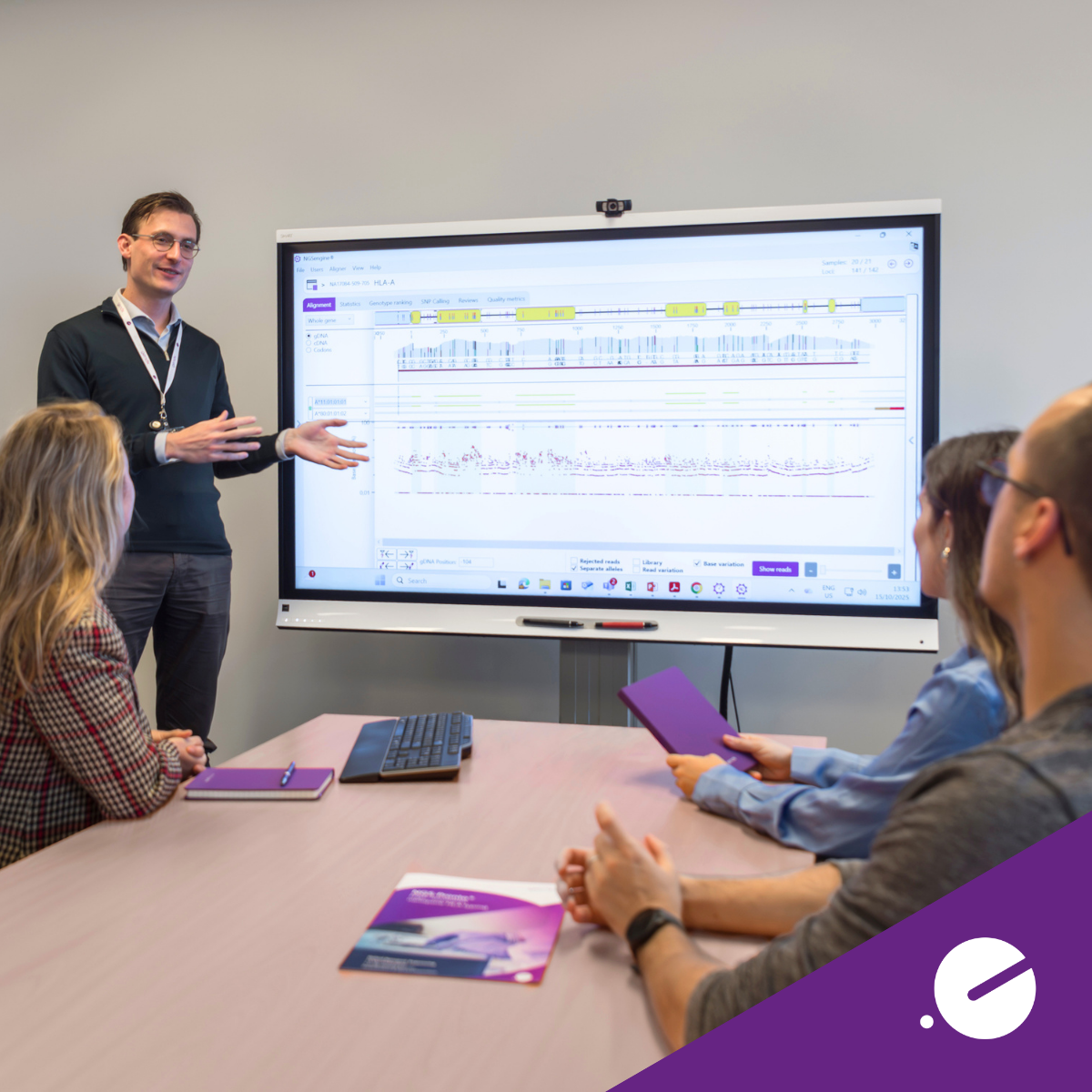
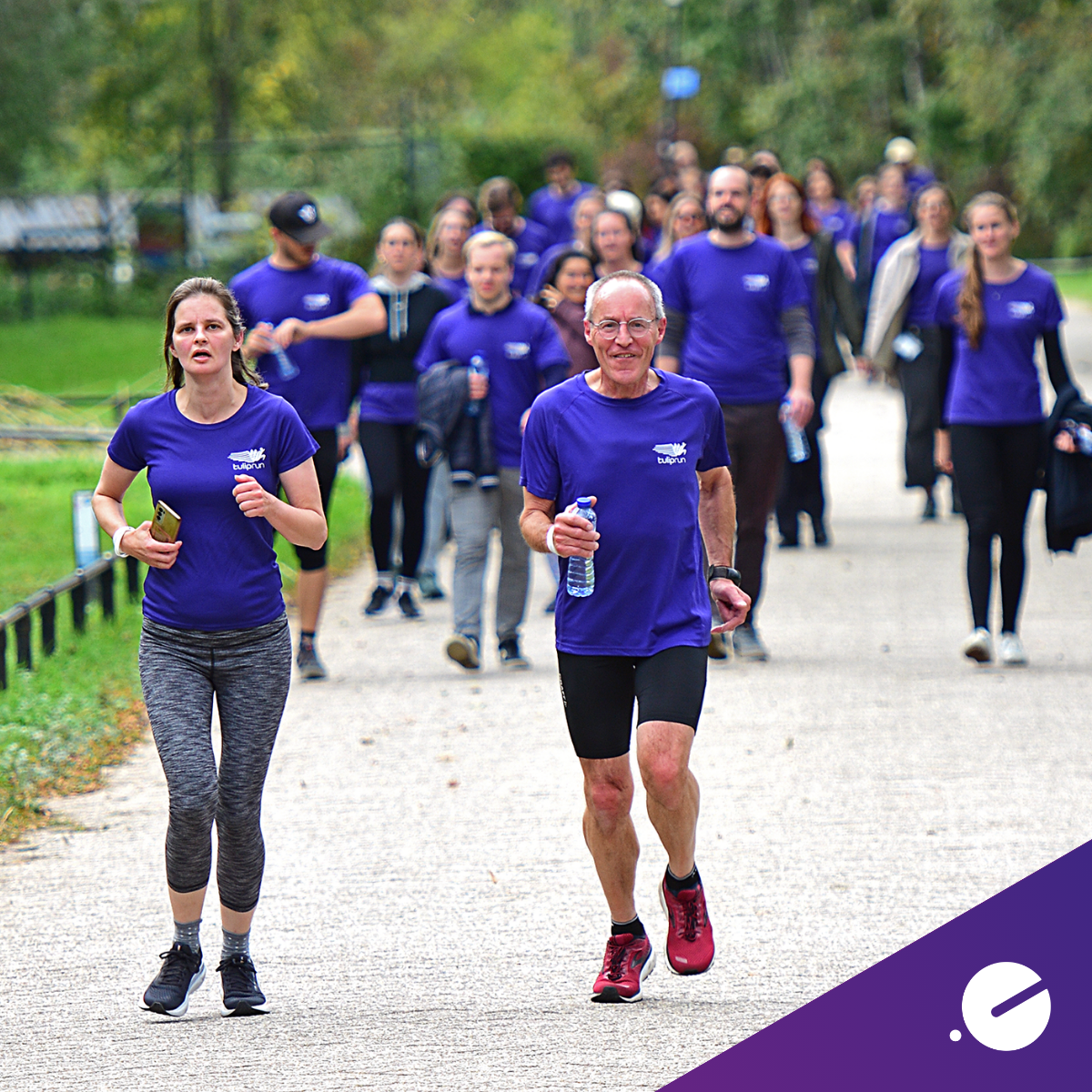
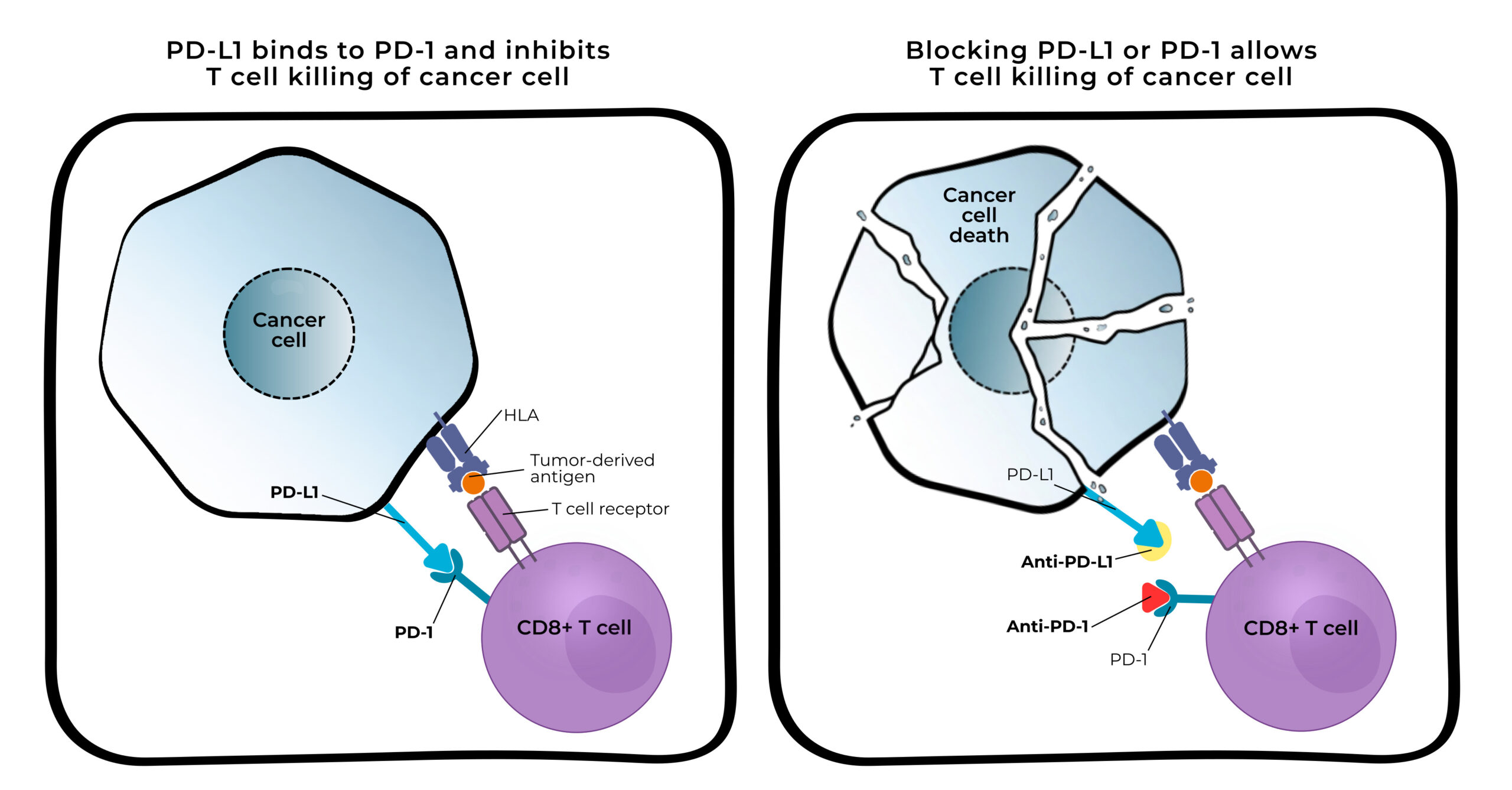
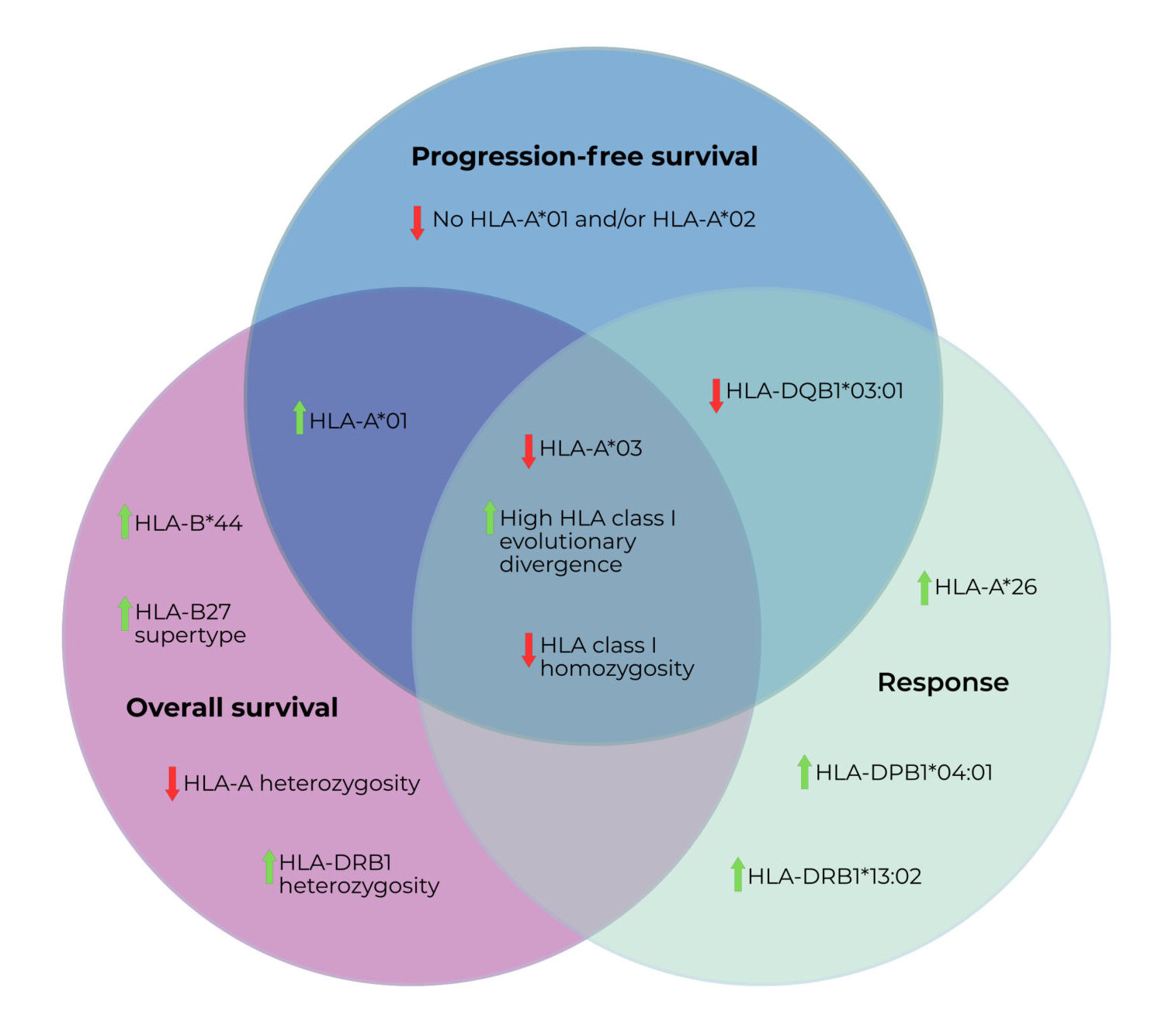
 Cindy holds a PhD in molecular biology. She currently works on both Companion Diagnostic and Research & Development projects in her role as a Technical Writer at GenDx. She is responsible for coordinating and writing documents that are required for, among others, performance studies and regulatory submissions.

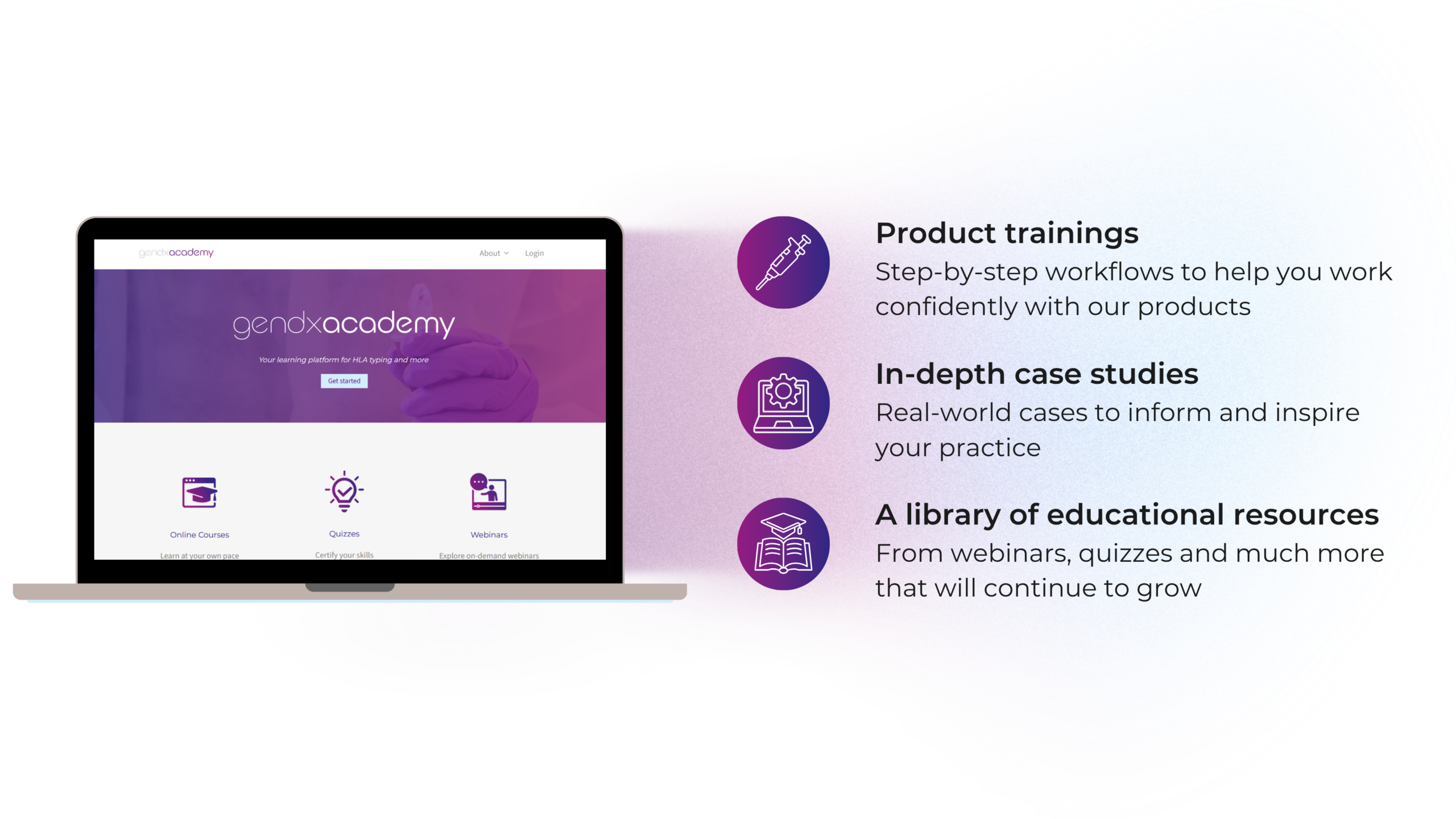

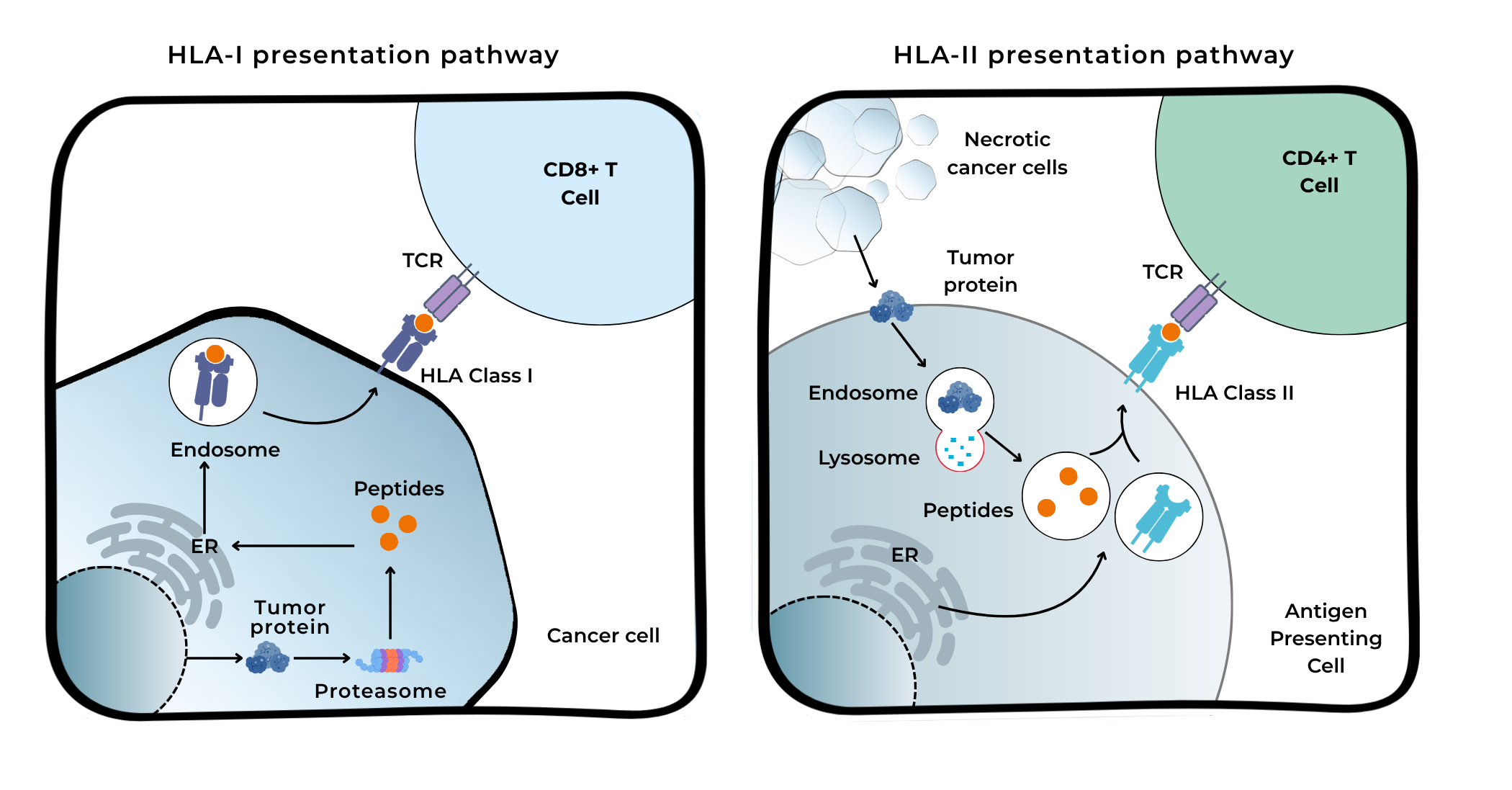
 Stephanie has a strong background in molecular biology and genetics, and has extensive experience across oncology, endocrinology, and nuclear medicine. In her current role at Eurobio Scientific, she is dedicated to advancing innovative therapies and fostering collaboration between science and clinical practice.
 The 39th EFI conference was held in Edinburgh Scotland, and the organizers welcomed the participants from around the world with the famous bagpipe sounds of Scotland. The theme of this year was “From Genes to Grafts: Where Innovation Meets Medicine” and overall, the meeting highlighted the importance of interaction among all fields within immunogenetics and histocompatibility.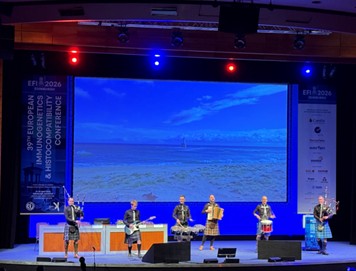
“Our goal is for participants to become experts in HLA typing by providing everything from lab fundamentals to advanced data analysis, all while keeping the ultimate benefit to the patient in mind. We believe that well-trained customers lead to better outcomes, which is why we foster a collaborative environment where people from diverse backgrounds can interact during lab work, case studies, social walks through Utrecht, and coffee breaks. Education doesn’t end when the course finishes; we view this as a long-term partnership supported by our technical support team, monthly webinars, and the upcoming GenDx Academy, ensuring that our in-person training and online resources work together to provide continuous support.”
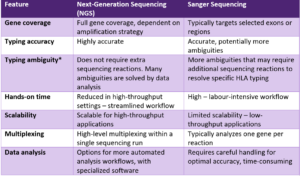
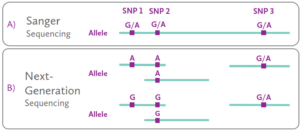
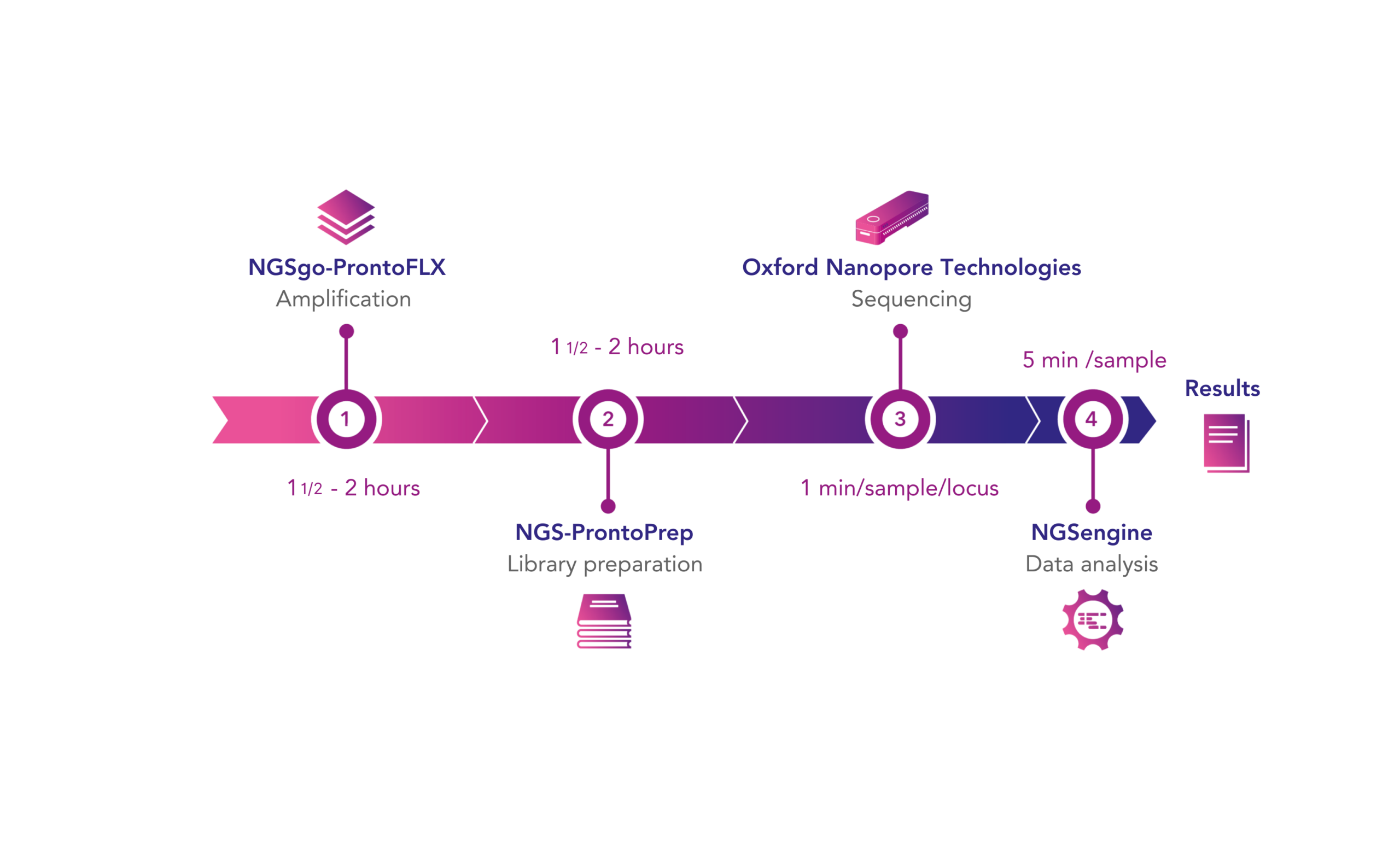
 Mattijs Punt PhD, Project Manager R&D commented: ”After extensive team work and collaboration with our customers, we are proud to announce the launch of NGSgo-ProntoFLX. This product nicely complements our ONT-compatible sequencing portfolio, allowing labs to have the extra flexibility of singleplex or duplex formats. This product is the ideal solution for targeted HLA gene amplification of a specific loci, supporting their full-gene coverage and yielding consistently high-quality results.”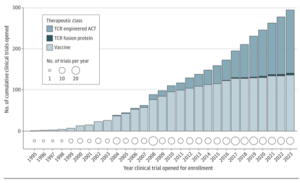
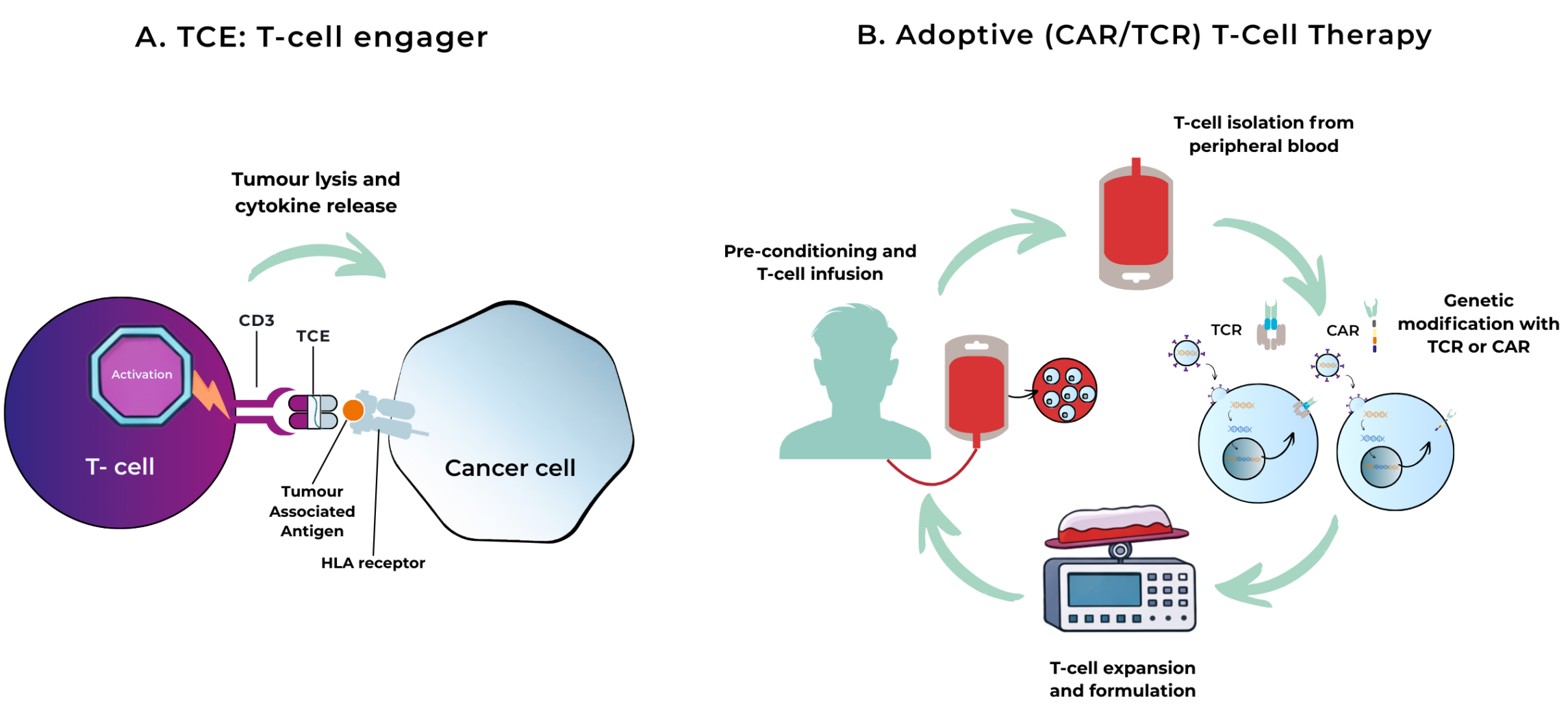

 Eniko R. Toke, PhD Chief Scientific Officer of Treos Bio, commented: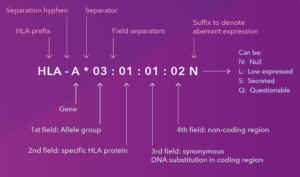
 𝗔𝗯𝗼𝘂𝘁 𝘄𝗲𝗯𝗶𝗻𝗮𝗿
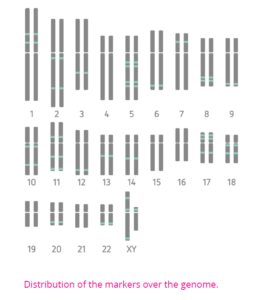
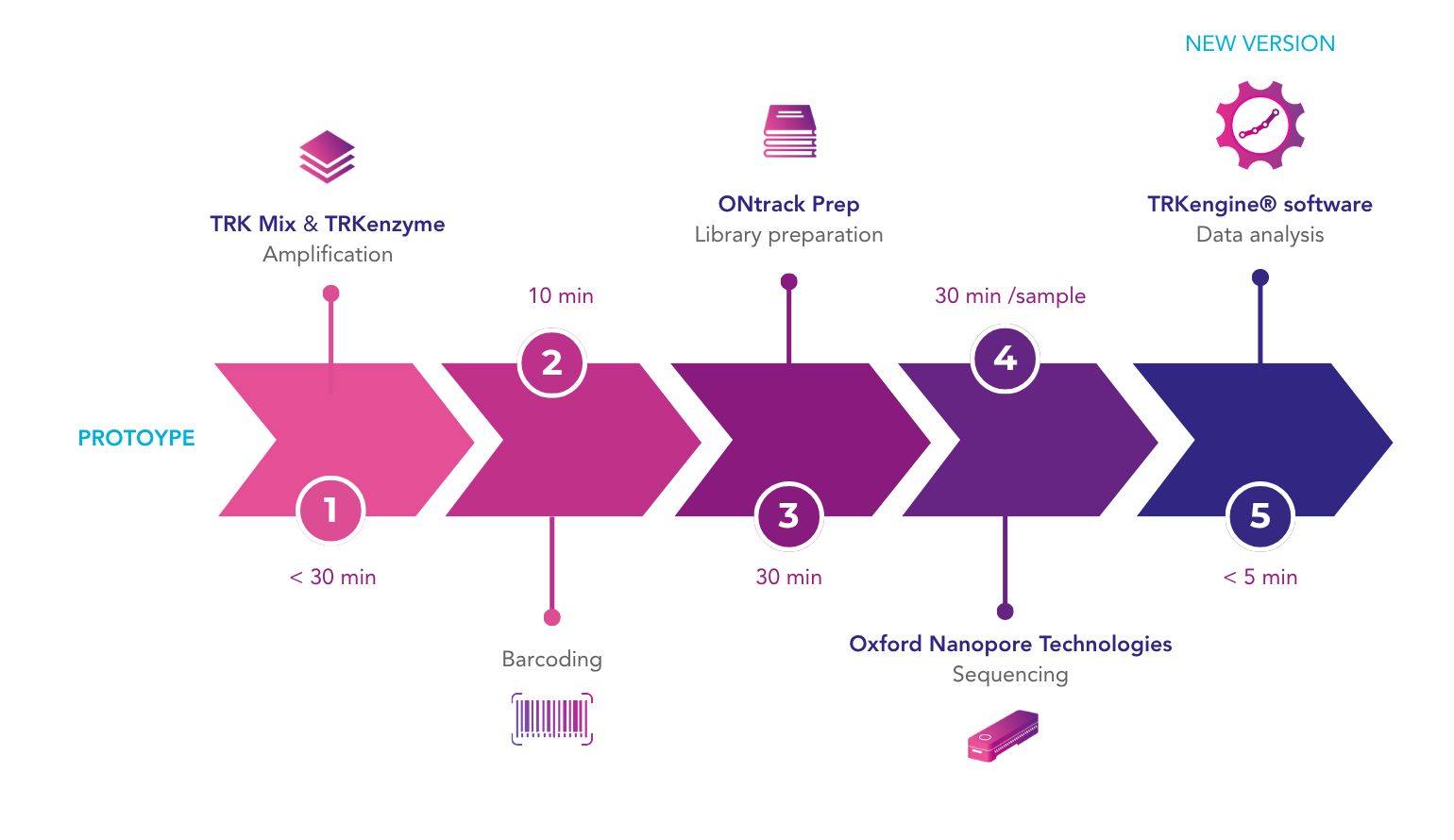
 In our upcoming webinar, Lizzy Russell-Lowe, Clinical Scientist at Manchester Royal Infirmary, will present a study in which HLA typing results obtained with the GenDx NGS-Turbo® kit, using Oxford Nanopore Technologies sequencing, were retrospectively compared with standard intermediate-resolution HLA typing methods. The NGS-Turbo® kit produced concordant typing results for all samples in less than 4 hours, showcasing the potential of rapid high-resolution typing.
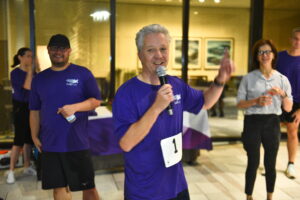
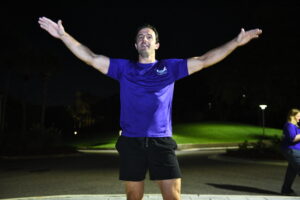
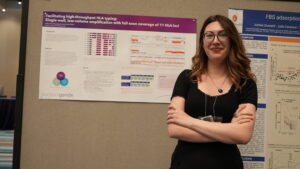
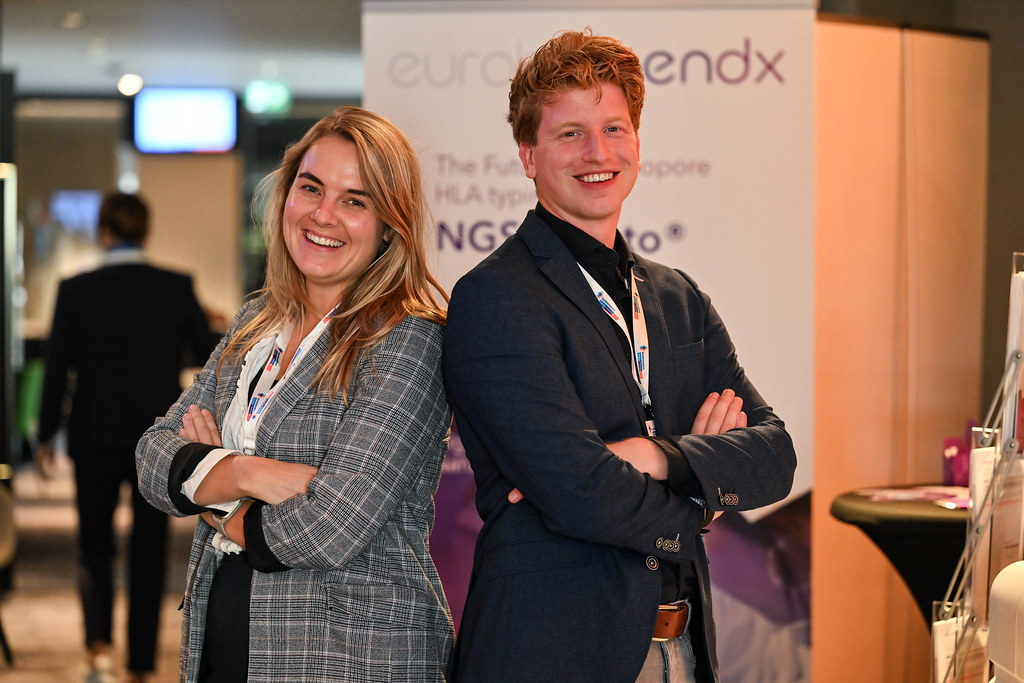
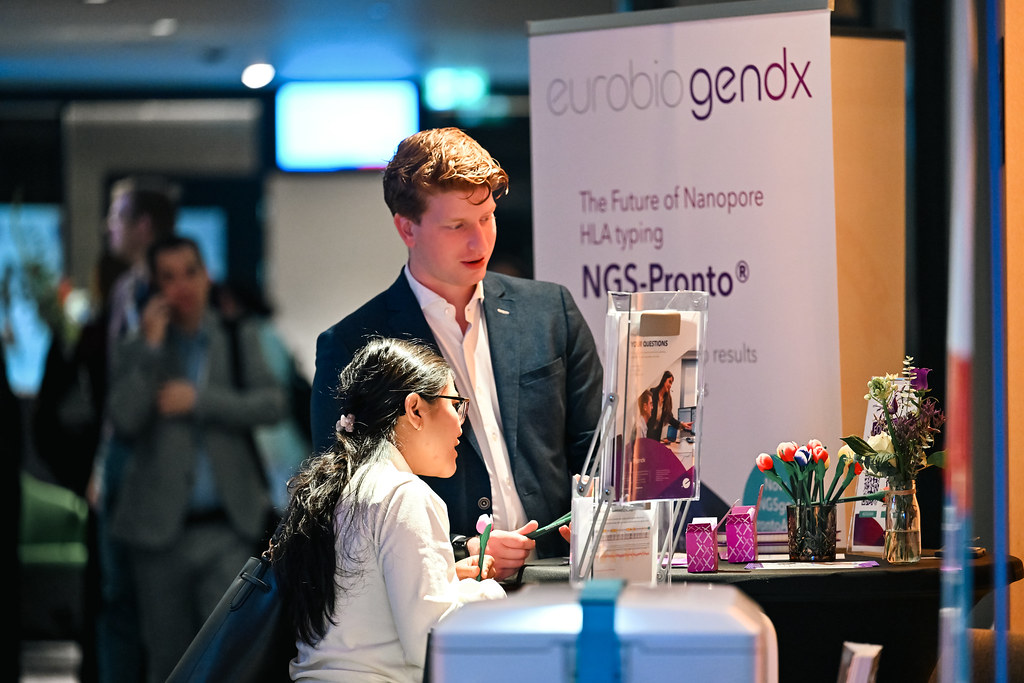
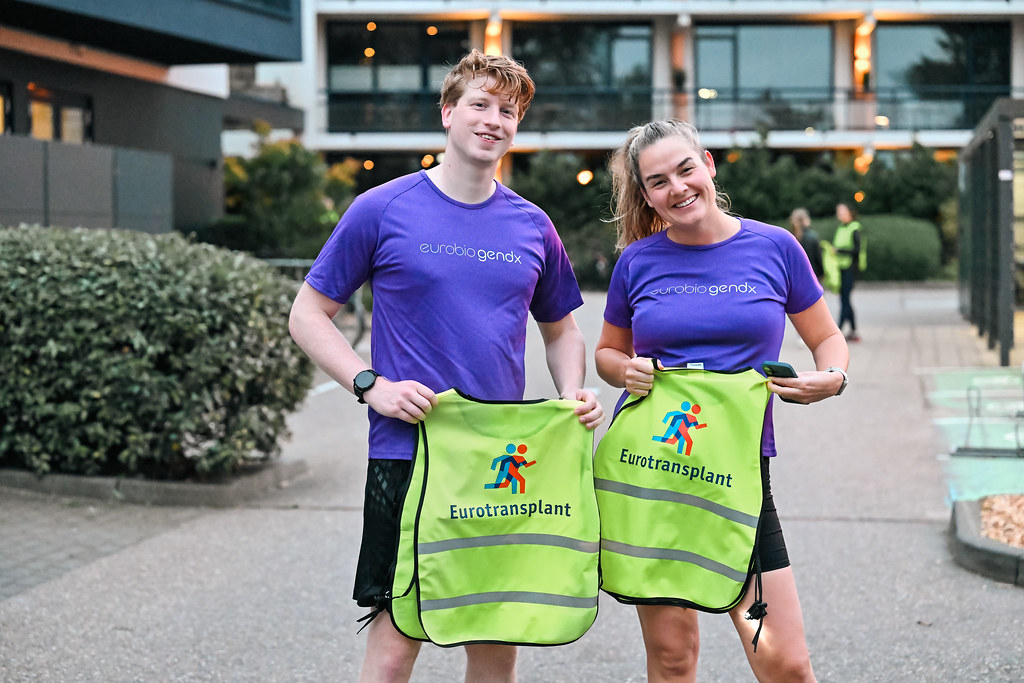


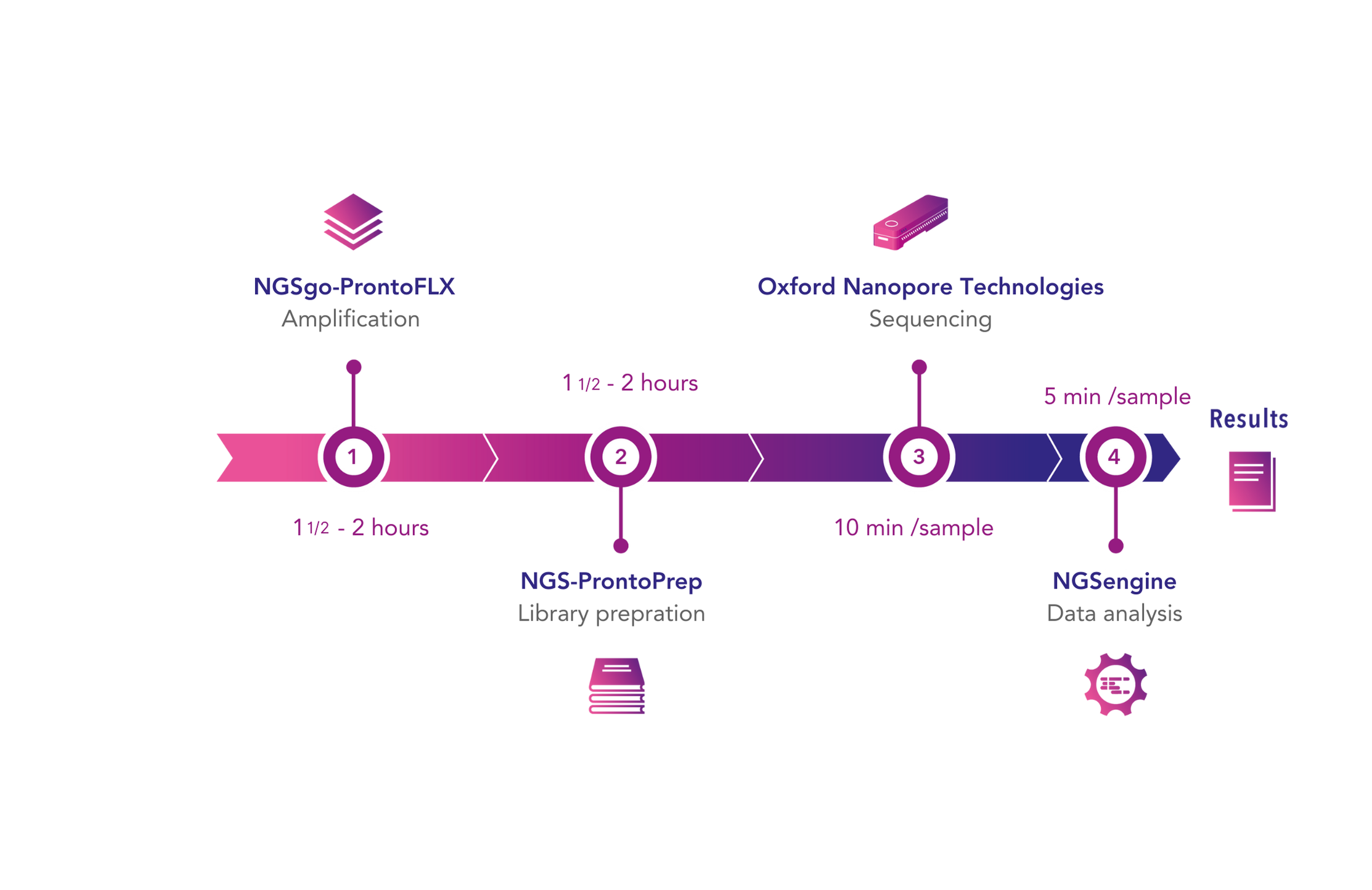
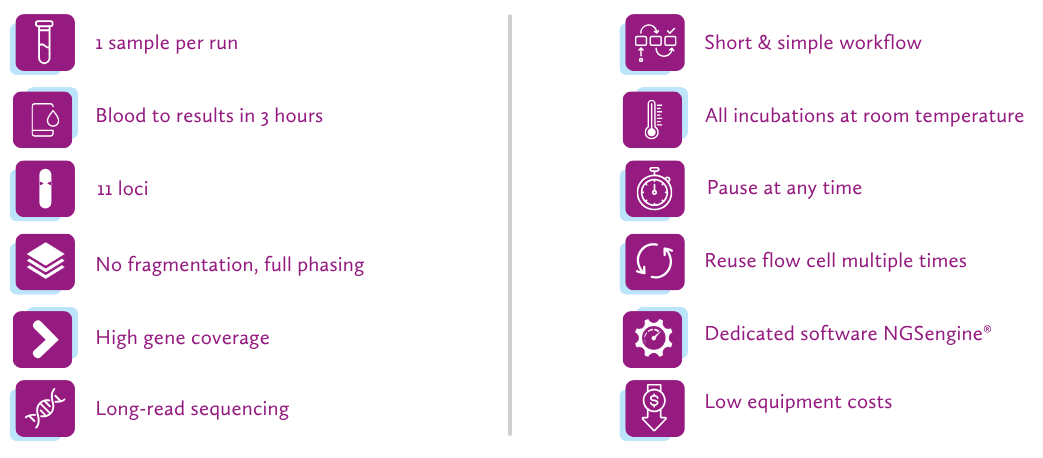
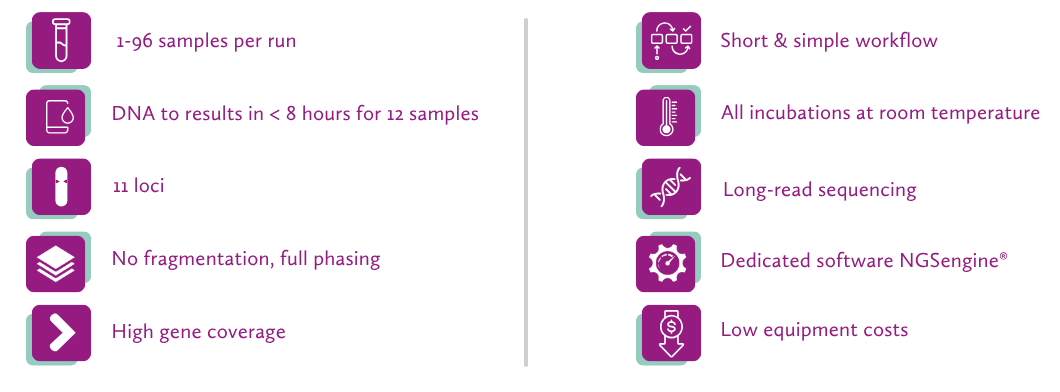


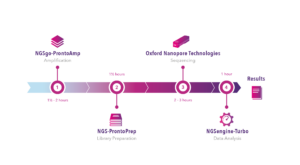

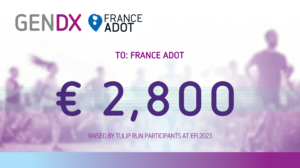 and GenDx doubled the amount, offering ultimately €2800 to ADOT, the French federation for the donation of organs and human tissues. We would like to express our deepest appreciation to all the participants who ran alongside us and contributed to this cause. It’s inspiring to see people come together for a common goal and make a difference in the world!
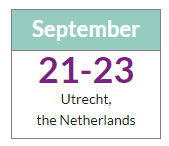 Are you interested in learning about high-resolution HLA typing or expanding your laboratory and data analysis skills? Then our course “Become an expert in NGS HLA typing” is for you! It will take place at the GenDx Headquarters in Utrecht, the Netherlands, in September and includes hands-on laboratory work of the complete NGS HLA workflow and data analysis.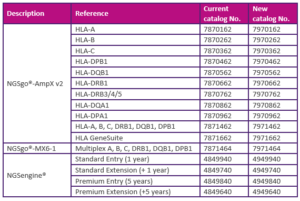
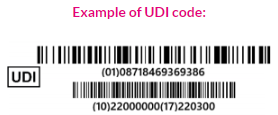
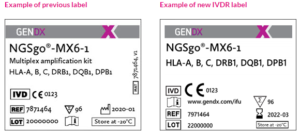
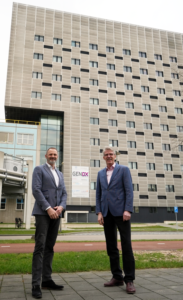
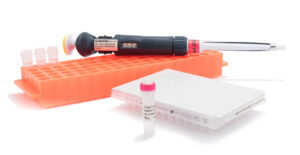



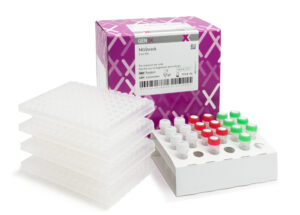
 TRKengine software interprets the informativity of the markers and quantifies the chimerism percentage in post-samples. Its use as data management system allows for insightful chimerism monitoring and trending over time.
 I found it a bit hard not to know the person for which I was doing this. It was someone, somewhere in the world, but that was all I knew; it remains anonymous. At some point during the day, they told me the patient’s gender and age. Also, I learned that the patient was on the heavier side, which meant that he needed more stem cells than the average person. So, it depends on how many stem cells are required for the patient whether the donation takes shorter or longer. For me, it took until 5.00PM.
 Also, what I remember very vividly, is something that happened in 2012, when I was doing extremely unwell. My old soccer team, N.E.C. Nijmegen, played against my favorite soccer team, Feyenoord. There was a gigantic banner, put up by the crowd in the stadium, that said: “Frans, keep fighting” along with a huge painting of my face. It touched me deeply. I got so many messages after that. The original banner is completely weathered by now. To my surprise, the boys who made the original banner gifted me a small replica, on canvas, a short while ago. That was heartwarming.